- Home
- »
- 7 Days Shira Route Kilimanjaro Trek
7 Days Shira Route Kilimanjaro Trek
Embark on a 7 Days Shira Route Kilimanjaro Trek, plus 2 nights hotel accommodation in Arusha or Moshi. Enjoy fewer crowds, panoramic views, and excellent acclimatization on this lesser-travelled trail to Uhuru Peak.
Tanzania
9 Days
Modorate
Trekking/Hiking
5,895 m/19,341 ft/
Jun-Oct, Dec-March
Hotel & Camping
Included
Kilimanjaro Airport
Country
Tanzania
9 Days
Challenging
Trekking/Hiking
5,895m/19,341 ft
Jun-Oct, Dec-March
Hotel /Camping
Included
Tour Highlights
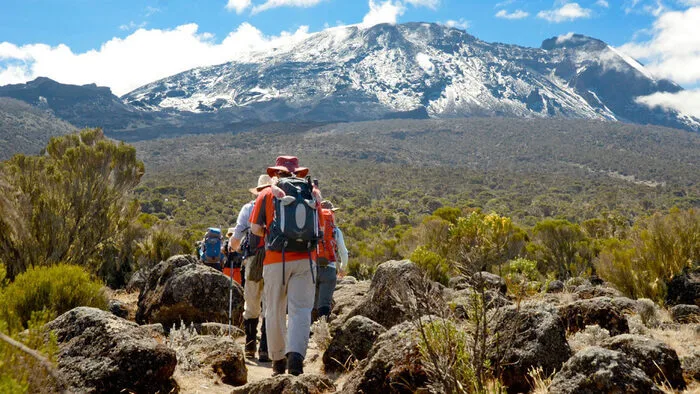
- Expansive Views from Day One – Start high and trek across the stunning Shira Plateau with panoramic views of Kilimanjaro’s glaciers
- Fewer Crowds – Enjoy a quieter trail experience compared to other popular routes like Machame or Marangu.
- Rich Ecological Zones – Traverse through alpine moorlands, volcanic plains, and glacier-covered slopes.
- High-Altitude Start – Ideal for experienced trekkers with previous altitude exposure.
- Successful Summit via Barafu Camp – Reach Uhuru Peak with a well-paced itinerary and expert support.
- xpert-Guided Trek – Climb with Hike Kilimanjaro’s professional guides, porters, and chefs for a safe, well-supported adventure.
- 7-Day Itinerary – Balanced for acclimatization and performance, with scenic camp locations throughout.
7 Days Shira Route Kilimanjaro Trek Overview
The Shira Route is one of the most remote and scenic Kilimanjaro trekking routes, offering a dramatic western approach to the summit of Mount Kilimanjaro. This less-travelled trail begins high on the Shira Plateau, a breathtaking volcanic formation created by the collapse of an ancient crater. Originally developed as a wilderness alternative to the Lemosho Route, the Shira Route delivers an off-the-beaten-path adventure perfect for experienced trekkers seeking solitude and wild landscapes.
Starting from Londorossi Gate, climbers are driven to a high-altitude trailhead at around 3,600 meters, skipping the rainforest zone common to other Kilimanjaro routes. The journey begins in alpine heath and moorland, ascending gradually through rugged volcanic terrain and transitioning into high-altitude desert, before culminating in a summit push to Uhuru Peak (5,895 m), the Roof of Africa.
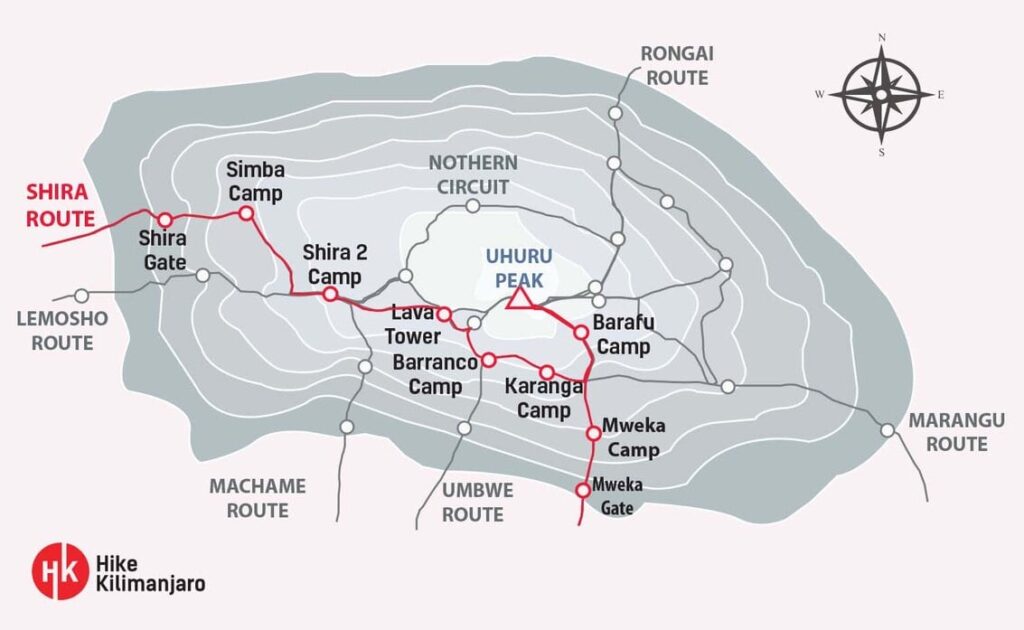
What sets the Shira Route apart is its diverse and isolated trail network, weaving through stunning landmarks such as Shira Cathedral, Moir Hut, Pofu Camp, and Third Cave. These campsites offer breathtaking views of Mount Meru and Kilimanjaro’s lesser-seen northern slopes. Eventually, the route merges with the Northern Circuit, approaches the summit via School Hut, and descends through the popular Mweka Route, offering a well-rounded trekking experience.
The 7-day Shira Route itinerary by Hike Kilimanjaro includes 7 days on the mountain plus 2 hotel nights, providing excellent acclimatization and a strategic pace that improves summit success. Because of its high starting elevation, this route is best suited for climbers with prior altitude experience or strong fitness conditioning. If you’re comparing route options, our detailed guide on Shira vs Lemosho Route helps you understand the pros and cons of each.
The best time to climb the Shira Route is during the dry seasons: January to early March and June to October, when the trail conditions are most favorable. Learn more about Kilimanjaro weather to help you choose the right dates for your trek.
At Hike Kilimanjaro, our 7-day Shira Route trek is guided by WFR-certified professionals and supported by a full team of experienced porters and cooks. Our services include nutritious mountain meals, high-quality gear, private toilet tents, and safety protocols such as oxygen supply and daily health checks. Read about safety on Kilimanjaro to understand how we protect your health every step of the way.
Whether you’re looking for a private Kilimanjaro trek or prefer to join a group climb, we offer flexible departures and competitive Shira Route trek prices for 2025 and 2026. All packages include airport transfers, park fees, meals, and two hotel nights in Arusha.
If you’re flying in from abroad, check out our guide on Getting to Kilimanjaro for flight routes and airport transfer options. And for your peace of mind, we also recommend securing Kilimanjaro travel insurance that covers high-altitude trekking.
For seasoned hikers, photographers, and those seeking a remote Kilimanjaro experience, the Shira Route offers panoramic views, raw beauty, and a quiet trail far from the crowds. Book your Shira Route climb with Hike Kilimanjaro today and let us guide you to the summit safely, confidently, and memorably.
7 Days Shira Route Kilimanjaro Trek Itinerary
Day 01: Arrival in Tanzania
Upon arrival at Kilimanjaro International Airport (JRO), you will be welcomed by a representative from Hike Kilimanjaro Ltd and transferred to Planet Lodge in Arusha or to a similar Lodge. After check-in, you will have a full briefing with your guide, including a gear check to ensure you’re fully prepared for the trek.
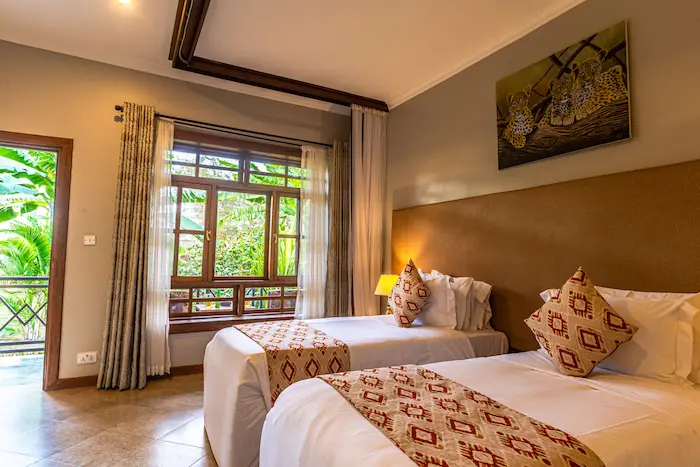
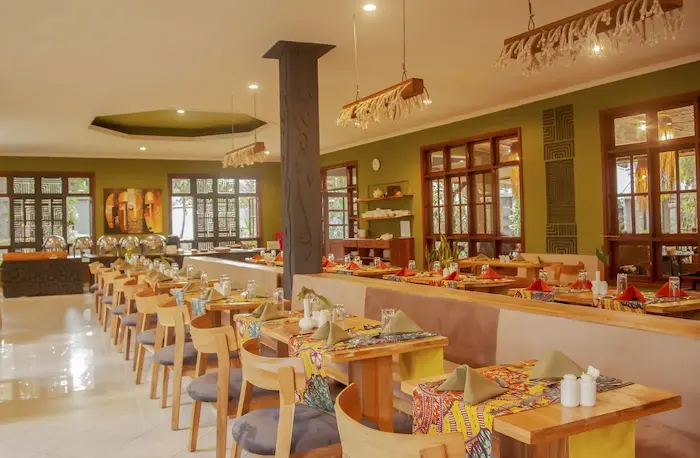
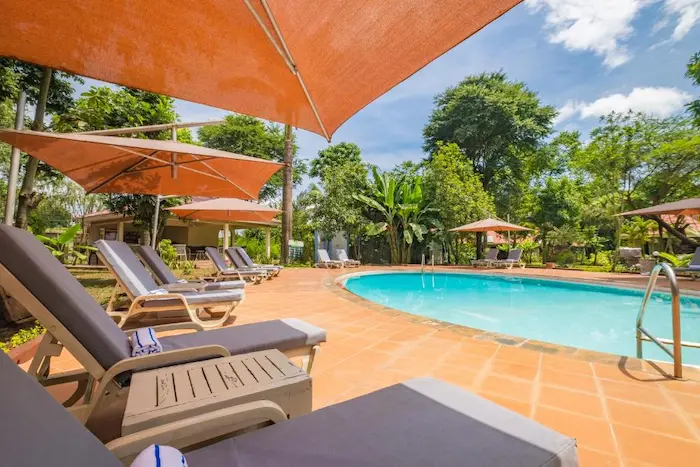
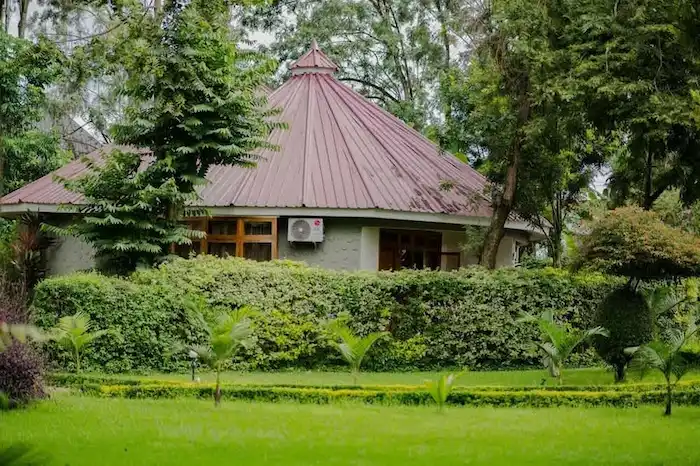
- Overnight at Planet Lodge
- Breakfast included
Note:
The pre-trip briefing will take place at our office if you arrive before 4:00 PM, and at your hotel if you arrive later in the evening. Please ensure you bring a copy of your passport and a readable copy of your travel insurance policy to the meeting. These documents are required for us to obtain your trekking permits and complete necessary documentation for the trek.
Please also note that hotel check-in is from midday (12:00 PM). If your flight arrives early in the morning, kindly let us know in advance. We can arrange a day-use room for you, or, if you prefer, we can organize some short activities to keep you engaged until your check-in time.
Day 2: Arusha – Londorossi Gate – Shira 1 Camp
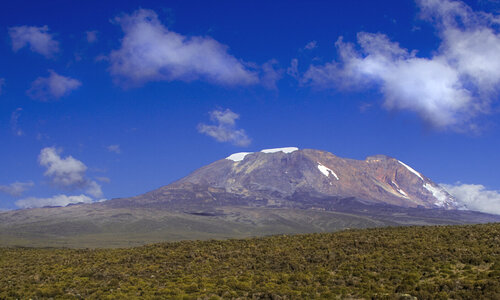
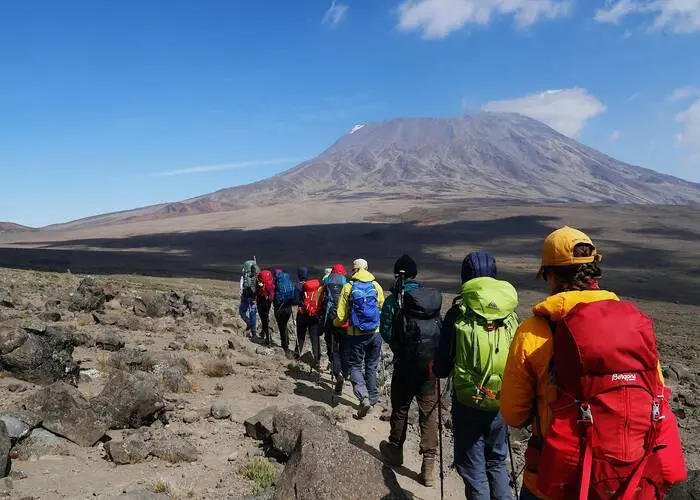
After breakfast, we drive to Londorossi Gate (about 3 hours) to complete the registration. From there, a short transfer by vehicle brings you to the Morum Barrier Gate. The trek begins on the Shira Plateau with sweeping views of Kilimanjaro’s cone. This first hike is relatively gentle and helps you adjust to the high-altitude terrain.
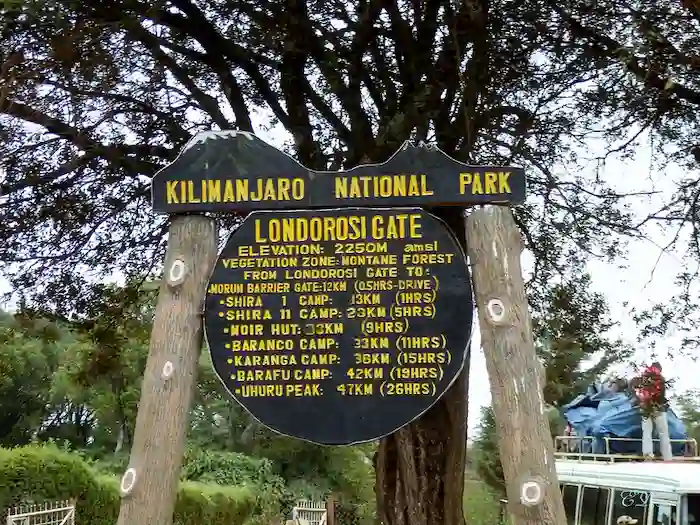
- Hiking Time: 4–5 hours
- Distance: ~7 km
- Elevation: 3,505 m (Shira 1 Camp)
- Overnight: Shira 1 Camp
- Breakfast, Lunch and Dinner included
Day 3: Shira 1 Camp to Moir Hut
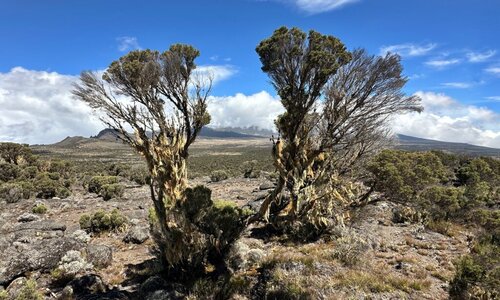
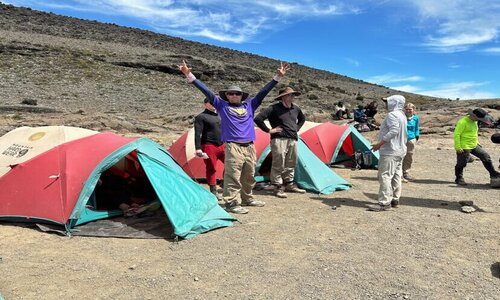
Today’s hike continues across the Shira Plateau with incredible views of Kibo peak. You’ll pass by landmarks like Shira Cathedral and Shira Needle. The trail gradually ascends to Moir Hut, located beneath the Lent Hills. Upon arrival, an optional afternoon acclimatization hike is available for those who feel strong.
- Hiking Time: 6–7 hours
- Distance: ~14 km / 8.7 miles
- Elevation: 4,200 m / 13,780 ft
- Overnight: Moir Hut
- Breakfast, Lunch and Dinner included
Day 4: Moir Hut to Pofu Camp
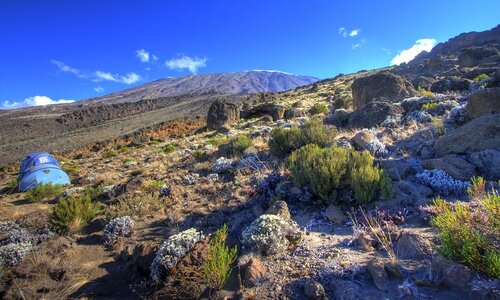
Leaving the main trails behind, you’ll branch off to a remote northern trail through alpine wilderness. The route to Pofu Camp offers solitude and amazing views toward Kenya. It’s a steady climb with gentle ups and downs, ideal for acclimatization. Pofu Camp is rarely used and offers a unique wilderness camping experience.
- Hiking Time: 6–7 hours
- Distance: ~10 km / 6.2 miles
- Elevation: 4,030 m / 13,222 ft
- Overnight at Pofu Camp
- Breakfast, Lunch and Dinner included
Day 5: Pofu Camp to Third Cave Camp
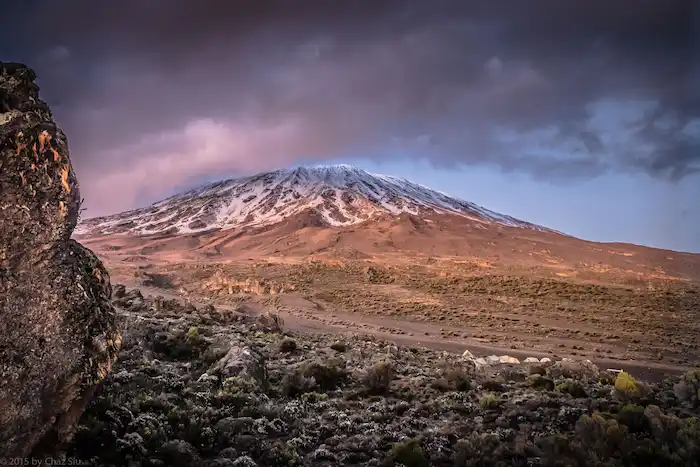
Today is a shorter trek that allows for rest and better acclimatization. You’ll traverse across quiet alpine terrain to reach Third Cave Camp. Located at the foot of Kibo’s eastern face, this area is peaceful, with expansive views and fewer trekkers. This camp prepares you for the final approach to School Hut.
- Hiking Time: 4–5 hours
- Distance: ~7 km / 4.3 miles
- Elevation: 3,900 m / 12,795 ft
- Overnight at Third Cave Camp
- Breakfast, Lunch and Dinner included
Day 6: Third Cave to School Hut
This relatively short but steep day involves ascending the northeast flank of Kilimanjaro to reach School Hut, the base for your summit attempt. After reaching camp, you’ll rest, hydrate, and prepare gear for the early morning summit push. The views of Mawenzi Peak and the saddle are incredible from here.
- Hiking Time: 4–5 hours
- Distance: ~5 km / 3.1 miles
- Elevation: 4,750 m / 15,584 ft
- Overnight at School Hut
- Breakfast, Lunch and Dinner included
Day 7: School Hut – Uhuru Peak – Millennium Camp
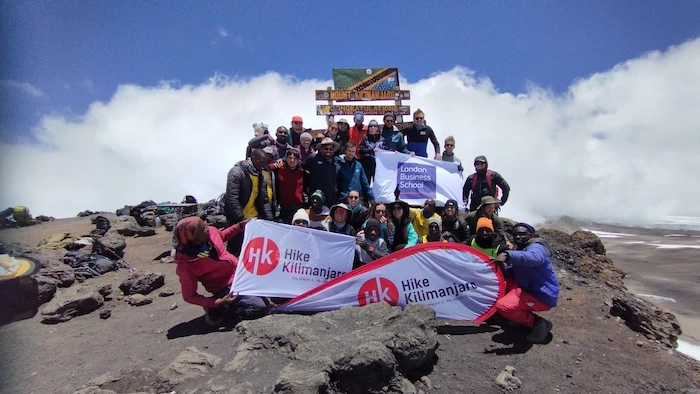
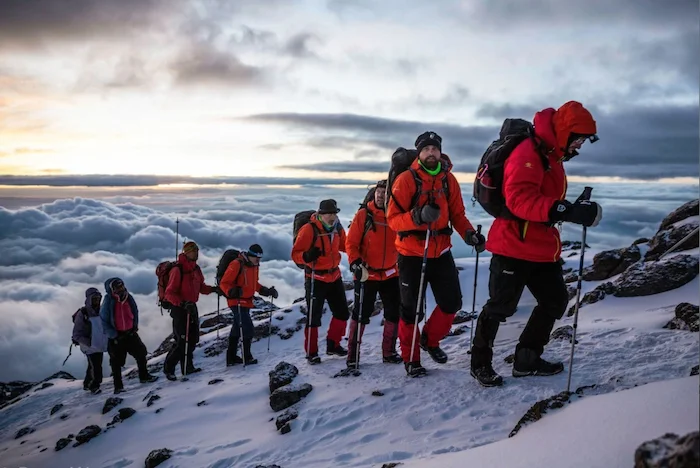
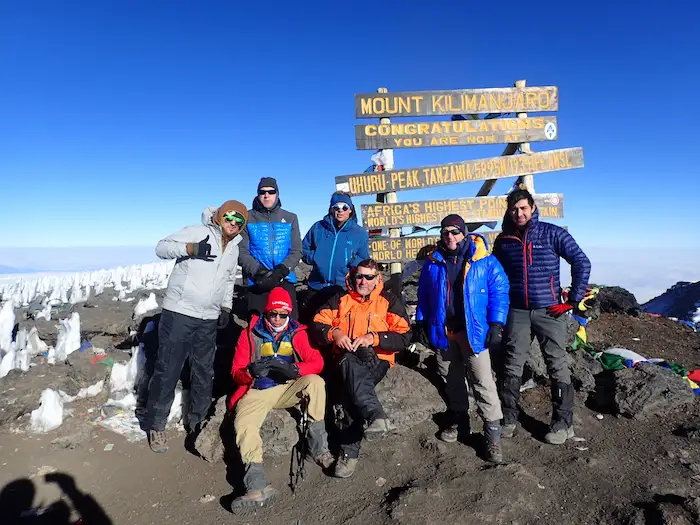
You’ll begin your summit climb around midnight under a star-lit sky. The trail ascends over scree and switchbacks to Gilman’s Point (5,685 m) on the crater rim. From there, it’s a challenging but rewarding trek to Uhuru Peak, the highest point in Africa. After taking in the sunrise and summit celebrations, descend to Barafu and continue to Millennium Camp for your last night on the mountain.
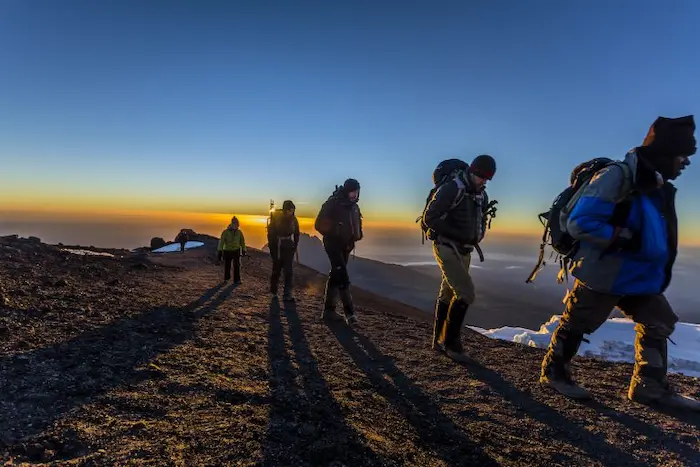
- Hiking Time: 12–15 hours
- Distance: ~15 km / 9.3 miles
- Summit Elevation: 5,895 m / 19,341 ft
- Overnight at Millennium Camp
- Breakfast, Lunch and Dinner included
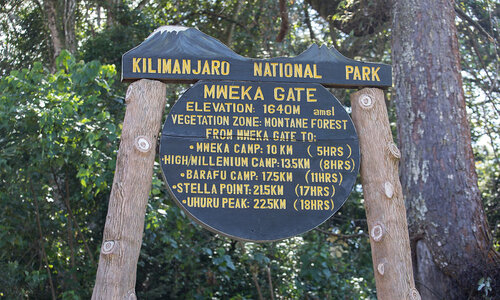
Day 08: Millennium Camp – Mweka Gate (1,640 m) – Arusha
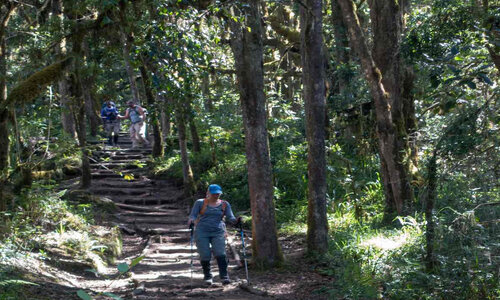
On your final day, you’ll descend through the lush montane rainforest, soaking in the sights and sounds of Kilimanjaro’s vibrant lower slopes. The trail can be muddy and slippery, especially if it has rained, so trekking poles and caution are advised.
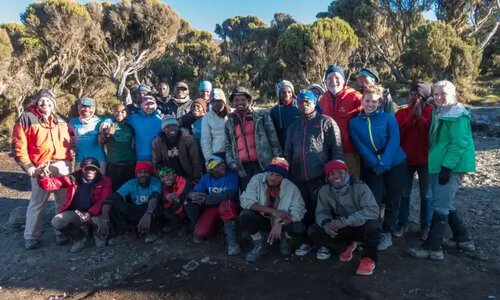
Once you arrive at Mweka Gate, you’ll receive your well-earned summit certificate from the Kilimanjaro National Park authorities, a proud moment marking your successful climb to Uhuru Peak. Your Hike Kilimanjaro driver will be waiting to greet you and transfer you to Mweka Village, where you’ll enjoy a freshly prepared picnic hot lunch en route.
After lunch, continue the return journey to either Arusha or Moshi. This marks the perfect time to reflect on your unforgettable experience and celebrate your accomplishment of conquering Africa’s highest peak.
- Hiking Time: 4–5 hours
- Distance: 10 km
- Elevation Loss: 2,180 m
- Overnight at Planet Lodge or similar
- Breakfast included
Day 09: Departure Day
After breakfast, depending on your flight schedule, you will be transferred to Kilimanjaro International Airport (JRO) for your departure.
- Breakfast included
Note:
Check-out time at the hotel is 10:00 AM. If your flight is scheduled for the evening or night, you may book a day-use room to rest and freshen up before your departure. Please inform us in advance if you would like us to reserve a room for you.
The Shira Route is a remote and less-traveled trail on Mount Kilimanjaro, offering a unique experience for trekkers who crave solitude, sweeping views, and a challenging ascent. Starting from the western side of the mountain, the route begins high on the Shira Plateau, providing immediate access to wide-open alpine vistas and dramatic volcanic landscapes.
Unlike other routes that start in lush rainforest, the Shira Route skips the lower elevation forest zone due to its high starting point, making it best suited for trekkers who are already well-acclimatized or confident in their altitude readiness. From the vast grasslands of Shira 1 Camp, the trail leads through surreal highland deserts, glacial valleys, and ancient lava formations, eventually joining the northern circuit, a quieter and more isolated section of the mountain.
One of the highlights of this version of the Shira Route is the inclusion of Pofu Camp, an off-the-beaten-path site along the northern route that enhances acclimatization and showcases rarely seen terrain. The trail then continues through the remote Third Cave and ascends toward School Hut, the final base before a summit push to Uhuru Peak via Gilman’s Point.
For those seeking a less commercialized trek with dramatic scenery, fewer crowds, and a touch of adventure, the Shira Route via Pofu Camp offers an exceptional way to experience Kilimanjaro. With experienced guides from Hike Kilimanjaro, this route transforms into a rewarding expedition, ideal for climbers looking for a different, scenic, and memorable way to reach the Roof of Africa.
The best airport to fly into is Kilimanjaro International Airport (JRO). Located about 45 km from Moshi and 50 km from Arusha, it is the most convenient airport for climbers.
Hike Kilimanjaro Ltd can arrange airport transfers from Kilimanjaro International Airport to your hotel and back. Please note that transfers are available at an additional cost—just let us know your flight details in advance, and we’ll handle the rest.
Alternative Airports
If you cannot find a flight directly to Kilimanjaro International Airport, you may also consider flying to:
- Nairobi International Airport (NBO) – Kenya
- Julius Nyerere International Airport (DAR) – Dar es Salaam, Tanzania
From these airports, you can connect to Kilimanjaro by either:
- A connecting flight to Kilimanjaro International Airport (JRO)
- A shuttle bus or private transfer to Moshi or Arusha, where your trek begins
For convenience, Nairobi is closer to Kilimanjaro than Dar es Salaam, and often offers more international flight options at competitive prices.
International Flights to Kilimanjaro Airport (JRO)
Several major airlines offer direct flights to Kilimanjaro International Airport:
| Airline | Route |
|---|---|
| KLM | Amsterdam → Kilimanjaro |
| Condor | Frankfurt → Kilimanjaro |
| Turkish Airlines | Istanbul → Kilimanjaro |
| Kenya Airways | Nairobi → Kilimanjaro |
| Precision Air | Nairobi → Kilimanjaro |
| Qatar Airways | Doha → Kilimanjaro |
| Ethiopian Airlines | Addis Ababa → Kilimanjaro |
| RwandAir | Kigali → Kilimanjaro |
If direct flights are not available from your location, you can also book flights via Dar es Salaam or Nairobi, then connect to Kilimanjaro.
Domestic Flights within Tanzania
For flights within Tanzania, the following airlines operate regular domestic services:
- Precision Air
- Air Tanzania
- Fly540
- Regional Air
- ZanAir
- Coastal Aviation
- Air Excel
Bus Transfers
We can also arrange shuttle bus services between Nairobi, Arusha, and Moshi. These are available daily for an additional fee.
Sample Shuttle Schedule (subject to change):
| Route | Departure | Arrival |
|---|---|---|
| Nairobi → Arusha | 08:00 | 14:00 |
| Nairobi → Arusha | 14:00 | 18:30 |
| Nairobi → Moshi | 08:00 | 15:30 |
| Moshi → Nairobi | 06:00 | 14:00 |
| Arusha → Nairobi | 08:00 | 14:00 |
| Moshi → Nairobi | 10:30 | 18:30 |
| Arusha → Nairobi | 14:00 | 18:30 |
Private Transfers
For added comfort and flexibility, private transfers can also be arranged between:
- Nairobi ↔ Arusha / Moshi
- Dar es Salaam ↔ Arusha / Moshi
- Mombasa ↔ Arusha / Moshi
Private transfers are available at an extra cost. Contact us for current rates and arrangements.
Price For 7 Days Shira Route Kilimanjaro Trek
Number of Pax
Price Per Person
2
USD 2,740 pp
3
USD 2,630 pp
4 to 7
USD 2,568 pp
8 to 12
USD 2,420 pp
Inquire Now
Looking for personalized experience? We organize privately guided journey which is mainly designed to fit your taste and interest. Please fill out the form below to get started.
Price Includes
- Airport transfers (to and from Kilimanjaro International Airport)
- Two nights hotel accommodation in Arusha (one night before and one night after the trek, with breakfast included)
- All park entry fees, camping fees, and rescue fees
- Professional, experienced mountain guides (Wilderness First Responder certified)
- Assistant guides, cooks, and porters to support you throughout the trek
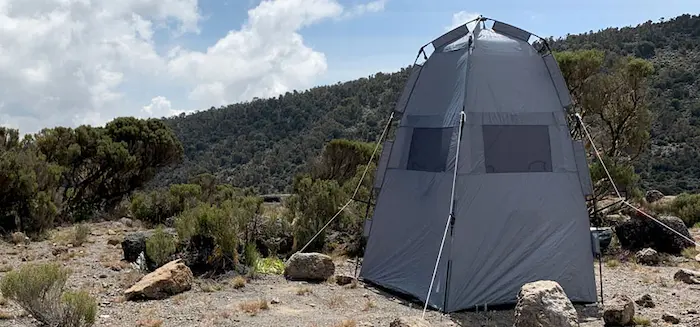
- Private portable toilet for group use on the mountain
- Emergency oxygen cylinder carried on the trek for safety purposes
- Pulse oximeter monitoring (daily health checks)
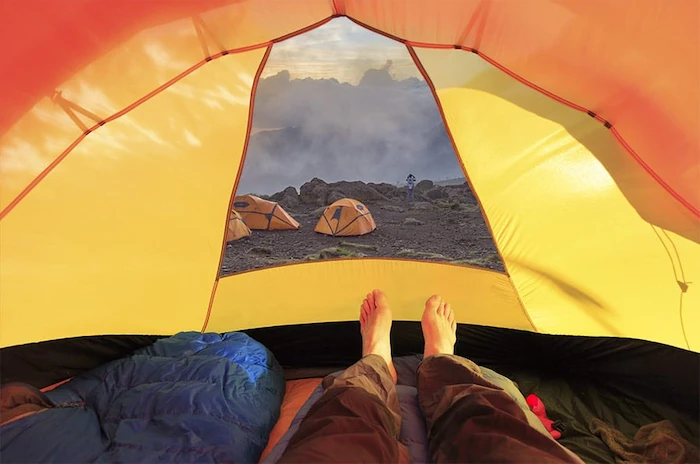
- Comfortable, high-quality, four-season mountain tents (shared by two climbers)
- Sleeping mattress
- All meals during the trek (breakfast, lunch, dinner), freshly prepared by our mountain chef
- Drinking water (filtered and treated)
- Table and chairs for meals at camp
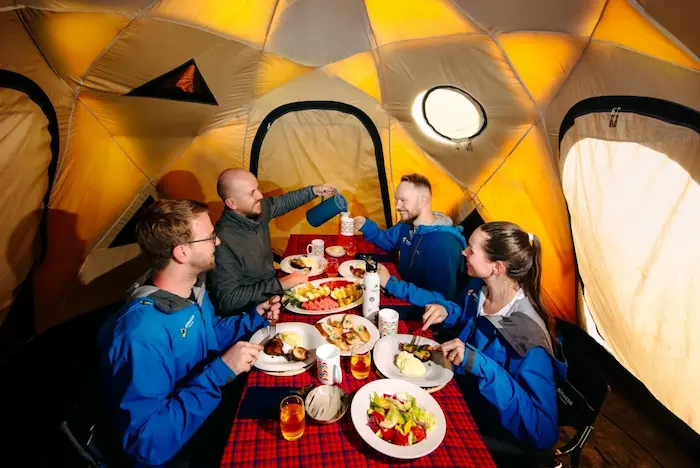
- Mess tent for dining and shelter
- Summit certificate from Kilimanjaro National Park
- Fair wages for guides, cooks, and porters (following Kilimanjaro Porter Assistance Project guidelines)
- Transfer to and from the Kilimanjaro National Park gate
- Pre-climb briefing with your guide
Price Excludes
- International airfare to and from Tanzania
- Tanzania entry visa fees
- Travel insurance (mandatory and must cover high-altitude trekking and emergency evacuation)
- Tips for guides, porters, and cooks (recommended guidelines will be provided)
- Personal trekking gear (sleeping bags, trekking poles, etc.)
- Lunch and dinner in Arusha (except breakfast at the hotel)
- Additional hotel nights beyond those included in the itinerary (if required)
- Personal expenses (such as souvenirs, snacks, and laundry)
- Beverages other than those served with meals (soft drinks, alcohol)
- Optional activities or excursions before or after your trek
- Half-day room use if your departure flight is late and you wish to rest after check-out (available at extra cost)
- Portable power banks or solar chargers for electronic devices
Packing List for 7 Days Shira Route Kilimanjaro Trek
To ensure a safe and comfortable trek with Hike Kilimanjaro Ltd, we recommend the following essential gear and equipment. Proper preparation is key to enjoying your climb and reaching the summit successfully.
- Sun hat or cap (wide-brimmed or with neck cover is ideal)
- Knitted hat / Beanie (for warmth at higher altitudes)
- Scarf / Neck Gaiter / Buff (highly recommended for dust, wind, and cold)
- Headlamp (with extra batteries – essential for summit night)
- Sunglasses (with high UV protection and polarized lenses)
Torso (Upper Body Clothing)
- Technical fabric base layers (1 light for warmer days, 1 heavier for cold conditions; synthetic or merino wool preferred)
- Technical trekking shirts – 2 short-sleeve and 2 long-sleeve (breathable, moisture-wicking)
- Fleece jacket or pullover (for insulation during cool evenings and mornings)
- Insulated down or synthetic jacket (optional but highly recommended for extra warmth on summit night)
- Waterproof and windproof shell jacket (with hood; Gore-Tex or similar material to protect against rain and wind)
Lower Body (Legwear)
- Technical fabric base layer leggings (lightweight for warmer days, heavier thermal for cold nights)
- Hiking pants (2 pairs; lightweight, quick-dry, and breathable)
- Comfortable pants (for relaxing at camp and sleeping, such as joggers or fleece pants)
- Waterproof and windproof shell pants (to wear over hiking pants in rain or high winds; essential)
- Hiking shorts (optional – for the lower, warmer sections of the mountain)
Hands
- Lightweight liner gloves (wool or technical fabric; good for mild conditions and as a base layer)
- Insulated outer gloves or mittens (waterproof and windproof; essential for summit night and cold weather)
Feet
- Warm socks (wool or technical fabric; essential for cold nights and summit day)
- Hiking socks (several pairs; moisture-wicking and breathable)
- Liner socks (optional, such as silk or synthetic, to help prevent blisters)
- Trekking/Hiking boots (waterproof, insulated, and well broken-in)
- Ice Cleats / Micro Spikes (recommended from December to February) – helpful for icy or slippery conditions on the higher slopes.
- Casual shoes (for wearing around camp after trekking, such as sneakers or slip-ons)
- Gaiters (lightweight for dust or heavy-duty for snow during the wet season)
- Tip: Bring enough socks to change regularly, keeping your feet dry and blister-free.
- Note: Our guides carry a basic first aid kit and essential medications during the trek. However, we highly recommend bringing your own personal kit with any specific items you may need.)
- Sunscreen (SPF 30 or higher; essential for high-altitude sun exposure)
- Lip balm (with SPF protection)
- Antiseptic ointment (for cuts, blisters, or minor wounds)
- Cough syrup (dry air and cold temperatures can irritate the throat)
- Mosquito repellent (for lower elevations or time spent before/after the trek)
- Tip: Always consult with your doctor before traveling to ensure you have the right medications for high-altitude trekking.
Other Essentials
- Passport (valid, with necessary visas)
- Reusable water bottles (2 bottles of 1L each are recommended)
- Hydration bladder (like a CamelBak, 2–3L capacity, useful for summit night)
- Water purification tablets or UV water purifier (optional, as filtered water is provided, but good as backup)
- Toiletry kit (toothbrush, toothpaste, wet wipes, hand sanitizer, etc.)
- Quick-dry towel (small or medium size)
- High-protein snacks (such as energy bars, trail mix, or nuts).
- Waterproof/dry bags (to protect important documents, electronics, and money)
- Airline tickets (Please leave a copy of your flight details with our office for coordination and in case of schedule changes.)
- Tip: Always keep important documents in sealed, waterproof pouches to protect them from rain and moisture.
Optional
Once you are in Tanzania, you have the option to rent all necessary gear from us or purchase supplies and hiking equipment if you have spare time before your trek. Our guide will be happy to assist you in finding and buying any required gear.
Important Luggage and Gear Information
Each participant is allowed one duffel bag, which should weigh between 10 to 14 kg.
This bag will be carried by our porters throughout the trek.
You will also need to carry your own daypack (with a waterproof cover) for daily essentials such as cash, important documents, water bottle or hydration bladder, camera, snacks, energy bars, toiletries, sunscreen, extra clothing layers, and other personal items.
Any extra luggage (non-trekking items) can be safely stored at your hotel in Arusha or Moshi during the trek.
Gear Rentals:
Down jacket with hood (mandatory above 4,000m): Available to rent from Hike Kilimanjaro Ltd. for USD 30
Sleeping bag (suitable for high-altitude cold conditions): Available to rent from Hike Kilimanjaro. for USD 30
Note: All essential mountain gear is available for rent.
Shira Route hike Map
These full and frank reviews are from travelers who have traveled with Hike Kilimanjaro previously. The reviews and experiences shown here are from reputable travel websites like TripAdvisor, Google, Facebook, and Trust Pilot, etc.
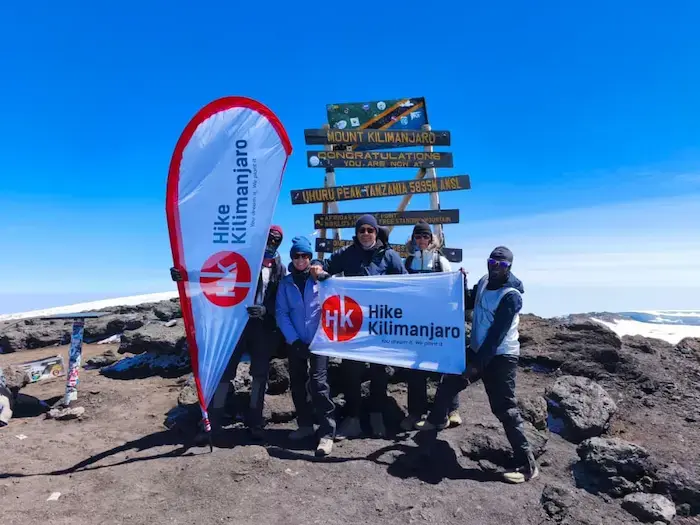
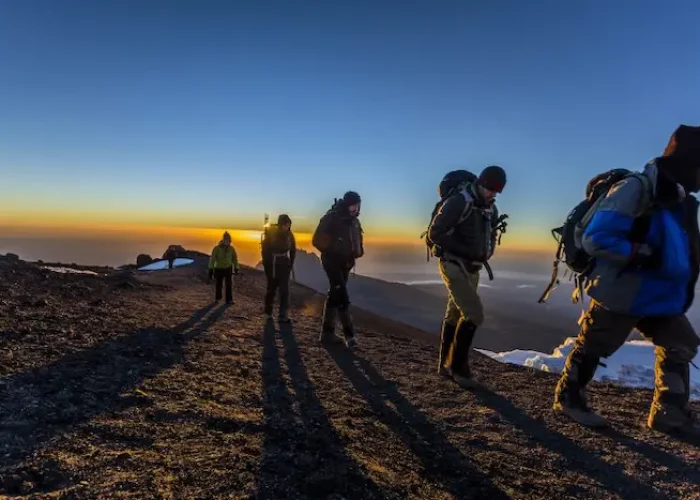
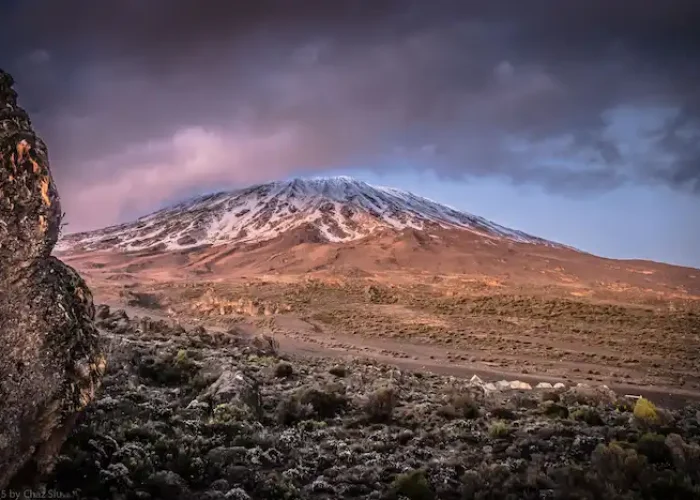
Trip Photos
What makes this trip
different?
Hike Kilimanjaro
Company
- At Hike Kilimanjaro, we are committed to supporting the communities surrounding our trekking routes and wildlife safaris. We believe that tourism should be a force for good, and we actively give back to those who help make your adventure possible.
- A portion of our profits goes toward providing food, clothing, books, pens, and other essentials to orphaned children, helping improve access to education and basic needs. By traveling with us, you directly contribute to creating a positive impact in local lives.
Sustainability and Responsible Tourism
- Of the few Travelife Certified companies in Tanzania, Hike Kilimanjaro is one. We respect the procedures for sustainable tourism. Our excursions are socially and environmentally conscious, leaving the lowest possible impact in the Tanzanians.
- 100% of Hike Kilimanjaro Company's staff members are natives of the regions where our trips are organized. It is one of our sustainable and responsible efforts to help local communities, support small businesses, and promote regional culture and way of life.
Related Information
Expect early mornings, long walking hours, and rapid changes in weather and terrain. This 7-day mountain itinerary is designed with optimal acclimatization in mind, especially with overnight stops at Pofu Camp and Third Cave, followed by the summit push from School Hut. You’ll ascend through moorland, alpine desert, and eventually to the glacial zone near the summit.
Though physically demanding, the Shira Route is manageable for fit hikers prepared for altitude. With proper gear, a strong mindset, and our experienced mountain crew, you’ll have everything you need to reach Africa’s rooftop.
What is the Shira Route on Kilimanjaro?
The Shira Route is a remote western approach that begins on the Shira Plateau, connecting with the Northern Circuit and offering panoramic views and fewer crowds compared to Machame or Lemosho.
How long is the Shira Route trek?
The standard itinerary includes 7 days on the mountain, plus 2 hotel nights in Arusha, totalling a 9-day adventure.
👉 See full itinerary here
What is the distance of the Shira Route?
Approximately 62 kilometers (39 miles) from Shira Gate to Mweka Gate.
👉 Compare Kilimanjaro route distances
What is the elevation gain on the Shira Route?
You’ll start at 3,500 m and ascend to 5,895 m at Uhuru Peak, with a steady altitude profile designed to support acclimatization.
Is the Shira Route difficult?
It’s moderately difficult due to its high starting elevation, best for hikers with previous high-altitude experience.
Does the Shira Route offer good acclimatization?
Yes. The 7-day Shira itinerary provides an excellent acclimatization profile, with carefully placed camps and rest points.
What is unique about this Shira itinerary?
It passes through Pofu Camp and Third Cave, far from crowded areas ideal for nature lovers.
👉 Explore what makes the Shira Route special
How busy is the Shira Route compared to others?
It’s far less crowded than the Machame or Marangu routes, making it ideal for solitude and nature lovers
Where does the Shira Route begin?
The trek starts at Shira Gate (3,500 m) after a scenic drive from Londorossi Gate.
👉 How to get to Kilimanjaro trailheads
What are the key campsites on the 7-day Shira Route?
Key campsites on the 7-day Shira Route:
- Shira 1
- Moir Hut
- Pofu Camp
- Third Cave
- School Hut
- Millennium Camp
- Mweka Gate (exit)
Do I need technical climbing skills for the Shira Route?
No, just solid fitness, mental determination, and a complete packing list for the conditions.
Is the Shira Route suitable for beginners?
It’s better for experienced trekkers due to the altitude gain and remote star
What gear do I need for the Shira Route?
A warm sleeping bag, layered clothing, hiking boots, trekking poles, headlamp, and waterproof gear are essential
Is the Shira Route suitable for first-time trekkers?
It’s better suited for experienced hikers due to the high starting point and challenging acclimatization needs
Kilimanjaro Shira Route Hike Cost for 2025 and 2026
The following table outlines the cost of Shira Route Trek for 2025 and 2026, based on different group sizes.
Number of Pax
Price Per Person
2
USD 2,740 pp
3
USD 2,630 pp
4 to 6
USD 2,568 pp
7 to 10
USD 2,420 pp
For groups of 11+, contact us on WhatsApp for a special discount.
What is the success rate on the Shira Route?
The success rate for the 9-day Shira Route is around 85% to 90%, depending on acclimatization and weather
What’s the best time of year to hike the Shira Route?
The best months are January to March and June to October, with minimal rain and clear skies.
👉 Read our guide on best months to climb Kilimanjaro
What is the accommodation like on the mountain?
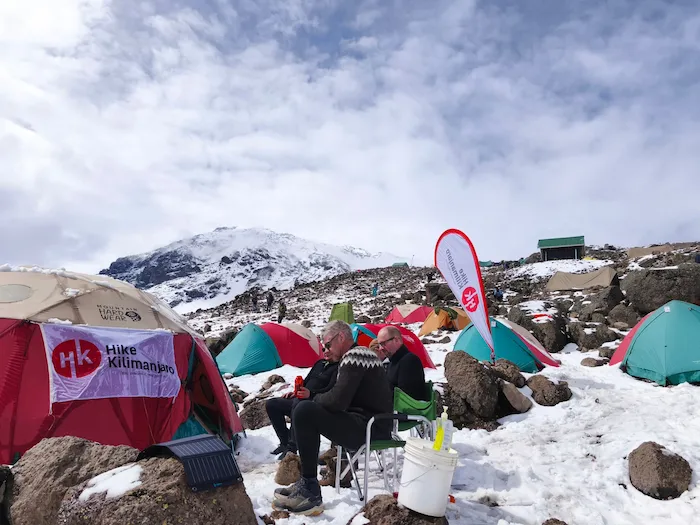
You’ll sleep in double-occupancy tents with thick sleeping pads, and dine in a shared mess tent
Are private toilet tents provided?
Yes, we provide private toilet tents for your comfort.
How cold does it get on the Shira Route?
Expect -10°C (14°F) or lower near the summit.
👉 See full temperature chart for Kilimanjaro
What about food on the mountain?
Fresh meals daily, including soups, carbs, protein, and fruit, cooked by our expert mountain chefs.
Can I charge devices on the Shira Route?
Bring portable power banks; solar charging is possible during the day.
👉 Read our blog on charging gadgets
What wildlife can I see on the Shira Route?
You may spot colobus monkeys, antelope, birds of prey, and small mammals in lower zones.
Is altitude sickness common on the Shira Route?
Yes, due to the high start, but our guides monitor symptoms daily with pulse oximeters and provide oxygen if needed.
👉 Altitude tips for Kilimanjaro
What is included in the Shira Route package?
Airport transfers, 2 hotel nights in Arusha, park fees, meals, tents, guide/porters, and mountain logistics.
What airport do I fly into for the Shira Route?
You’ll fly into Kilimanjaro International Airport (JRO) and be transferred to your hotel in Arusha
Can I rent trekking gear in Arusha?
Yes, we offer gear rental services, including boots, jackets, and trekking poles.
How many guides and porters will support me?
On average, one lead guide, assistant guides, and 2–3 porters per climber are assigned
What safety measures are taken on the trek?
We provide oxygen tanks, emergency evacuation plans, and conduct daily health checks
Can I join a group for the Shira Route?
You can choose a private trek or join a group departure.
Is tipping required on the Shira Route?
Yes, tipping is customary. We provide a tipping guideline to ensure fair distribution.
👉 Read our tipping guide
How do I book the Shira Route with Hike Kilimanjaro?
Visit our website, complete the booking form, or contact us directly to customize your climb
Why Book with Hike Kilimanjaro?
Hike Kilimanjaro is a locally owned and globally trusted operator, known for:
- Certified, experienced mountain guides
- High safety standards and summit success
- Ethical treatment of porters
- Transparent pricing with no hidden fees
- Tailor-made itineraries and expert service
We don’t just guide climbs, we empower communities, protect Kilimanjaro’s future, and deliver journeys that transform lives.
Similar Kilimanjaro Treks
USD 2,420 / person
Speak to an Expert

Maxon

- WhatsApp +255 692 406 444