


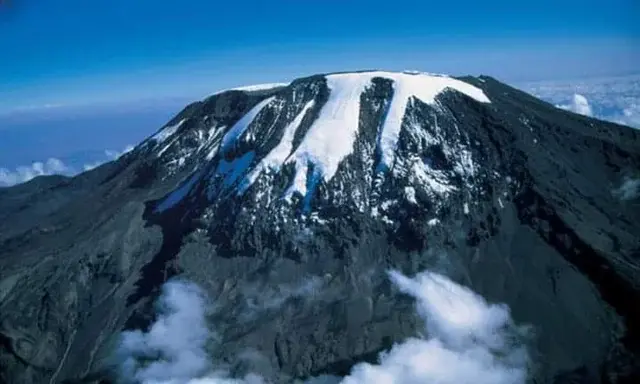



Understanding Kilimanjaro’s weather is essential for planning a safe and successful climb. As Africa’s tallest mountain, Kilimanjaro rises to 5,895 meters (19,341 feet), cutting through multiple climate zones from lush rainforest to glacial summit. This dramatic elevation change creates diverse weather conditions that trekkers must be prepared for.
In this comprehensive guide, we break down the weather by seasons, climate zones, and trekking months, so you know exactly what to expect and how to prepare.
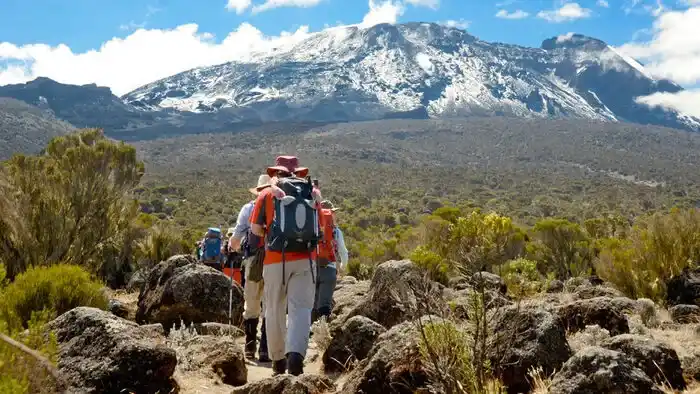
Mount Kilimanjaro’s trek passes through five ecological zones, each with distinct weather characteristics.
1. Cultivation Zone (800m–1,800m)
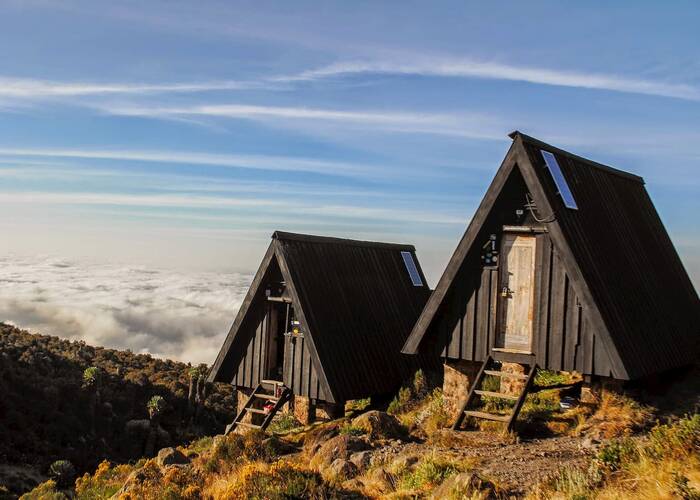
2. Rainforest Zone (1,800m–2,800m)
3. Moorland Zone (2,800m–4,000m)
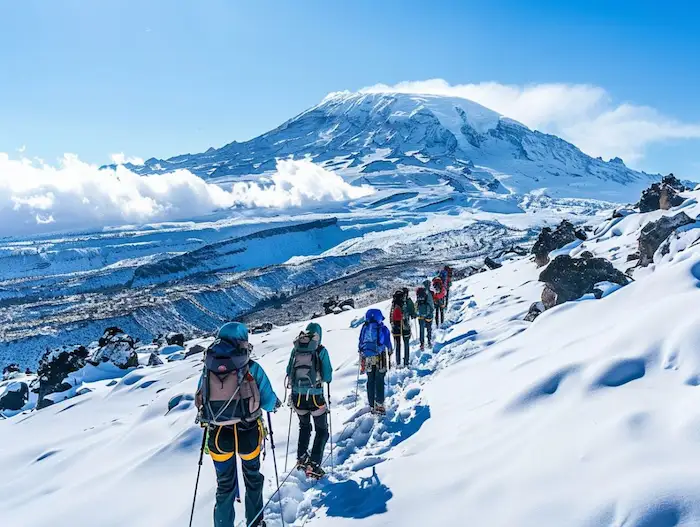
4. Alpine Desert Zone (4,000m–5,000m)
5. Arctic Summit Zone (Above 5,000m)
✅ Best Months to Climb
January – Mid-March
June – October
👉 Compare Kilimanjaro Routes for Each Season
⚠️ Rainy Months (Less Ideal)
Late March – May (Long Rains)
November (Short Rains)
| Month | Conditions | Crowds | Best Routes |
|---|---|---|---|
| January | Warm, dry mornings | Medium | Machame, Lemosho |
| February | Great weather, good visibility | Low | Shira, Rongai |
| March | Rain increases late month | Low | Marangu (huts) |
| April | Wettest month | Very Low | Avoid unless experienced |
| May | Trails drying up | Low | Marangu |
| June | Cool, dry, very clear | Medium | All routes |
| July | Cold mornings, dry | High | Lemosho, Northern Circuit |
| August | Stable and dry | High | Rongai, Machame |
| September | Excellent summit conditions | High | Any |
| October | Warmer, clear mornings | Medium | Lemosho, Marangu |
| November | Short rains | Low | Rongai, Marangu |
| December | Dry early, rain possible late | Medium | Shira, Machame |
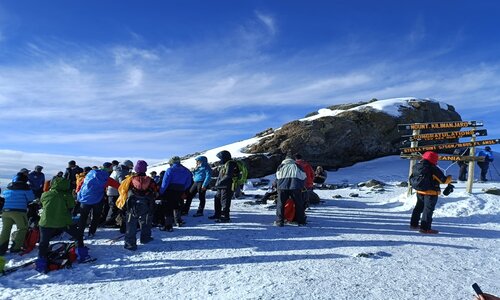
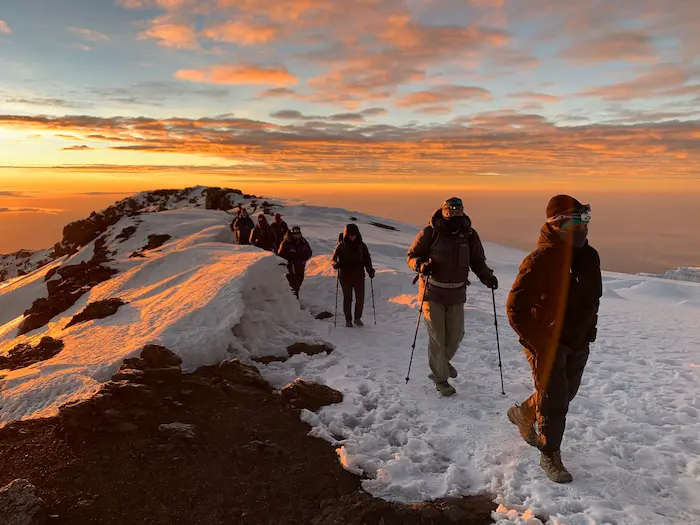
At the summit, expect nighttime temperatures to drop between -10°C to -20°C (14°F to -4°F), especially at Barafu Camp, Kibo Hut, and Uhuru Peak.
Despite the daytime sun, wind chill, and altitude make the summit is intensely cold, so proper layering is crucial.
Unpredictable weather on Kilimanjaro can influence altitude sickness risks. Sudden storms or cold exposure can weaken your body and slow adaptation.
Our itineraries include acclimatization days, pulse oximeter checks, and daily health monitoring to maximize safety.
Layer your clothing: Start warm in the morning and remove layers during ascent
Invest in waterproof gear: A poncho or rain jacket is essential in rainforest zones
Use sunscreen: Even on cloudy days, UV exposure is high
Keep electronics insulated: Batteries drain faster in the cold
Stay hydrated: Dry mountain air increases water loss
At Hike Kilimanjaro, we’ve guided hundreds of successful climbs across all seasons. Our team monitors daily mountain conditions and prepares you for every possible scenario rain, snow, sun, or fog.
Whether you’re climbing in January sunshine or facing the misty rainforest in April, we’ll help you pack, plan, and persevere.
👉 Contact Us for Personalized Trek Advice
👉 Get a Custom Quote Based on Your Preferred Month
Based on 100+ reviews
Based on 60+ reviews
At Hike Kilimanjaro, you can tailor your trip to your preferences. Our sample itineraries are customizable, and our specialists work with you to create your dream trip!
These full and frank reviews are from travelers who have traveled with Hike Kilimanjaro previously. The reviews and experiences shown here are from reputable travel websites like TripAdvisor, Google, Facebook, and Trust Pilot, etc.
Need assistance with your booking? Our friendly Tanzania-based expert team is here to help. Feel free to reach out with any travel-related questions or concerns.






© Copyright Hike Kilimanjaro. All rights reserved.