1. Home
  2. »
  3. Tanzania Budget Safari

Tanzania Budget Safari 3 Days: Affordable Wildlife Tour

Recommended by 99% of travelers

USD USD 617 pp / person

See Group Booking Discount

No. of People

Price per person

Enjoy Tanzania Budget Safari 3 Days with exciting game drives, Big Five sightings, expert guides, and unforgettable national park experiences.

Country

Tanzania

Duration

3 Days

Difficulty

Leisurely

Activity

Game Drive

Max. altitude

2,300 m (7,546 ft)

Best season

Jun-Oct, Dec-March

Accomodation

Camping

Meals

Included

Start/End Point

Arusha Town

Country

Tanzania

Duration

3 Days

Difficulty

Leisurely

Activity

Game Drive

Max. altitude

2,300 m(7,546 ft)

Best season

Jun-Oct, Dec-March

Accomodation

Camping

Meals

Included

Tour Highlights

Tanzania Budget Safari 3 Days Overview

Experience the raw beauty of Tanzania’s iconic wildlife parks on this affordable 3-day camping safari designed for adventurers on a budget. This journey takes you to Tarangire National Park, Lake Manyara, and the world-famous Ngorongoro Crater, offering unforgettable game drives, breathtaking landscapes, and close-up encounters with Africa’s Big Five.

Perfect for travelers looking to maximize their wildlife experience without compromising quality, this budget-friendly safari features comfortable public campsites, shared safari vehicles, and expert local guides from Hike Kilimanjaro. Whether you’re a solo traveler, a couple, or a small group, this tour delivers unbeatable value and an authentic taste of Tanzania’s wild side

Tanzania Budget Safari 3 Days Itinerary

Day 1: Arusha to Tarangire National Park

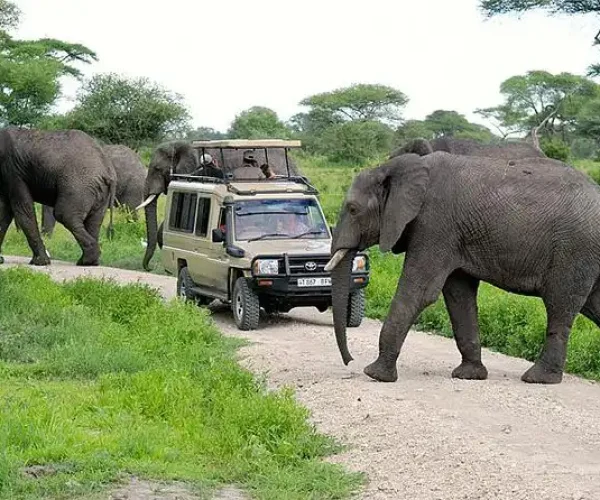
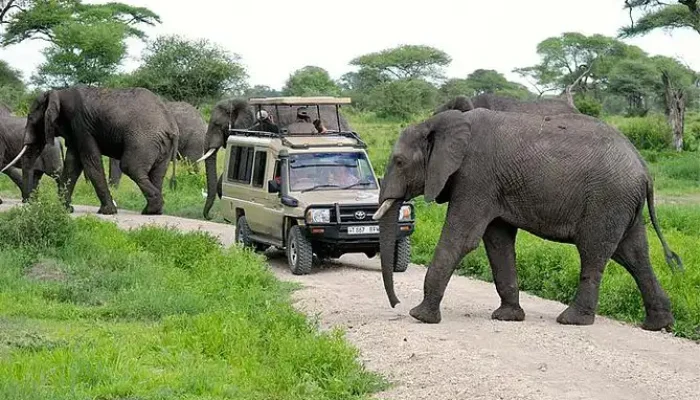
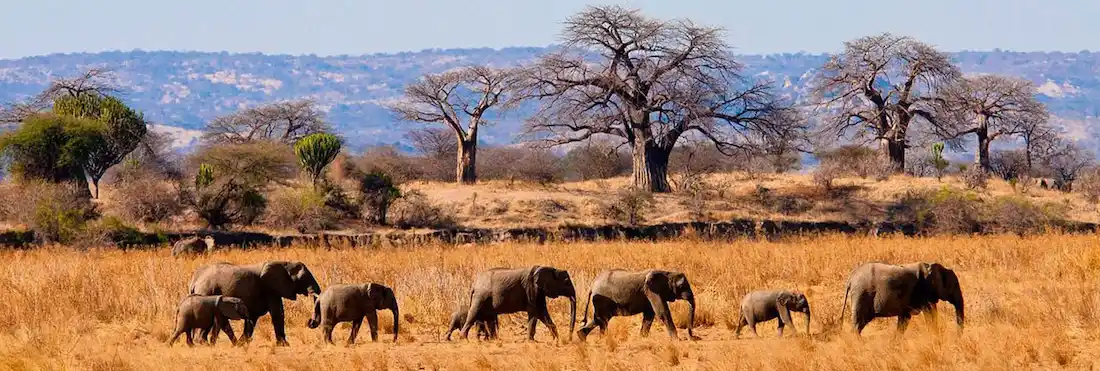
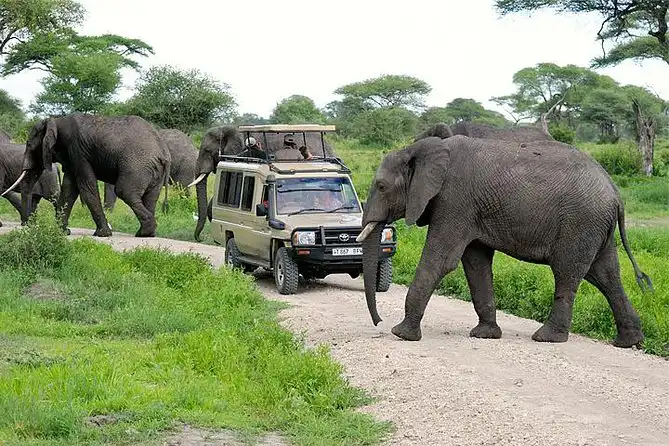
After breakfast in Arusha, your safari adventure begins with a scenic 2-hour drive to Tarangire National Park. Known for its ancient baobab trees and vast elephant herds, Tarangire offers classic African safari scenery and exceptional wildlife viewing. Enjoy a full-day game drive with a picnic lunch in the park. In the late afternoon, proceed to your public campsite near Mto wa Mbu for dinner and overnight under the stars.

Accommodation

Mto wa Mbu Public campsite

Meals: Lunch & Dinner

Note:
Your pre-safari briefing will be conducted at your hotel. If you arrive before 5:00 PM on the day prior to your safari, the briefing will take place that evening. If you arrive later, your guide will meet you for the briefing on the morning of your safari before departure. This ensures you’re fully prepared and have the opportunity to ask any last-minute questions.

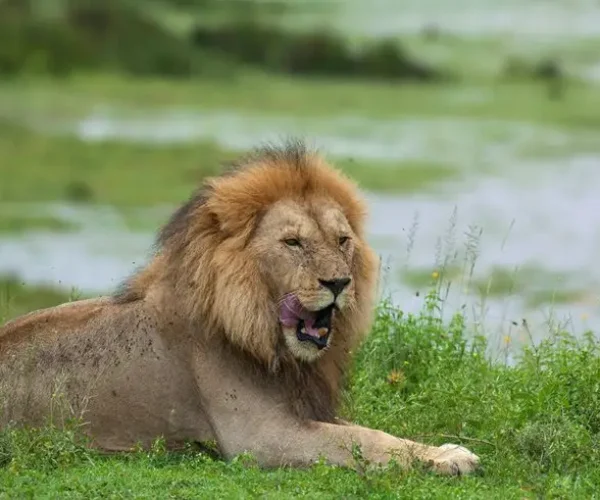
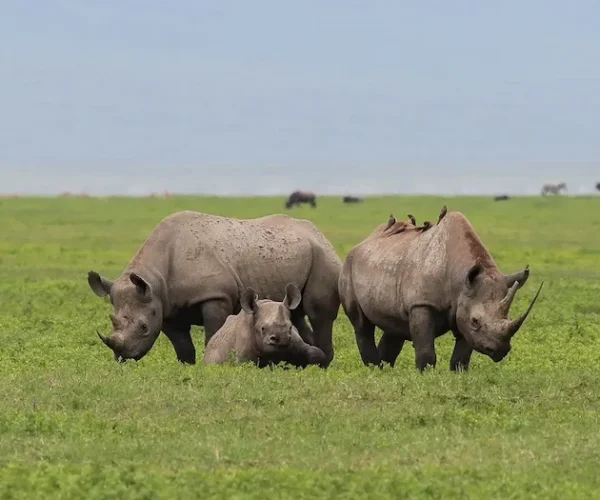
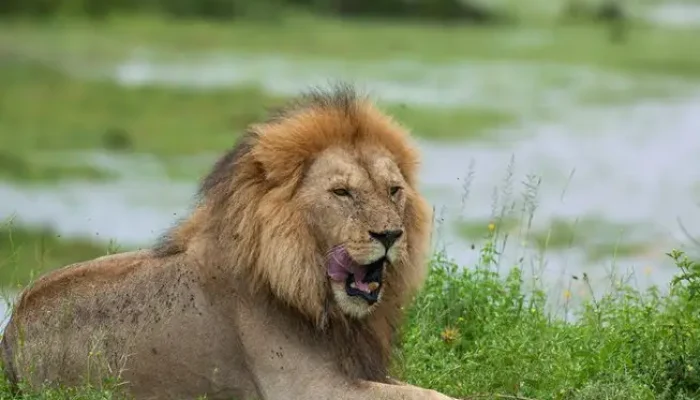
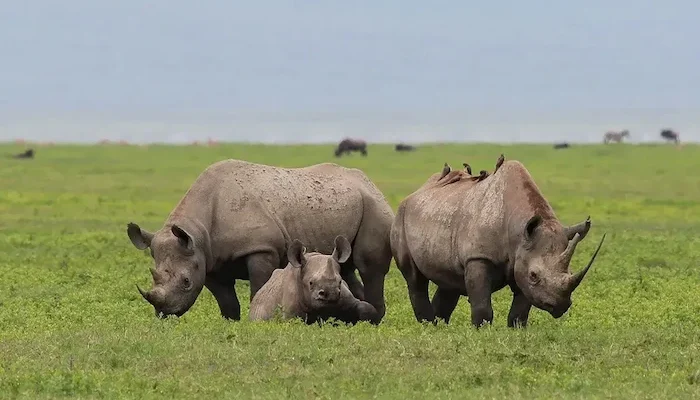
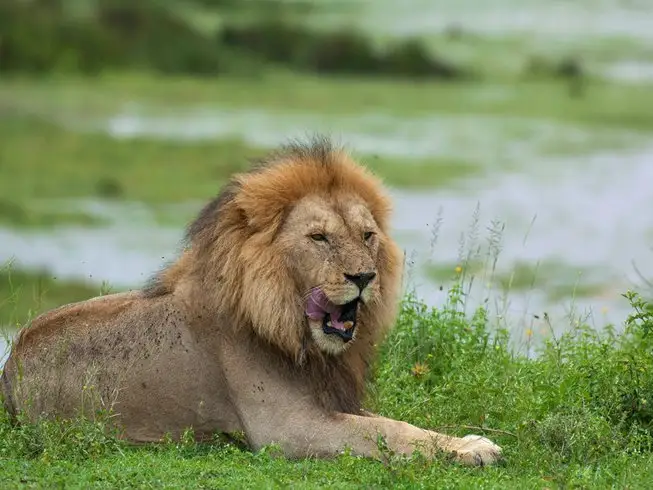
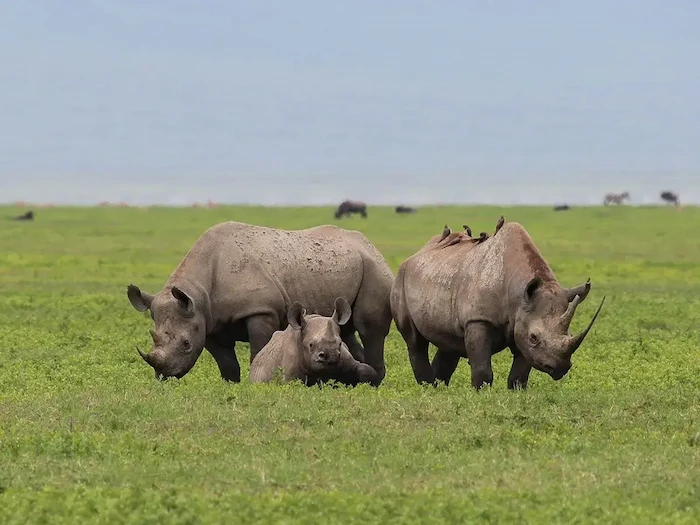
After an early breakfast, descend into the Ngorongoro Crater, a UNESCO World Heritage Site and one of Africa’s most spectacular wildlife destinations. The crater is home to an incredible density of wildlife, including rhinos, lions, elephants, and hippos. Enjoy a game drive on the crater floor and a picnic lunch inside the park, then head to your campsite for a relaxing evening by the campfire.

Accommodation

Mto wa Mbu Public campsite

Meals: Breakfast, Lunch and Dinner

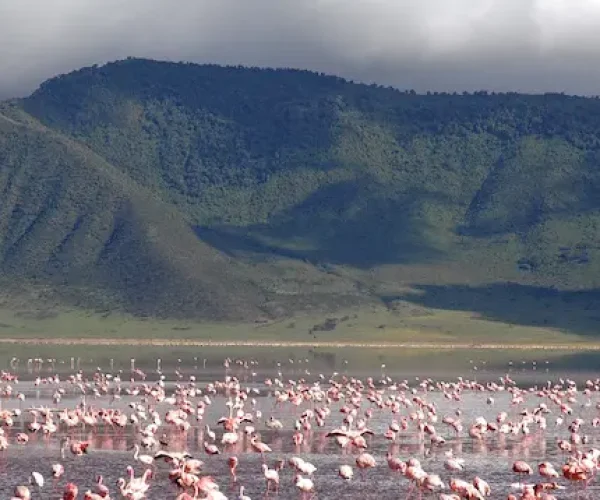
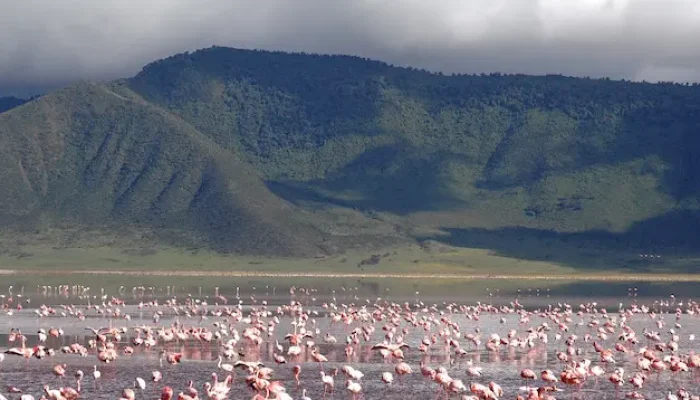
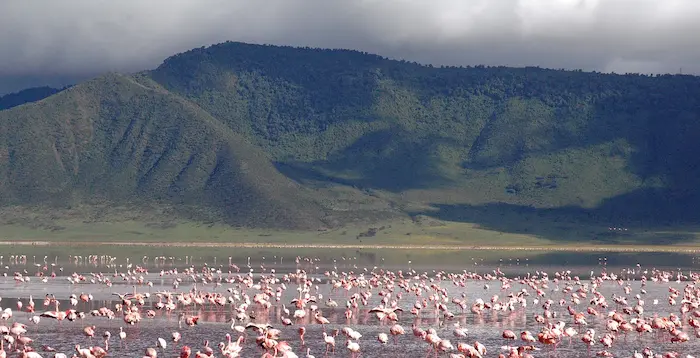
Today’s destination is Lake Manyara National Park, a compact gem famous for its tree-climbing lions, flamingos, and lush groundwater forest. After breakfast, embark on a game drive through this diverse landscape with excellent birdwatching and primate sightings. Have a picnic lunch inside the park before returning to Arusha in the late afternoon.

Flight information

The best airport to fly into is Kilimanjaro International Airport (JRO). Located about 45 km from Moshi and 50 km from Arusha, it is the most convenient airport for climbers.

Hike Kilimanjaro Ltd can arrange airport transfers from Kilimanjaro International Airport to your hotel and back. Please note that transfers are available at an additional cost—just let us know your flight details in advance, and we’ll handle the rest.

Alternative Airports

If you cannot find a flight directly to Kilimanjaro International Airport, you may also consider flying to:

  • Nairobi International Airport (NBO) – Kenya
  • Julius Nyerere International Airport (DAR) – Dar es Salaam, Tanzania

From these airports, you can connect to Kilimanjaro by either:

  • A connecting flight to Kilimanjaro International Airport (JRO)
  • A shuttle bus or private transfer to Moshi or Arusha, where your trek begins

For convenience, Nairobi is closer to Kilimanjaro than Dar es Salaam, and often offers more international flight options at competitive prices.

International Flights to Kilimanjaro Airport (JRO)

Several major airlines offer direct flights to Kilimanjaro International Airport:

AirlineRoute
KLMAmsterdam → Kilimanjaro
CondorFrankfurt → Kilimanjaro
Turkish AirlinesIstanbul → Kilimanjaro
Kenya AirwaysNairobi → Kilimanjaro
Precision AirNairobi → Kilimanjaro
Qatar AirwaysDoha → Kilimanjaro
Ethiopian AirlinesAddis Ababa → Kilimanjaro
RwandAirKigali → Kilimanjaro

If direct flights are not available from your location, you can also book flights via Dar es Salaam or Nairobi, then connect to Kilimanjaro.

Domestic Flights within Tanzania

For flights within Tanzania, the following airlines operate regular domestic services:

  • Precision Air
  • Air Tanzania
  • Fly540
  • Regional Air
  • ZanAir
  • Coastal Aviation
  • Air Excel

Bus Transfers

We can also arrange shuttle bus services between Nairobi, Arusha, and Moshi. These are available daily for an additional fee.

Sample Shuttle Schedule (subject to change):

RouteDepartureArrival
Nairobi → Arusha08:0014:00
Nairobi → Arusha14:0018:30
Nairobi → Moshi08:0015:30
Moshi → Nairobi06:0014:00
Arusha → Nairobi08:0014:00
Moshi → Nairobi10:3018:30
Arusha → Nairobi14:0018:30

Private Transfers

For added comfort and flexibility, private transfers can also be arranged between:

  • Nairobi ↔ Arusha / Moshi
  • Dar es Salaam ↔ Arusha / Moshi
  • Mombasa ↔ Arusha / Moshi

Private transfers are available at an extra cost. Contact us for current rates and arrangements.

Price Tanzania Budget Safari 3 Days

Number of Pax

Price Per Person

1

USD 1935 pp

2

USD 876 pp

3 to 5

USD 792 pp

6 to 7

USD 617 pp

Inquire Now

Looking for personalized experience? We organize privately guided journey which is mainly designed to fit your taste and interest. Please fill out the form below to get started.

Price Includes

Price Excludes

Packing List for Tanzania Budget Safari 3 Days

To ensure a safe and comfortable safari experience with Hike Kilimanjaro Ltd, we recommend bringing the following essential gear and equipment. Being well-prepared is the key to enjoying your adventure in Tanzania to the fullest.

Clothing Recommendations

Safari Gear Essentials

Other Travel Essentials

Miscellaneous Items

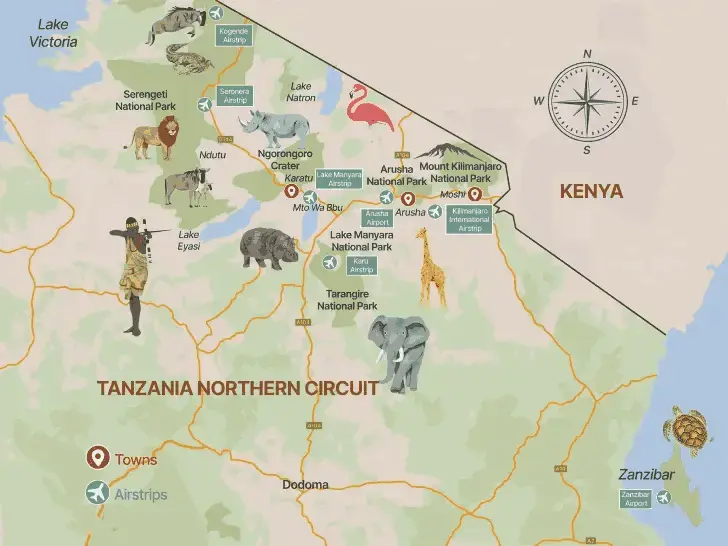
Tanzania Budget Safari 3 Days Map

A map for 3-Day Tanzania Budget Camping Safari

FAQs for Tanzania Safari

General

Why Book a Tanzania Safari with Hike Kilimanjaro?

Hike Kilimanjaro is proudly recognized as one of Tanzania’s leading trekking and safari companies. With expert guides and a dedicated team, we ensure every aspect of your journey is thoughtfully taken care of.

As a certified sustainable travel company, we are deeply committed to responsible tourism and creating a lasting, positive impact on local communities. Our initiatives include supporting the construction of shelters and promoting access to quality education.

Is Tanzania open to travellers following the Covid-19 pandemic?

Tanzania is fully open to travelers, with no entry restrictions currently in place. Visitors can obtain a visa on arrival at international airports or land border crossings, including those coming from neighboring countries like Kenya and others.

Whether you're arriving by air or land, you’ll find a smooth and welcoming process to start your adventure in Tanzania.

What are the conditions to travel to Tanzania post Covid-19?

Traveling to Tanzania is now hassle-free. There is no requirement for a vaccination certificate or a negative PCR test to enter the country. However, it’s important to check with your airline and any transit countries for specific requirements, as regulations may vary.

Enjoy a smooth journey to Tanzania and get ready for your adventure!

What additional documents do i need?

To complete your booking and preparation, please provide the following documents to our office staff:

  • A copy of a passport-sized photo
  • A copy of your international flight ticket
  • A copy of your travel insurance
  • These documents help us ensure a smooth process for your safari and make the necessary arrangements for your adventure.
What should I know about booking my flight to/from Tanzania? Do I need to plan extra days in case of delays?

When booking your flight to Tanzania, we recommend adding a day or two before your intended safari start date. This extra time will help you accommodate any flight delays or cancellations.

Please note that Hike Kilimanjaro Company is not responsible for any inconveniences, missed international flights, or additional costs resulting from unforeseen events such as airport changes, flight delays, or cancellations. We advise travelers to plan accordingly and allow extra time to ensure a smooth and stress-free journey.

Which languages do the guides speak when leading the travelers?

At Hike Kilimanjaro Company, our guides primarily speak English and Swahili, ensuring effective communication throughout your safari. Additionally, we have guides who speaks other languages such as German, French, Spanish, and more, available upon special request.

Please let us know your preferred language in advance, and Hike Kilimanjaro will make the necessary arrangements to ensure a smooth and comfortable experience during your climb.

Tanzania Safari Weather and Temperature

When is the Best Time to Visit Tanzania?

Many travelers ask us at Hike Kilimanjaro when the best time to visit Tanzania is. The truth is—there’s no single right answer. It all depends on what you want to experience, where you plan to go, your budget, and your personal interests. To help you decide, we’ve put together a comprehensive guide on the best time to visit Tanzania.

Dry Season (June to October & December to February):
This is the most popular time for safaris and beach holidays. The weather is pleasant, and wildlife viewing is at its peak. However, expect higher hotel rates and busier national parks and attractions.

Mid Season (March & November):
A great balance for those seeking fewer crowds and moderate prices. While occasional rains may occur, wildlife is still abundant, and the atmosphere is more relaxed.

Wet Season (April & May):
Ideal for budget-conscious travelers, this low season brings lush, green landscapes and the lowest accommodation rates. Be prepared for heavy rain, which may affect travel plans, but offers a quieter, more serene safari experience.

What Kind of Weather and Temperature Can I Expect While on Safari in Tanzania?

Tanzania generally offers warm, pleasant weather year-round, making it an excellent safari destination. During the dry season (June to October), expect clear skies, low humidity, and daytime temperatures ranging between 20°C to 30°C (68°F to 86°F). Evenings and early mornings can be chilly, especially in higher altitudes like Ngorongoro, so packing layers is essential.

In the wet season (November to May), temperatures remain warm—between 23°C and 31°C (73°F to 88°F)—but you can expect short, heavy showers, especially in March, April, and May. These rains turn the landscape lush and green, and wildlife is still abundant, though sometimes more dispersed

Can we hike Mount Kilimanjaro first and then go on a wildlife safari in Tanzania?

Absolutely! Hiking Mount Kilimanjaro before your wildlife safari is actually a popular and recommended itinerary for many travelers.

Climbing Kilimanjaro is a physically demanding adventure that requires energy, focus, and endurance. Doing the trek first ensures you’re at your strongest for the summit. Afterward, you can unwind and enjoy the more relaxing pace of a wildlife safari, while still experiencing Tanzania’s stunning landscapes and abundant wildlife.

This combination offers the perfect balance—conquer Africa’s highest peak and then reward yourself with a serene, scenic safari through iconic parks like Serengeti, Tarangire, and Ngorongoro Crater.

Would you like a sample itinerary that combines both?

Arrival and Visas

Is it possible to obtain a visa for Tanzania upon arrival at the airport?

Yes, travelers can obtain a visa on arrival at major airports in Tanzania, including Kilimanjaro, Dar es Salaam, and Zanzibar. You will need:

  • A valid passport (with at least 6 months' validity)
  • A completed application form (available on-site)
  • Proof of onward travel
  • Sufficient funds for your stay

The visa fee is typically $50 (or $100 for U.S. citizens), payable in cash (USD).

To avoid any delays, Hike Kilimanjaro recommends applying for an e-Visa in advance through the official portal: https://visa.immigration.go.tz.

Always check the current visa requirements before travel, as policies may change.

Who will come to pick me up at the airport upon my arrival?

When you arrive, a member of the Hike Kilimanjaro team will be waiting for you outside the airport terminal holding a signboard with both our company name and your travel group name. You will then be escorted to your hotel in a private, comfortable tourist vehicle for your convenience and comfort.

How long shoul i expect the visa process and baggage claim to take upon arrival at the airport?

At Kilimanjaro International Airport, the process of obtaining a visa and collecting your baggage generally takes 30 minutes to 1 hour. However, this duration may vary depending on factors such as the time of day, the number of arriving flights, and passenger volume. We recommend allowing some extra time for these processes to ensure a smooth arrival.

Can I buy a SIM card at the airport in Tanzania?

Yes, SIM cards are available for purchase at the airport from local telecom providers such as Vodacom, Airtel, and Tigo. We recommend Vodacom for its extensive nationwide coverage.

SIM card counters are open from morning until evening. If your flight arrives late and the counters are closed, don’t worry—our driver can take you to a Vodacom shop the following morning before your trip begins.

You can purchase a SIM card in the arrivals area after collecting your baggage. Please remember to bring a passport-sized photo and a copy of your passport, as these are required for registration.

Where can I exchange my money upon arrival in Tanzania?

Upon arrival at Kilimanjaro International Airport, you can exchange your currency at one of the money exchange counters in the arrivals area. Alternatively, Hike Kilimanjaro can guide you to authorized exchange centers near your hotel, which are typically open during the day for your convenience.

Tanzania Safari Cost

Can I use a credit card in Tanzania?

Yes, you can use credit cards in Tanzania. Visa, Mastercard, and American Express are widely accepted at most hotels, restaurants, and shops. However, please be aware that using a credit card may incur additional fees to cover transaction charges. Hike Kilimanjaro recommends carrying some cash for smaller purchases or in areas where cards might not be accepted.

Is it possible to use credit cards in the places I visit during the safari?

While on safari in Tanzania, credit cards are accepted at many lodges, camps, and larger souvenir shops. However, Hike Kilimanjaro recommends carrying some Tanzanian Shillings (TZS) for small purchases, tips, or in remote areas where card facilities may not be available.

You can exchange currency at the airport, local banks, or use ATMs before heading to the national parks. For better exchange rates and convenience, it's best to exchange your money in Arusha or Moshi before starting your safari.

Is it possible to reserve a trip now and pay a deposit later or do I have to pay a deposit at booking?reservation?

To confirm your booking with Hike Kilimanjaro, a 30% deposit is required. The remaining balance can be paid up to 4 weeks before your trip or upon your arrival at Kilimanjaro International Airport.

We accept US Dollars (cash) and credit cards (Visa, MasterCard, and American Express) in Tanzania. Please note that a 3% transaction fee applies to all credit card payments.

How do I pay the remaining balance of my trip upon arrival in Tanzania? US Dollars cash or credit card?

You can pay the remaining balance of your trip using US Dollars cash or credit card (Visa, MasterCard, and American Express). Please note that a 3% transaction fee will be added to credit card payments. For this reason, Hike Kilimanjaro encourages paying with USD cash upon arrival.

We recommend using larger bills (USD 50 or 100). Also, ensure that the cash is not older than 2009 and is in good condition, as worn, torn, or crumpled bills are not accepted by banks.

How are the ATM and money exchange facilities in Tanzania?

There are ATM and money exchange facilities almost every place, where you will be staying in Tanzania. So, you can easily use your cards to cash out limited sum of money to which a minimum charge is deducted by the ATM facility itself. You can easily exchange your foreign currencies in currency exchange centers for an exact rate.

Tanzania Safari Accommodation

What kind of lodging accommodation is available during a Tanzania safari?

Tanzania offers a wide range of lodging options to suit different preferences and budgets during a safari. You can choose from luxury lodges with high-end amenities, stylish tented camps that blend comfort with nature, mid-range lodges offering a cozy stay, and budget-friendly campsites for a more adventurous experience.

At Hike Kilimanjaro, we handpick accommodations based on your preferences, ensuring comfort, safety, and an authentic safari atmosphere—whether you’re looking for elegance, a close-to-nature vibe, or great value.

Is it possible to have private rooms while on safari or while in Arusha?

Yes, absolutely! Private rooms are available both while on safari and during your stay in Arusha. Whether you prefer a single, double, or twin room, Hike Kilimanjaro ensures comfortable, private accommodations tailored to your needs.

From cozy boutique hotels in Arusha to luxury lodges and tented camps in the national parks, we offer a variety of options that provide privacy, comfort, and a relaxing environment throughout your journey.

What happens if I end up staying an extra night in Arusha due to an unforeseen delay or cancellation?

If you experience an unexpected delay or cancellation that requires you to stay an extra night in Arusha, Hike Kilimanjaro will assist you in arranging suitable accommodation based on availability and your budget.

While the cost of additional nights is not typically included in your original package, we’re happy to help coordinate logistics, recommend trusted hotels, and ensure your extended stay is as comfortable and stress-free as possible.

What sort of food can I expect on safari?

While on safari in Tanzania, you can expect a variety of freshly prepared meals that blend international cuisine with local flavors. Most lodges and tented camps offer buffet-style or set-menu meals, including breakfast, lunch, and dinner.

Typical safari meals include fresh fruits, vegetables, rice, grilled meats, pasta, and local dishes like ugali and nyama choma. Vegetarian, vegan, and special dietary needs can usually be accommodated with advance notice. You’ll also find snacks and drinks available during game drives, making sure you stay energized throughout the day.

Health and Safety

Do your guides have wildlife guide certificates from the Tourism Center? Have they received first aid training in case of any sickness or accident?

Yes, all our safari guides at Hike Kilimanjaro are fully certified by the Tanzania Tourism Training Institute and hold official wildlife guide licenses. In addition, they have undergone comprehensive first aid training and are well-prepared to handle any health-related situations or emergencies that may arise during your safari. Your safety and comfort are always our top priorities

What safety measures are in place to deal with sickness or accidents during a safari?

At Hike Kilimanjaro, your safety is paramount. Our guides are trained in wilderness first aid and equipped with first aid kits at all times. We maintain constant radio or phone communication with our base for quick response in case of emergencies. In more serious situations, we coordinate with nearby medical facilities or arrange evacuation services if needed. We also recommend that guests have travel insurance that covers medical emergencies and evacuation for added peace of mind.

What vaccinations will I need?

Before traveling to Tanzania for your trek with Hike Kilimanjaro company, it’s important to ensure your vaccinations are up to date. While vaccination requirements can vary depending on your country of origin, the following are generally recommended:

Recommended Vaccinations:

  • Yellow FeverRequired if you’re arriving from a country with risk of yellow fever transmission. Proof of vaccination may be requested at entry.
  • Hepatitis A
  • Hepatitis B
  • Typhoid
  • Tetanus/Diphtheria
  • Rabies (recommended for longer stays or remote travel)
  • Polio (depending on your vaccination history)
  • MMR (Measles, Mumps, Rubella)

Malaria Prevention:

Tanzania is a malaria-risk area, particularly at lower altitudes like Arusha and Moshi (not on Mount Kilimanjaro itself). You should speak with your doctor about taking malaria prophylaxis.

Important: Always consult your travel doctor or healthcare provider at least 6–8 weeks before your departure to get the most accurate and personalized advice.

Your health and safety are a priority for us at Hike Kilimanjaro company. Let us know if you have any medical conditions or concerns we should be aware of before your trek.

Practical Matters

⁠What is your cancellation policy?

Hike Kilimanjaro Cancellation Policy

At Hike Kilimanjaro, we understand that travel plans can change unexpectedly. Our cancellation policy is designed to be fair and transparent, balancing your flexibility with the need to cover administrative and operational costs involved in preparing your adventure.

Cancellation Timeline and Fees

  • More than 90 days before the tour starts: 10% cancellation fee
  • 60–89 days before the tour starts: 30% cancellation fee
  • 30–59 days before the tour starts: 60% cancellation fee
  • 8–29 days before the tour starts: 80% cancellation fee
  • 0–7 days before the tour starts: No refund

Please note: If penalty fees charged by lodges, airlines, or other service providers exceed the percentages stated above, the non-refundable amount will be adjusted accordingly. Additionally, any bank transfer fees incurred during the refund process will be deducted from the refundable amount.

Cancellations Must Be Justifiable

We only accept cancellations for valid and justifiable reasons, such as serious illness, personal emergencies, or other unavoidable circumstances. Supporting documentation may be requested.

No Refunds for Unused Services

Once your trip begins, no refunds will be issued for unused services due to personal decisions, medical issues, or weather-related disruptions. This includes accommodations, meals, transportation, or activities missed during the tour.

Travel Insurance Support

We strongly recommend securing comprehensive travel insurance to protect your investment. In case of cancellation, we are happy to provide all required documentation and receipts to assist you with your insurance claim.

Questions or Assistance

For more information, please refer to our [full Terms & Conditions] or reach out to our support team. We're here to help you plan with confidence.

Do I need to tip my guide, airport transfer driver, and lodge staff? How much would that be?

Yes, tipping is customary and appreciated in Tanzania's tourism industry. While not mandatory, it is a meaningful way to acknowledge the efforts of those who enhance your safari experience.

Recommended Tipping Guidelines:

  • Safari Guide: $10–$20 per person per day
  • Lodge/Camp Staff: $5–$10 per person per day
  • Airport Transfer Driver: $1–$5 per person per transfer

Tipping Etiquette:

  • For lodge or camp staff, it's common to place your tip in a communal tip box at reception, which is then distributed among the staff.
  • Tipping in US dollars is widely accepted; however, for smaller amounts or tipping individuals in local areas, Tanzanian Shillings (TZS) may be more practical.
  • Ensure that any US dollar bills you use are newer than 2006, as older bills may not be accepted.

If you are traveling with Hike Kilimanjaro, we can provide further guidance on tipping practices and assist you in preparing appropriate denominations for your journey.

⁠ ⁠Is there any communication while we are on safari?

Yes, there is usually communication while you are on safari in Tanzania. Most safari vehicles are equipped with radios to stay in touch with other guides and the base for safety and logistical purposes.

In terms of mobile connectivity, many areas within the national parks have cell coverage, though it can be spotty or weak in remote regions. Lodges and camps often offer Wi-Fi in common areas, but the speed and reliability may vary depending on the location.

If you need to stay connected consistently, we recommend purchasing a local SIM card with data upon arrival in Tanzania. This ensures you have access to mobile networks where coverage is available.

What is the Internet availability while on safari?

Internet availability while on safari in Tanzania varies depending on your location and the type of accommodation. Most lodges and tented camps offer Wi-Fi in common areas such as the lounge or dining area, though the connection may be slow or limited in remote parks.

Luxury lodges are more likely to provide stable internet access, while more basic camps may have limited or no connectivity. Mobile network coverage is available in and around major towns and some parts of national parks, so using a local SIM card with data is a good option if you want more consistent access.

Keep in mind that part of the safari experience is being immersed in nature, so many travelers use this opportunity to disconnect and enjoy the wilderness.

Does it cost extra if I am a solo traveler on a Tanzania safari?

Yes, solo travelers often incur additional costs due to "single supplements." These fees compensate for the cost of single occupancy in accommodations typically designed for double occupancy. Single supplements can range from 25% to 75% of the standard rate, depending on the lodge or camp.

Sharing costs for safari car and airport transfers:

When you book a safari, the cost of the safari vehicle and airport transfers is typically shared among the group. For example, a vehicle can accommodate up to six window seats, and the price for the vehicle per day remains the same whether the vehicle is full with six people or if you are the only one in the vehicle. This means, as a solo traveler, you'll pay the same amount for your seat in the vehicle as if the car were fully occupied. The more people you share with, the less it costs per person, making it more affordable.

Tips to minimize extra costs:

  • Travel during low or shoulder seasons: Some lodges waive or reduce single supplements during these periods.
  • Opt for group safaris: Joining a group can eliminate single supplement fees and offer a more social experience.
  • Book with operators that offer single-friendly policies: Some companies do not charge extra for solo travelers.
Is there a provision for a refund policy if I don't accomplish the safari?

Hike Kilimanjaro understands that unexpected circumstances may arise, preventing you from completing your safari. While we strive to accommodate every traveler’s needs, our refund policy depends on the situation and timing of the cancellation or interruption.

In general, cancellations made well in advance may qualify for partial refunds. However, cancellations or changes made closer to the safari's start date may be subject to stricter terms, and refunds may not be possible. If you are unable to complete the safari due to unforeseen circumstances, such as illness or an emergency, we may offer partial refunds or alternative arrangements, depending on the circumstances and the terms of your booking.

We highly recommend purchasing travel insurance before your safari to protect yourself against unexpected events, such as trip cancellations or interruptions. Travel insurance can help cover situations that prevent you from completing your safari.

For more specific details or concerns about our refund policy for your safari, please contact us directly.

How many people can your safari vehicles accommodate?

Our safari vehicles typically have a capacity of up to 6 passengers, each with a guaranteed window seat, ensuring a comfortable and immersive wildlife viewing experience. These 4x4 vehicles are specially designed for safaris, offering ample space for photography, relaxation, and safety.

At Hike Kilimanjaro, all our safaris are private—meaning you won’t be grouped with strangers. However, clients are welcome to form their own private group of any size. We will provide the appropriate number of vehicles to accommodate your group, with each vehicle seating a maximum of 6 people.

If you're traveling solo or with fewer companions, you’ll still have a private vehicle, though the cost per person may be higher compared to a group sharing. Sharing costs within your own group is a great way to reduce the overall expense while still enjoying a personalized safari experience.

Can I add extra days to my safari trip?

Yes, you can absolutely add extra days to your safari trip! At Hike Kilimanjaro, we offer flexible itineraries and can customize your safari to include more time in specific parks, cultural experiences, or even relaxation days. Just let us know your preferences, and we’ll tailor the journey to suit your schedule and interests.

⁠I want to extend my holiday, any recommendations?

Absolutely! If you'd like to extend your holiday after your safari, Hike Kilimanjaro offers a variety of exciting options to enhance your adventure:

  • Zanzibar Beach Holiday – Perfect for relaxation with white sand beaches, turquoise waters, and a rich blend of cultures.

  • Mount Kilimanjaro Hike – For adventurers, you can add a full Kilimanjaro trek or opt for a short day trip to experience the mountain without committing to a full climb.

  • Cultural Tours – Explore local life by visiting Maasai villages, coffee plantations, and taking walking tours through historical towns like Mto wa Mbu. You can also meet the Hadzabe tribe, one of Tanzania’s last remaining hunter-gatherer communities, for a truly authentic experience.
  • Lake Natron – A remote and stunning destination with flamingo-filled soda lakes, waterfalls, and unique volcanic landscapes – ideal for off-the-beaten-path explorers.
  • Ngorongoro Highlands Hike – Blend scenic hiking with cultural interactions in this beautiful region.
  • Let us know your interests and preferences, and we’ll tailor the perfect holiday extension for you!

Transportation and Flights

⁠Do I need to book my international flights for the travel to Tanzania?

Yes, Hike Kilimanjaro company recommends that you book your own international flights to Tanzania.

Flight Booking:

  • Arrival and Departure:
    You will need to book a flight to Kilimanjarom International Airport (JRO), which is the main gateway for treks to Mount Kilimanjaro and Wildlife Safaris.
  • Flight Dates:
    Ensure your flight arrives in Tanzania at least one day before your scheduled trek or safari to allow time for rest, briefings, and any last-minute preparations.
  • Booking Assistance:
    If needed, we can provide some guidance on flight options and assist with travel planning, but the booking process is generally done independently.

Please ensure your flight details are shared with us in advance so we can coordinate your airport transfer and ensure a smooth start to your adventure.

What form of transportation do you utilize?

At Hike Kilimanjaro company, we prioritize comfort, safety, and reliability in all transportation arrangements for your holiday.

Airport and Mountain Transfers:

  • Minibuses: For your transfers to and from Kilimanjaro International Airport (JRO), and to the trek starting points, we use comfortable minibuses that provide ample space and a smooth ride.

Wildlife Safari:

  • Safari Jeeps (4x4): For safaris and wildlife tours, we use well-equipped 4x4 safari jeeps. These vehicles are designed for the rugged terrain of Tanzania’s national parks, offering excellent views and comfort during your safari adventure.

Whether you’re heading to the mountain, exploring the wildlife, or transferring to your hotel, we ensure a safe and comfortable journey throughout your trip.

These full and frank reviews are from travelers who have traveled with Hike Kilimanjaro previously. The reviews and experiences shown here are from reputable travel websites like TripAdvisor, Google, Facebook, and Trust Pilot, etc.

Trip Photos

What makes this trip
different?

Hike Kilimanjaro
Company

Sustainability and Responsible Tourism

Related Information – Tanzania Budget Safari 3 Days

Embarking on a 3-day Tanzania budget camping safari offers an incredible opportunity to witness Africa’s iconic wildlife and landscapes without breaking the bank. To help you prepare and get the most from your adventure, we’ve answered the most frequently asked questions and provided essential insights below.

Is camping safe on a Tanzanian safari?

Yes, camping safaris in Tanzania are safe. Campsites are often located within or near national parks and are patrolled by park rangers. Guides and cooks are experienced in handling the wilderness, and guests are briefed on safety rules. Hike Kilimanjaro provides secure tents and equipment to ensure your comfort and protection throughout the trip.

Can I join a group to reduce the price?

We don’t offer private group joining for safaris. However, you can join one of our scheduled group camping safaris, where you share a vehicle, guide, and campsite with fellow adventurers. This setup reduces the cost significantly while maintaining a fun and sociable travel atmosphere.

What should I pack for a camping safari?

For a budget camping safari, pack light but smart. Essentials include:

  • Lightweight clothing in neutral colors
  • A fleece or jacket for chilly evenings
  • Sun protection (hat, sunglasses, sunscreen)
  • Insect repellent
  • Refillable water bottle
  • Personal toiletries & quick-dry towel
  • Camera or binoculars
  • Headlamp or flashlight

Don’t worry about tents and bedding – Hike Kilimanjaro provides all camping gear.

Are there bathroom facilities at the campsites?

Yes, public campsites in Tanzania have basic toilet and shower facilities. They may not be luxurious, but they are functional. Toilets are typically flush-type or pit latrines, and showers are usually cold-water. We recommend bringing a headlamp and personal hygiene essentials for comfort.

Can I combine a camping safari with a Kilimanjaro trek?

Absolutely. Many travelers combine a 3-day camping safari with a Kilimanjaro climb, especially those using the Marangu, Machame, or Lemosho Routes. Hike Kilimanjaro offers seamless packages that include both the safari and the trek, with rest days in Arusha between them.

Let us know your goals, and we’ll create a custom itinerary that fits your schedule and budget.

Can I customize my Tanzania Budget Safari 3 Days?

es. At Hike Kilimanjaro, we can tailor your 3-day safari to focus on your interests, such as birdwatching, photography, or visiting a specific national park. While the classic route covers Tarangire, Lake Manyara, and Ngorongoro Crater, we can adjust destinations based on your preferences and travel dates.

Do I need a visa or vaccination for Tanzania?

To enter Tanzania, most travellers need a tourist visa, which can be obtained online or on arrival. A Yellow Fever vaccination certificate is required if you’re coming from a country with a risk of transmission. We also recommend malaria prophylaxis and standard travel vaccinations. Please check with your local travel clinic before arrival.

What can I expect on a Tanzania Budget Safari 3 Days?

A 3-day Tanzania budget camping safari offers an authentic and immersive wildlife experience, perfect for travelers with limited time or on a tighter budget. Expect daily game drives in national parks like Tarangire, Lake Manyara, or the Ngorongoro Crater, depending on your itinerary. You’ll camp in designated public or special campsites inside or near the parks, with tents, sleeping gear, and meals included. Despite the low cost, the experience is rich in wildlife sightings and guided by professional safari experts from Hike Kilimanjaro.

What kind of animals will I see during the 3-day camping safari?

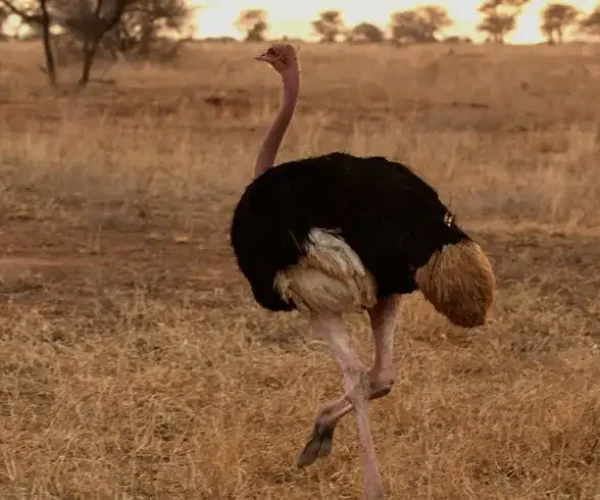
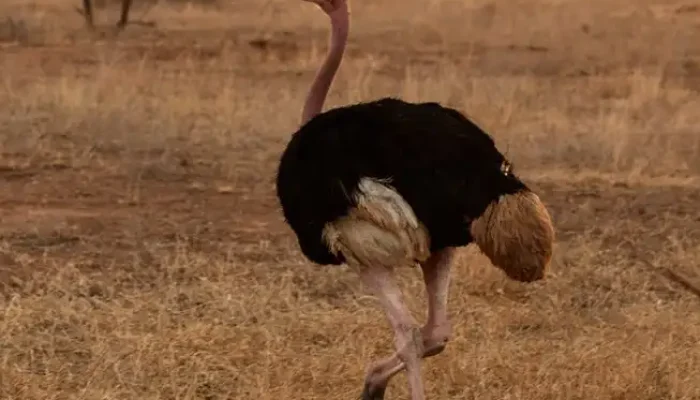
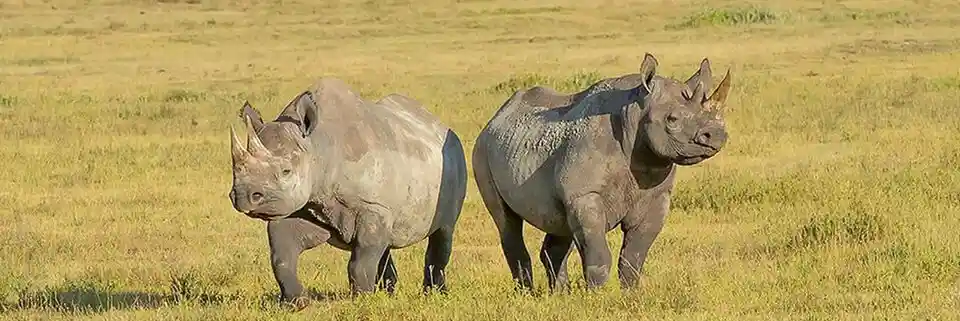
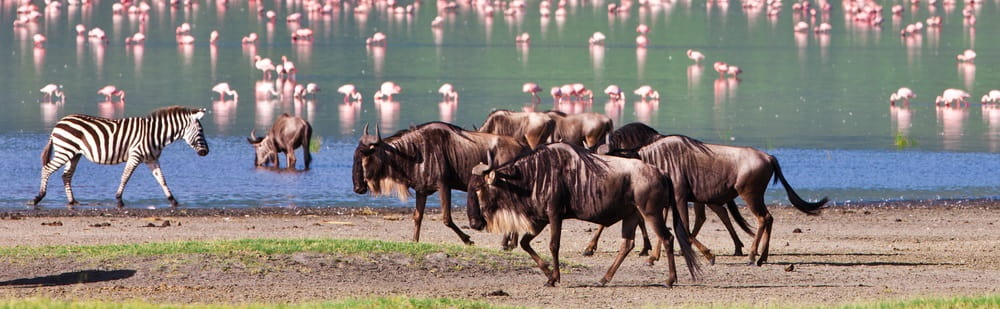
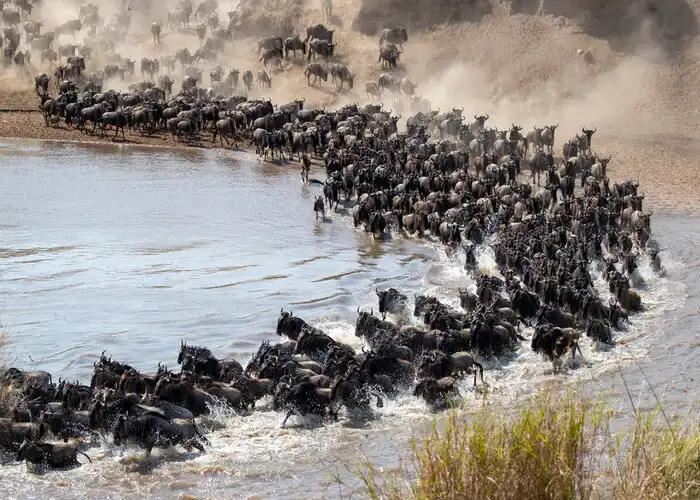
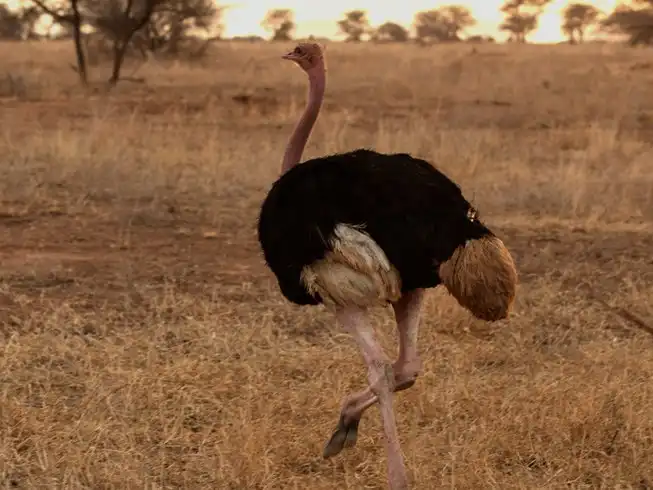
During your 3-day safari, you’ll likely encounter elephants, zebras, wildebeests, giraffes, buffalos, lions, and possibly leopards or cheetahs. In Lake Manyara, expect to see flamingos, hippos, and tree-climbing lions. Tarangire is known for massive elephant herds and baobab trees, while Ngorongoro Crater is home to the Big Five, including the elusive black rhino.

What type of camping equipment is provided?

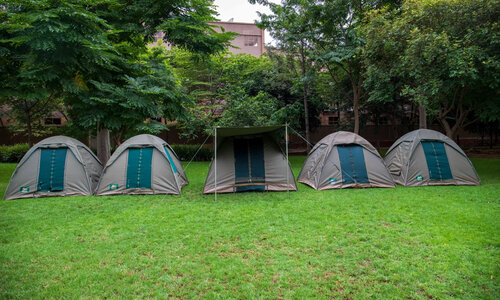
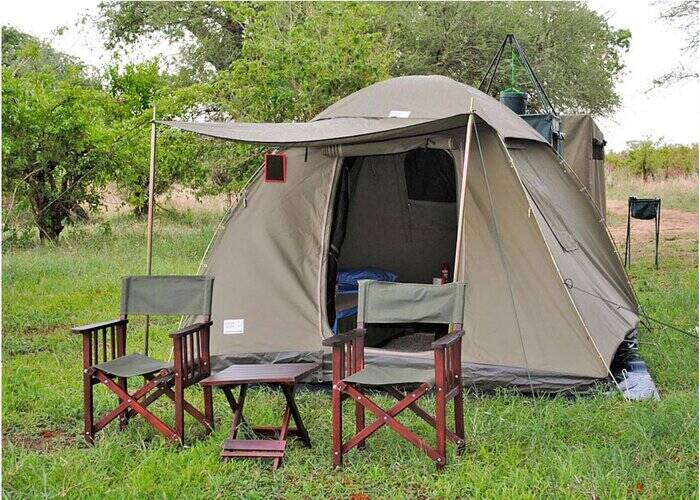
All camping gear is included in the package, which typically includes a 2-person tent, sleeping mattress, sleeping bag, camping chairs, a table, and cooking equipment. Our crew sets up the camp for you and prepares all meals. You only need to bring your personal items, flashlight/headlamp, and a sense of adventure.

What is the best time of year for a Tanzania Budget Safari 3 Days?

You can enjoy a 3-day Tanzania camping safari year-round, but the best times for wildlife viewing are during the dry season from June to October. This is when animals gather around water sources and vegetation is less dense, making it easier to spot them. The short dry season from January to early March is also excellent.

Why Choose Hike Kilimanjaro for your Tanzania Safari?

Because we deliver more than game drives, we create unforgettable journeys deep into the heart of Africa. With expert local guides, custom private 4×4 Land Cruisers, and handpicked accommodation in the best locations, your safari is crafted for comfort, authenticity and adventure.  We make every moment seamless and extraordinary. When you travel with us, you’re not just a visitor, you’re part of something real, personal, and wild.

Similar Tanzania Safaris

USD USD 617 pp / person

See Group Booking Discount

No. of People

Price per person

Speak to an Expert

Maxon

USD 617
per person