Down jacket with hood (mandatory above 4,000 m) and high-altitude sleeping bag are available for rent from Hike Kilimanjaro Ltd. at USD 30 each. All essential mountain gear can be rented as needed.

6 Days Marangu Route Trek
USD 2,215 / person
See Group Booking Discount
No. of People
Price per person
-
1 Pax $ 2,460
-
2 Pax $ 2,215
-
3 - 6 Pax $ 2,035
-
7 - 10 Pax $ 1,935
-
11+ Pax $ 1,775
Mount Kilimanjaro Marangu Route
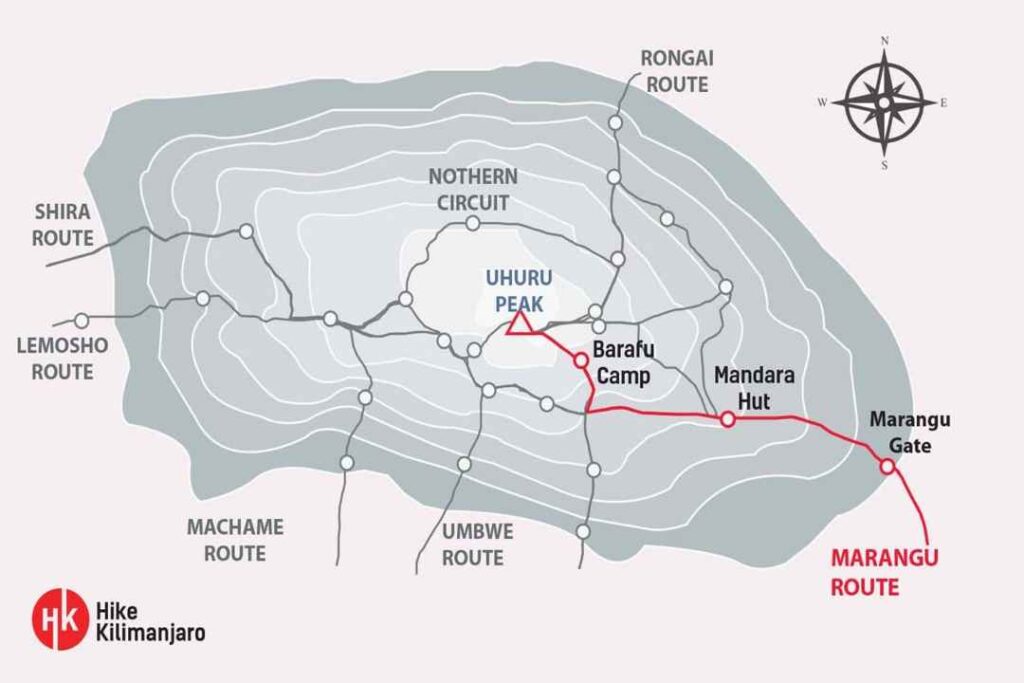
Mount Kilimanjaro offers several established routes to the summit, including Marangu, Machame, Lemosho, Shira, Rongai, and Umbwe. Each route provides a unique climbing experience, varying in scenery, accommodation, and acclimatization opportunities. The Marangu, Machame, and Umbwe routes approach the mountain from the southern side, while the Lemosho and Shira routes begin on the western slopes. The Rongai Route approaches from the north near the Kenyan border. Unlike most routes, the Marangu Route uses the same trail for both ascent and descent.
Country
Tanzania
Duration
8 Days
Difficulty
Moderate
Activity
Trekking / Hiking
Max. altitude
5,895 m(19,341 ft)
Best season
Jun-Oct, Dec-March
Accomodation
Hotel & Huts
All meals on Trek
Included
Start/End Point
Kilimanjaro Airport
Country
Tanzania
Duration
8 Days
Difficulty
Moderate
Activity
Trekking / Hiking
Max. altitude
5,895 m(19,341 ft)
Best season
Jun-Oct, Dec-March
Accomodation
Hotel & Huts
Meals on Trek
Included
Tour Highlights
- Experience the classic Kilimanjaro climb via the historic Marangu Route, also known as the “Coca-Cola Route.
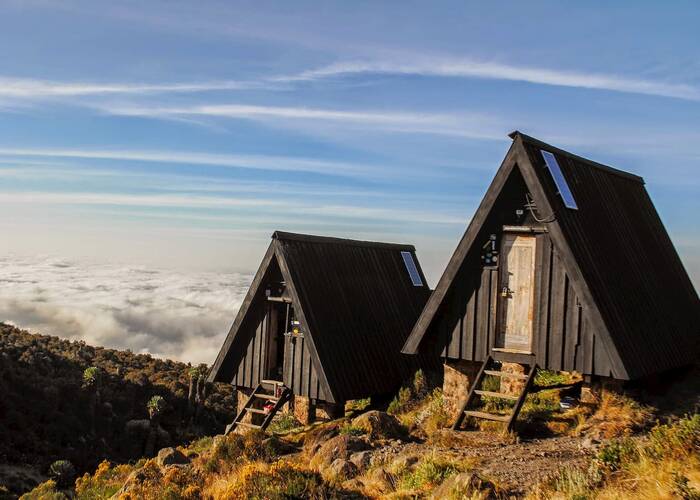
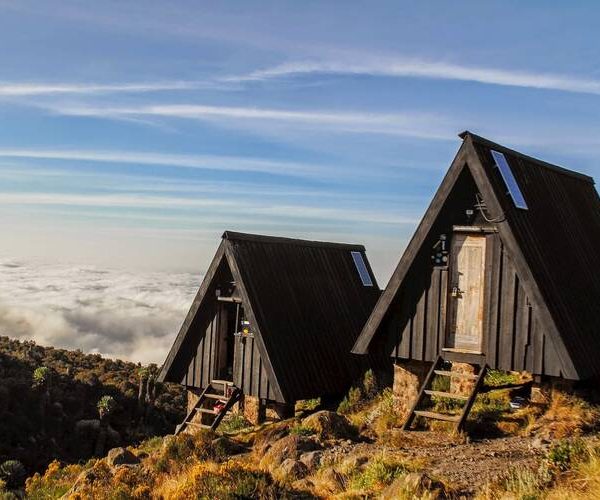
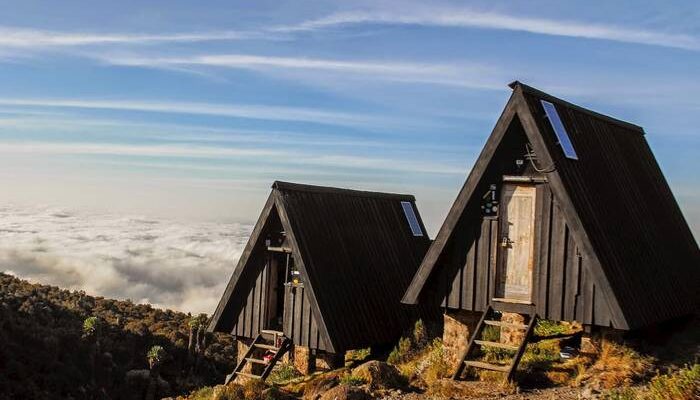
- Enjoy comfortable overnight stays in mountain huts – the only route with built-in accommodation.
- Trek through scenic landscapes including lush rainforest, moorland, and high-altitude alpine desert.
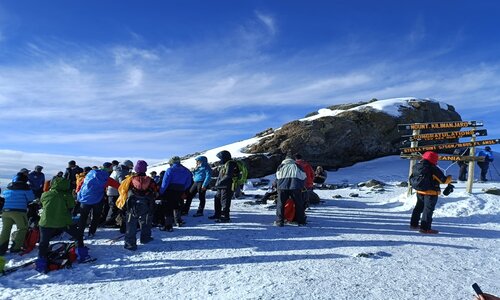
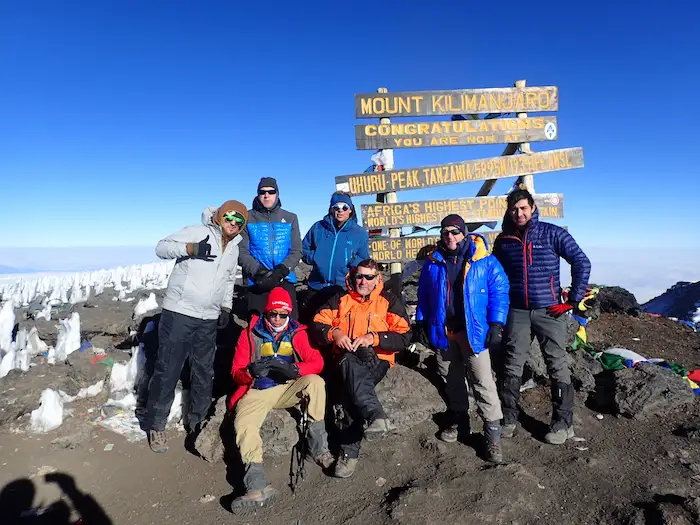
- Witness breathtaking sunrise views from Gillman’s Point and Uhuru Peak (5,895 m), the highest point in Africa.
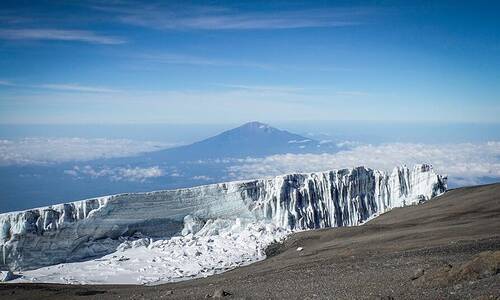
- Marvel at Kilimanjaro’s ancient glaciers and dramatic volcanic formations near the summit.
- Discover the natural beauty of Maundi Crater and its panoramic outlook toward Kenya.
- Learn about the traditions and lifestyle of the Chagga people, native to the Kilimanjaro region
- A moderate to challenging trek, ideal for climbers seeking a shorter route with built-in amenities.
Climbing Mount Kilimanjaro via the Marangu Route
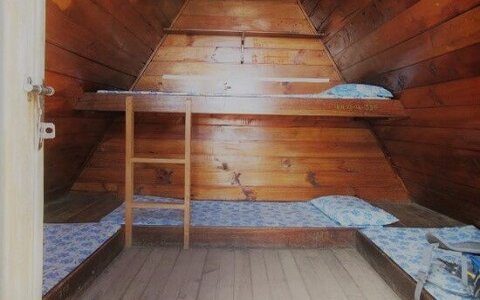
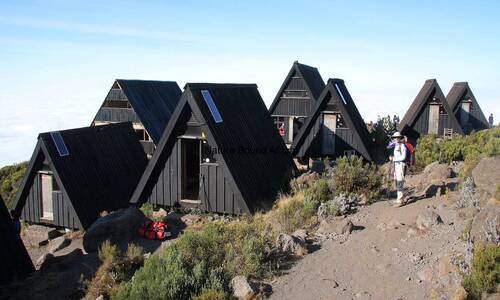
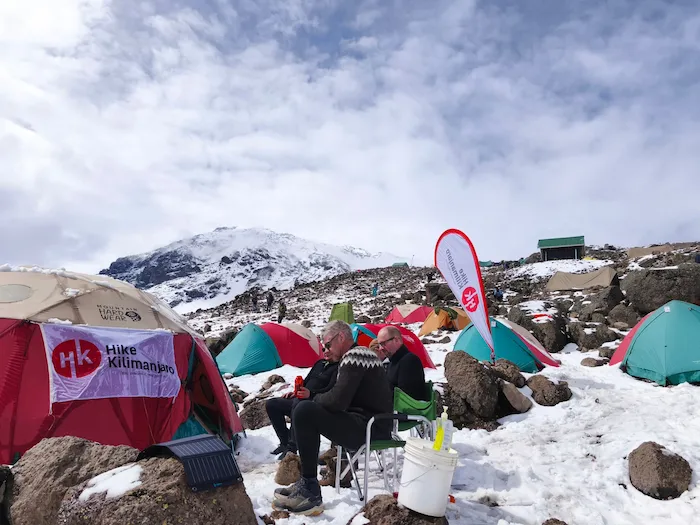
The Marangu Route, often referred to as the Coca-Cola Route, is one of the oldest and most well-known routes on Mount Kilimanjaro. It is particularly popular among climbers who prefer the comfort of mountain huts rather than camping, making it the only route on Kilimanjaro that provides permanent hut accommodation throughout the trek.
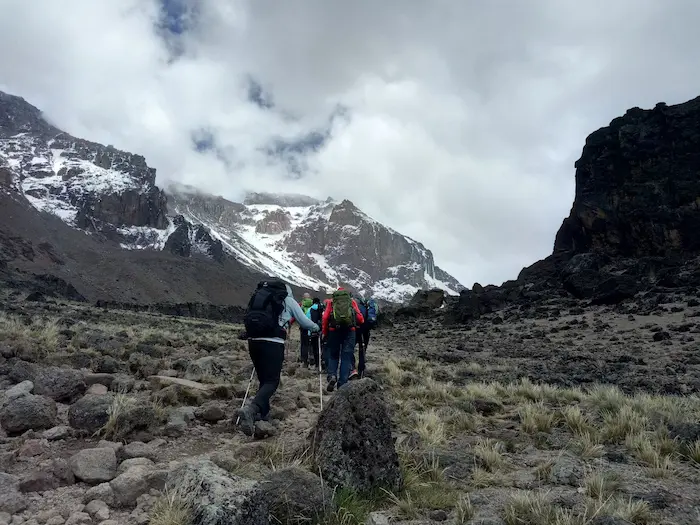
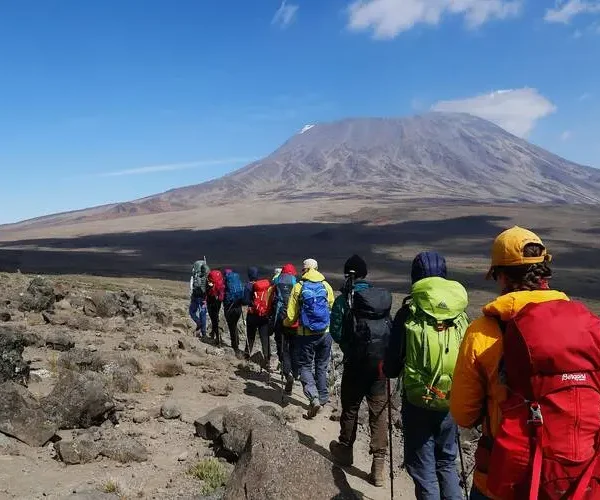
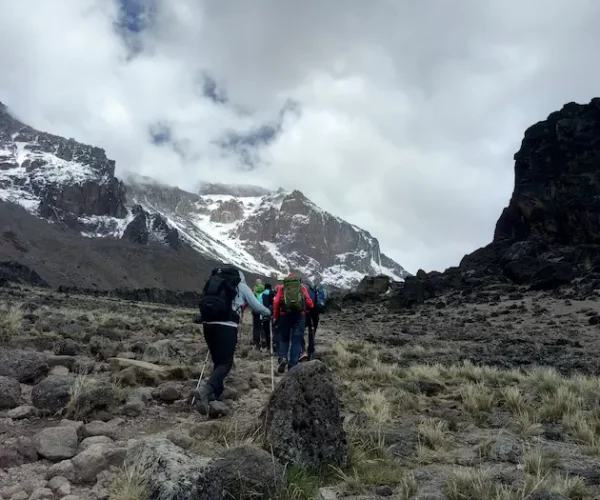
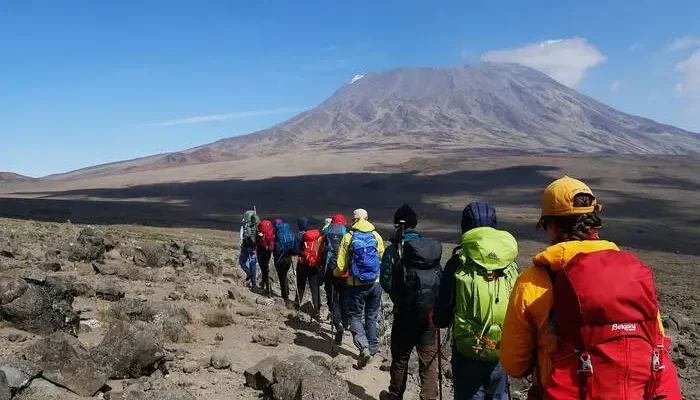
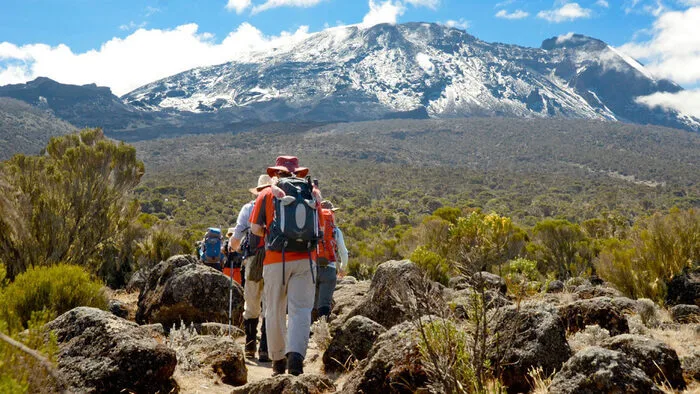
The trail passes through several distinct ecological zones, beginning in the lush rainforest before ascending through heath and moorland, alpine desert, and finally the arctic summit zone. Along the way, climbers enjoy beautiful scenery, diverse vegetation, and impressive views of the mountain’s volcanic landscapes.
The 6-day Marangu Route includes an additional acclimatization day at Horombo Hut, allowing trekkers more time to adjust to the altitude before continuing toward the summit. This extra day significantly improves summit success rates compared to the shorter 5-day itinerary. The final ascent begins from Kibo Hut and passes Gilman’s Point before reaching Uhuru Peak (5,895m), the highest point in Africa.
The Marangu Route is an excellent choice for climbers seeking a comfortable Kilimanjaro experience with hut accommodation, well-established trails, and a gradual trekking pace supported by an additional acclimatization day.
6 Days Marangu Route Trek Itinerary
Day 01: Arrival in Tanzania
Upon arrival at Kilimanjaro International Airport (JRO), you will be welcomed by a representative from Hike Kilimanjaro Ltd and transferred to Weruweru River Lodge in Moshi or to a similar Lodge. After check-in, you will have a full briefing with your guide, including a gear check to ensure you’re fully prepared for the trek.
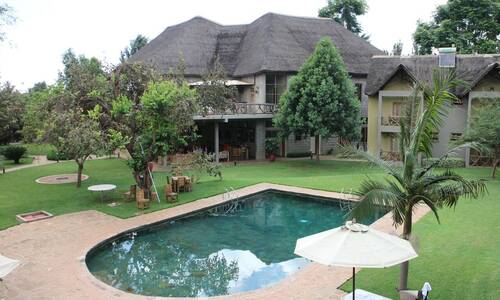
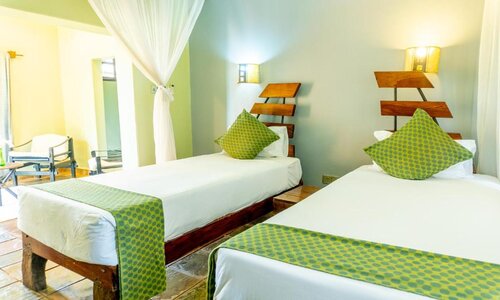
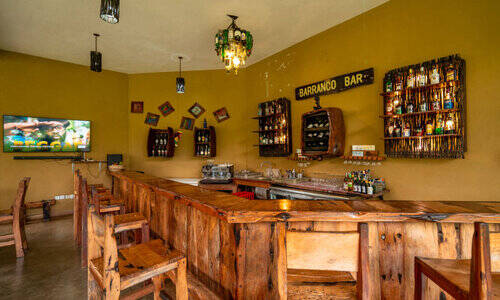
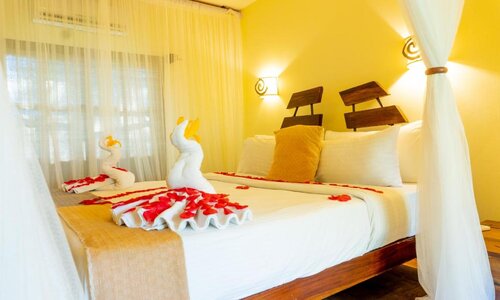
- Overnight at Weruweru River Lodge
- Breakfast included
Note: Your pre-trip briefing will be held at our office if you arrive before 4:00 PM, or at your hotel if you arrive later. Please bring copies of your passport and travel insurance for permit processing.
Hotel check-in starts at 12:00 PM. If you arrive early, let us know we can arrange a day-use room or short activities until check-in.
Day 2: Marangu Gate to Mandara Hut
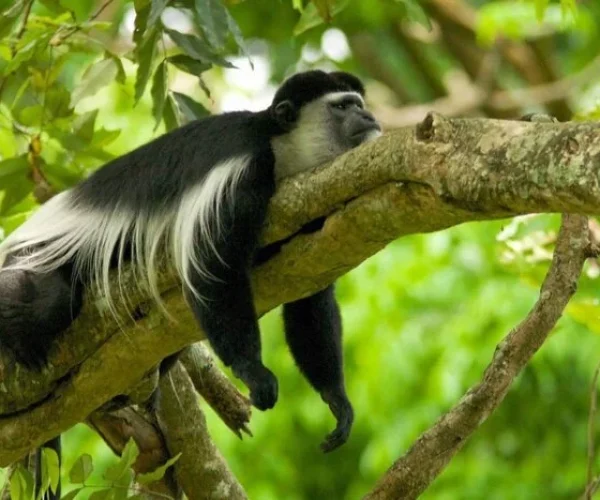
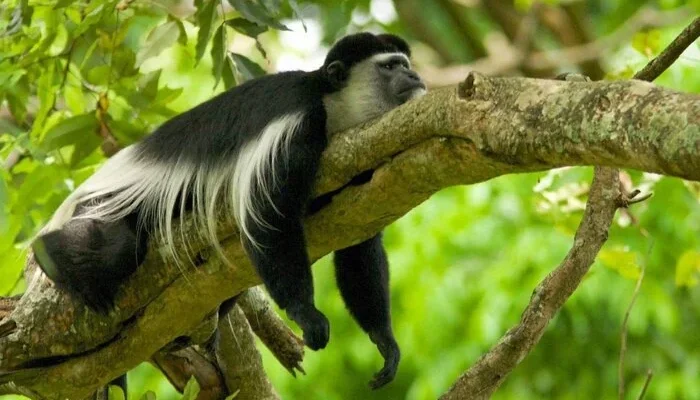
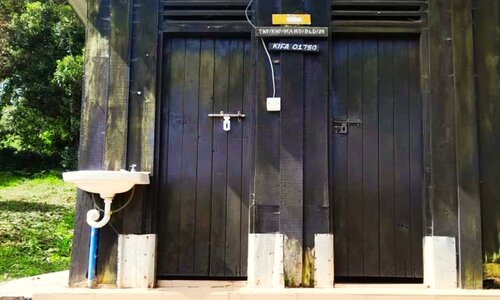
After breakfast, we drive to Marangu Gate, located on the southeastern side of Kilimanjaro. Once registration formalities are complete, we begin our trek along a well-maintained forest trail. This section is rich in flora and fauna, with sightings of blue monkeys, black-and-white colobus monkeys, and a variety of birds. The path gradually ascends through dense vegetation before opening up to reach Mandara Hut, where you’ll spend your first night on the mountain.
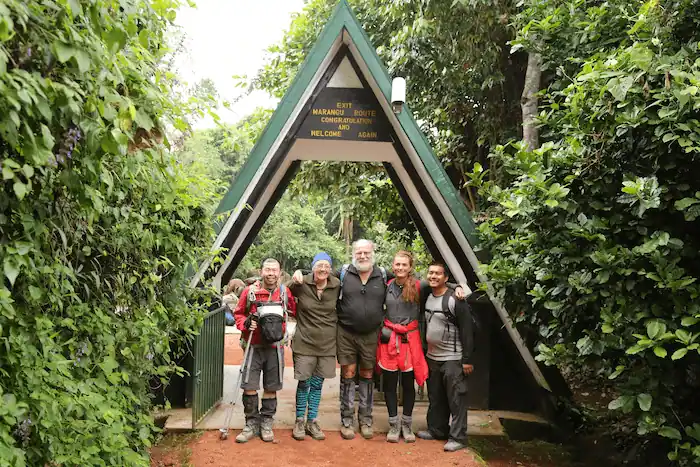
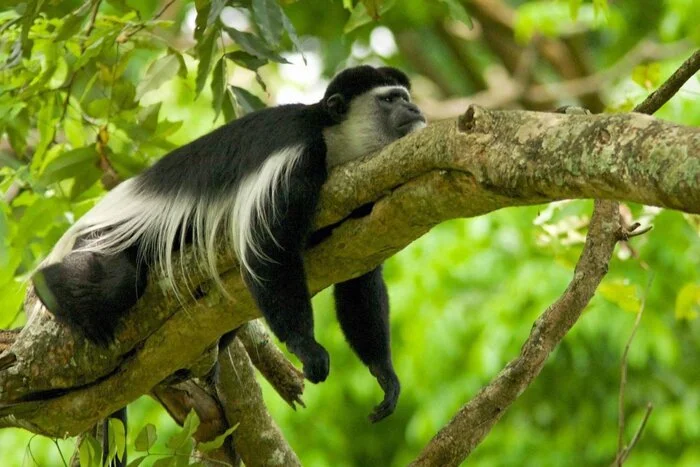
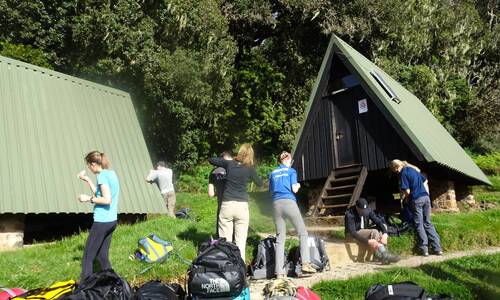
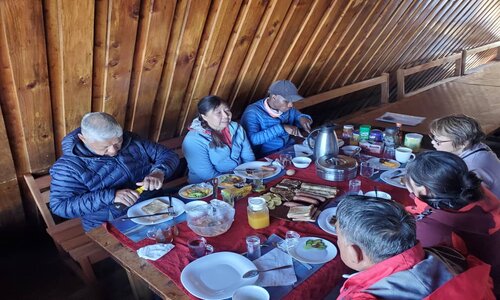
- Hiking Time: 4–5 hours
- Distance: 8 km (5 miles)
- Elevation: 2,700 m (8,858 ft)
- Overnight at Mandara Hut
- Breakfast, Lunch and Dinner included
Day 3: Mandara Hut to Horombo Hut
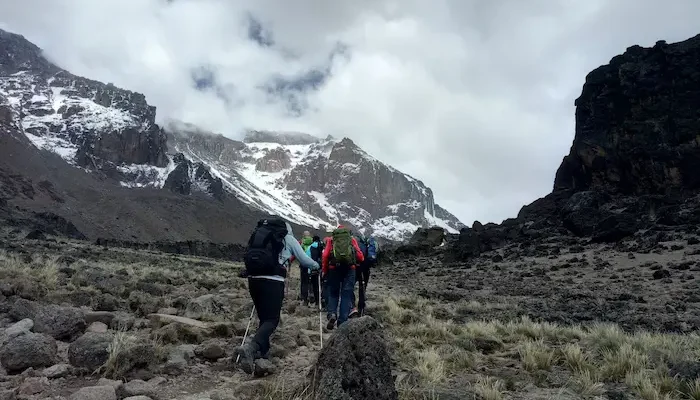
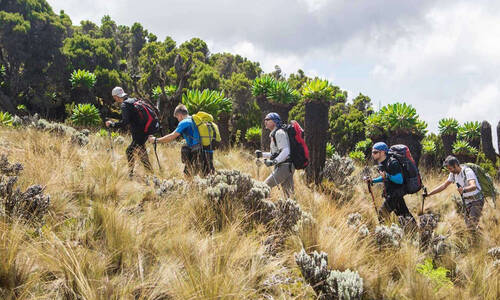
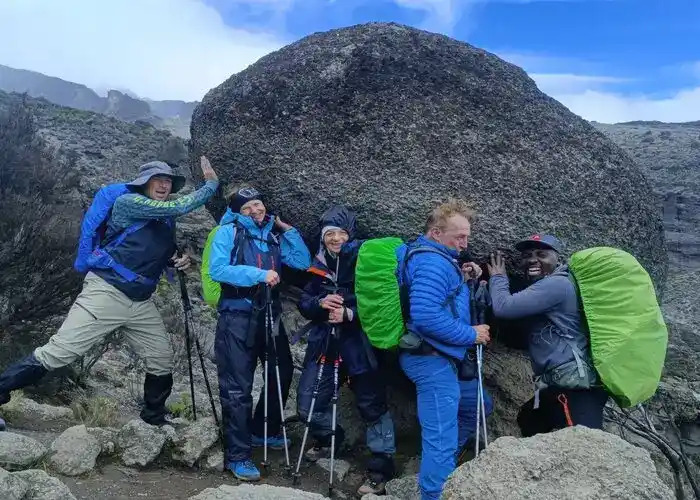
Today’s trek begins with a short climb through the last stretch of forest before transitioning into open moorland. The trail is dotted with large lobelias and giant groundsel, iconic high-altitude plants native to Kilimanjaro. As you ascend, views of Mawenzi Peak, Kilimanjaro’s second highest summit, begin to appear in the distance. You’ll reach Horombo Hut, where you’ll relax, hydrate, and enjoy the panoramic vistas
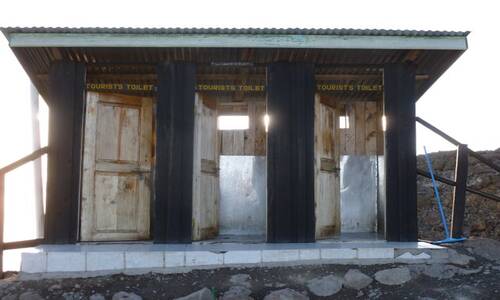
- Hiking Time: 6–8 hours
- Distance: 12 km (7.5 miles
- Ending Elevation: 3,720 m (12,205 ft)
- Overnight at Horombo Hut
- Breakfast, Lunch and Dinner included
Day 4: Acclimatization Day at Horombo Hut
Spend an extra day at Horombo for acclimatization, a key factor for summit success. Take a short acclimatization hike toward Mawenzi Ridge (optional), then return to Horombo for rest. This day improves your body’s adjustment to altitude and increases your chances of reaching the summit.
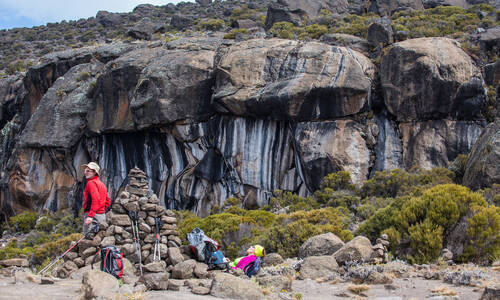
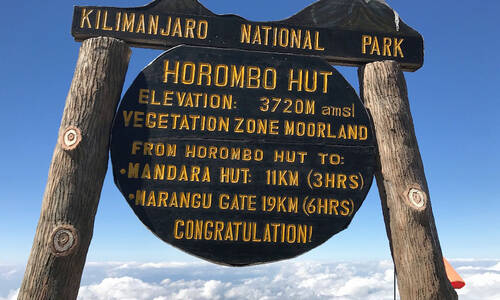
- Elevation: 3,720 m (12,205 ft)
- Overnight at Horombo Hut
- Breakfast, Lunch and Dinner included
Day 5: Horombo Hut to Kibo Hut
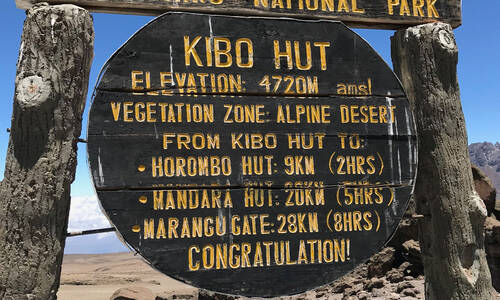
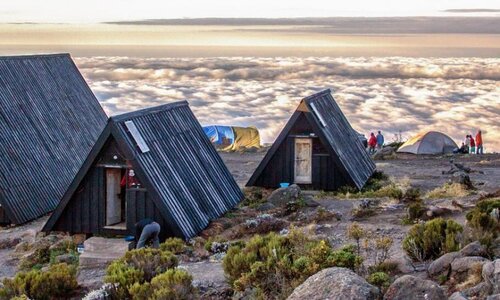
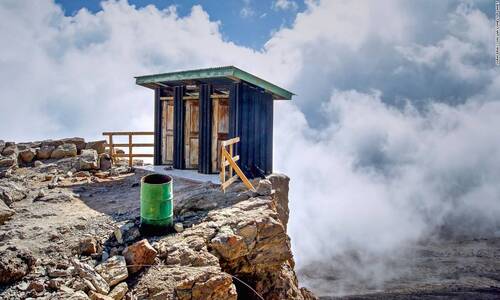
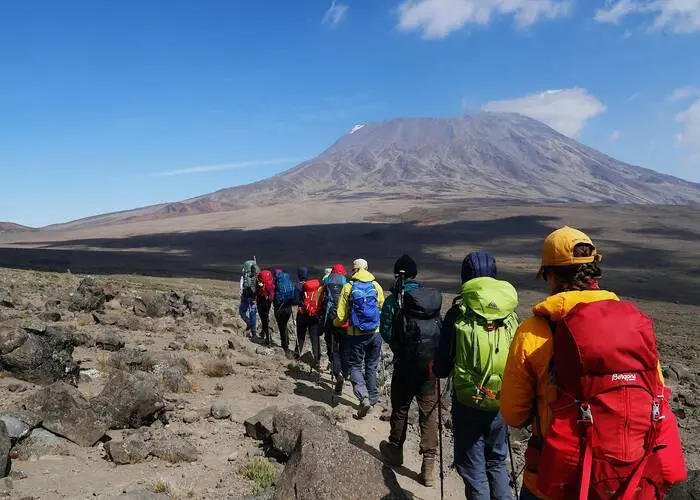
The route today leads through a high-altitude desert landscape. You’ll pass the famous “Last Water Point” and traverse the saddle, a vast, open expanse between the Mawenzi and Kibo peaks. The air is thinner here, and the trail feels more remote and rugged. Upon reaching Kibo Hut, you’ll have an early dinner and head to bed in preparation for the summit attempt later that night.
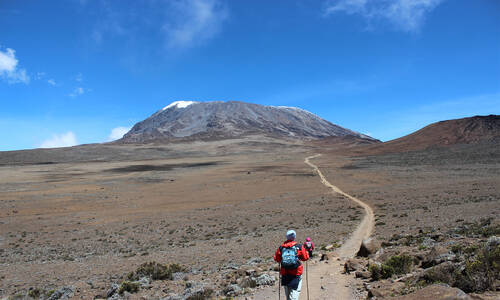
- Hiking Time: 6–8 hours
- Distance: 10 km (6.2 miles)
- Ending Elevation: 4,703 m (15,430 ft)
- Overnight at Kibo Hut
- Breakfast, Lunch and Dinner included
Day 6: Summit Day – Kibo Hut to Uhuru Peak to Horombo Hut
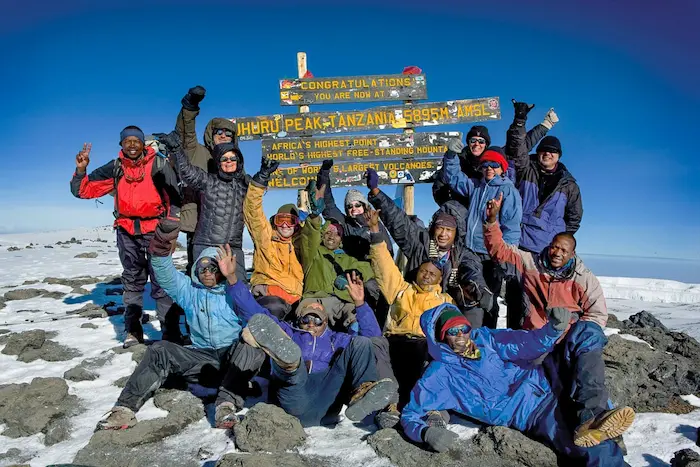
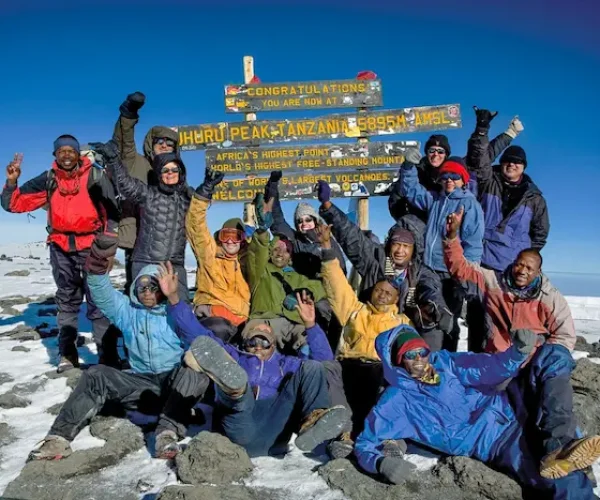
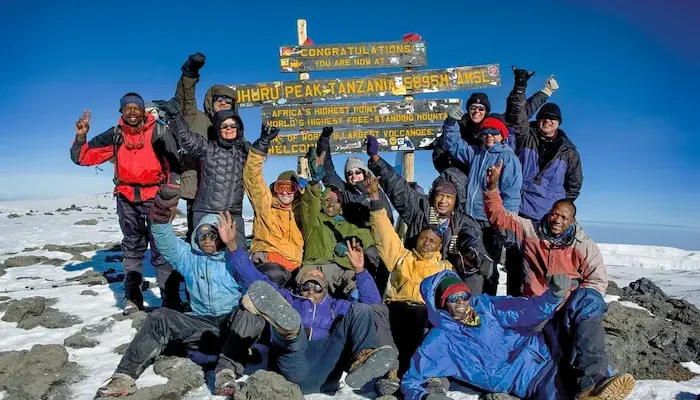
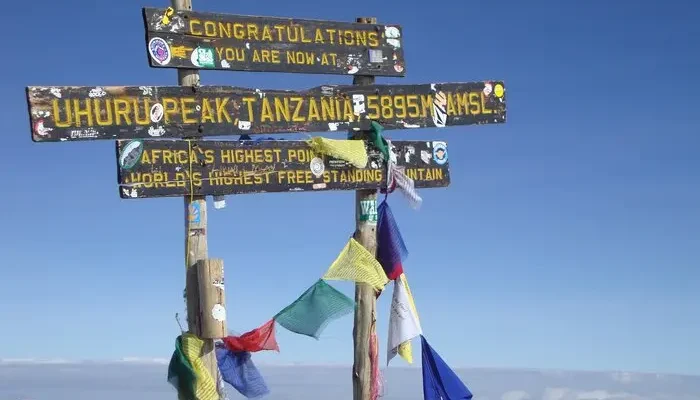
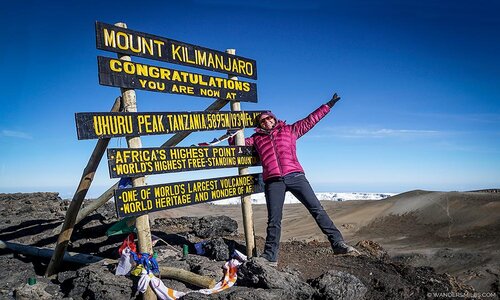
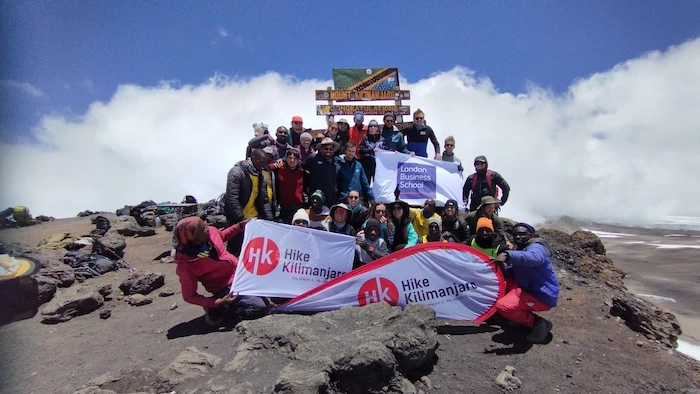
Your summit push begins just after midnight. The trail to Gillman’s Point (5,685 m) is steep and demanding, with switchbacks zigzagging up a rocky slope under starlit skies. From Gillman’s, it’s another 1–2 hours to the summit, Uhuru Peak, the highest point in Africa. Arriving at sunrise, you’ll stand on the Roof of Africa, surrounded by glaciers, volcanic craters, and endless sky.
After enjoying your achievement, descend carefully back to Kibo Hut for a short rest and meal before continuing further downhill to Horombo Hut, where you’ll spend the night.
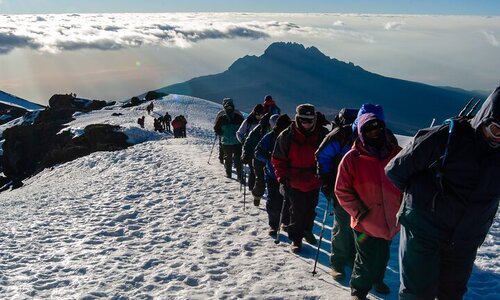
- Hiking Time: 12–16 hours
- Total Distance: 21 km (13 miles)
- Ending Elevation: 3,720 m (12,205 ft)
- Uhuru Peak: 5,895 m (19,341 ft)
- Overnight at Horombo Hut
- Breakfast, Lunch and Dinner included
Day 7: Horombo Hut to Marangu Gate – Transfer to Arusha or Moshi
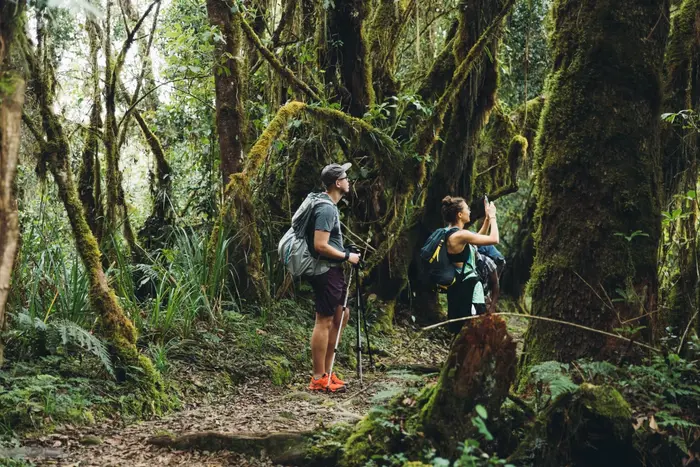
On your final day, you’ll descend through the lush montane rainforest, surrounded by the rich sights and sounds of Kilimanjaro’s vibrant lower slopes. The trail can be muddy and slippery, especially after rainfall, so we recommend using trekking poles and stepping with care.
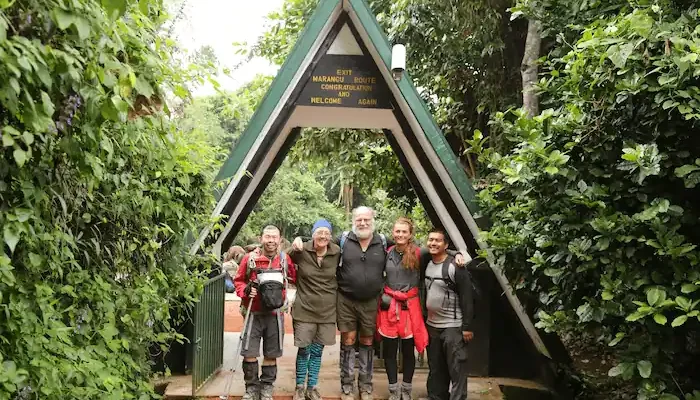
Upon arrival at Marangu Gate, you’ll receive your official Kilimanjaro summit certificate from the national park authorities, a proud token of your achievement in reaching Uhuru Peak. A freshly prepared hot lunch will be served at the gate.
Your Hike Kilimanjaro driver will be ready to welcome you and transfer you back to Moshi. It’s the perfect moment to relax, reflect on your unforgettable journey, and celebrate your successful summit of Africa’s highest mountain.

- Hiking Time: 6–7 hours
- Distance: 20 km (12.4 miles)
- Elevation: 1,870 m (6,135 ft)
- Overnight at Weruweru River Lodge or similar
- Breakfast, Lunch and Dinner included
Day 8: Departure Day
After breakfast, depending on your flight schedule, you will be transferred to Kilimanjaro International Airport (JRO) for your departure.
- Breakfast included
Note:
Check-out time at the hotel is 10:00 AM. If your flight is scheduled for the evening or night, you may book a day-use room to rest and freshen up before your departure. Please inform us in advance if you would like us to reserve a room for you.
Additional Information
- Confirmation will be received at time of booking
- This safari operates year-round.
- A valid passport copy is required.
- Travel insurance is highly recommended.
- Comfortable safari clothing and walking shoes are recommended.
- Bring sunscreen, sunglasses, hat, camera, and binoculars.
- Wildlife sightings cannot be guaranteed but opportunities are excellent throughout the year.
- Hot Air Balloon Safari available for an additional USD 550 per person.
- Optional Serengeti to Zanzibar flight available for an additional USD 250 per person.
- International flights are not included
- Tanzania visa fees are not included.
- Tips for your safari guide and lodge staff are not included.
- Personal expenses are not included.
Cancellation Policy
- More than 60 days before departure: Deposit refundable less bank charges.
- 30–59 days before departure: a 50% cancellation fee applies.
- 15–29 days before departure: 75% cancellation fee.
- Less than 15 days before departure: a 100% cancellation fee applies.
Flight information
The best airport to fly into is Kilimanjaro International Airport (JRO), about 45 km from Moshi and 50 km from Arusha. Hike Kilimanjaro Ltd can arrange airport transfers at an additional cost—just send your flight details in advance.
If you can’t fly directly to JRO, you can use Nairobi (NBO) or Dar es Salaam (DAR) and then connect by a short flight, shuttle bus, or private transfer to Moshi or Arusha. Nairobi is closer and often offers more international flight options.
Direct flights to Kilimanjaro are available with airlines such as KLM, Condor, Turkish Airlines, Kenya Airways, Precision Air, Qatar Airways, Ethiopian Airlines, and RwandAir.
Within Tanzania, domestic airlines like Precision Air, Air Tanzania, Fly540, Regional Air, ZanAir, Coastal Aviation, and Air Excel operate regular services.
Shuttle buses and private transfers between Nairobi, Dar es Salaam, Mombasa, Arusha, and Moshi can also be arranged for an extra fee.
Check Availability
Price Includes
- Airport transfers to and from Kilimanjaro International Airport (JRO)
- Two nights’ hotel stay in Arusha (before and after the trek), including breakfast.
- All park entry, hut, and rescue fees included.
- Professional, experienced Wilderness First Responder–certified mountain guides.
- Assistant guides, cooks, and porters supporting you throughout the trek.
- Emergency oxygen cylinder carried on the trek for safety purposes
- Daily health checks with pulse oximeter monitoring.
- All meals on the trek, freshly prepared by our mountain chef.
- Filtered and treated drinking water.
- Kilimanjaro National Park summit certificate.
- Fair wages for guides, cooks, and porters according to Kilimanjaro Porter Project
- Transfer to and from the Kilimanjaro National Park gate
- Orientation and briefing session with your guide before the trek.
Price Excludes
- Flights to and from Tanzania (not included).
- Tanzania entry visa fees (not included).
- Travel insurance (mandatory, covering high-altitude trekking and emergency evacuation).
- Tips for guides, porters, and cooks (optional; recommended guidelines provided).
- Personal trekking gear (e.g., sleeping bags, trekking poles, etc.).
- Lunch and dinner in Arusha (breakfast included at the hotel).
- Extra hotel nights beyond the itinerary, if needed.
- Personal expenses like souvenirs, snacks, and laundry.
- Beverages other than those served with meals (soft drinks, alcohol)
- Extra activities or tours outside the main trek itinerary.
- Day-use hotel room after check-out for late departures (extra cost).
- Portable power banks or solar chargers for electronic devices
Packing List for 6 Days Marangu Route Trek
Essential gear and equipment for a safe and comfortable trek with Hike Kilimanjaro Ltd. Proper preparation is crucial for a successful climb.
Head & Neck Gear (Essential Accessories)
- Sun hat or cap with a wide brim or neck cover
- Knitted hat or beanie for warmth at higher altitudes.
- Scarf, neck gaiter, or buff for protection against dust, wind, and cold.
- Headlamp with extra batteries, essential for summit night.
- Sunglasses with high UV protection and polarized lenses
Torso (Upper Body Clothing)
- Technical fabric base layers: one light for warm days and one heavier for cold conditions (synthetic or merino wool recommended).
- Technical trekking shirts: 2 short-sleeve and 2 long-sleeve, breathable and moisture-wicking.
- Fleece jacket or pullover to stay warm during cool mornings and evenings.
- Insulated down or synthetic jacket, optional but strongly recommended for summit-night warmth.
- Waterproof, windproof shell jacket with hood (Gore-Tex or similar) for rain and wind protection.
Lower Body (Legwear)
- Technical fabric base layer leggings (lightweight for warmer days, heavier thermal for cold nights)
- Hiking pants (2 pairs; lightweight, quick-dry, and breathable)
- Comfortable pants (for relaxing at camp and sleeping, such as joggers or fleece pants)
- Waterproof and windproof shell pants (to wear over hiking pants in rain or high winds; essential)
- Hiking shorts (optional) for lower, warmer sections of the mountain.
Hands
- Lightweight liner gloves (wool or technical fabric) for mild conditions or as a base layer.
- Insulated outer gloves or mittens, waterproof and windproof, essential for summit night and cold conditions.
Feet
- Warm socks (wool or technical fabric) for cold nights and summit day.
- Hiking socks (multiple pairs), moisture-wicking and breathable.
- Liner socks (optional, silk or synthetic) to help prevent blisters.
- Trekking or hiking boots that are waterproof, insulated, and properly broken-in.
- Ice cleats or microspikes (recommended December–February) for traction on icy or slippery high-altitude slopes.
- Casual shoes, like sneakers or slip-ons, for use around camp after trekking.
- Gaiters: lightweight for dust or heavy-duty for snow in the wet season.
- Tip: Bring enough socks to change regularly, keeping your feet dry and blister-free.
First Aid Kits and Personal Medications
- Note: Our guides carry a basic first aid kit and essential medications, but we recommend bringing your own personal kit for any specific needs.
- Sunscreen (SPF 30+) for protection against high-altitude sun exposure.
- Lip balm with SPF protection.
- Antiseptic ointment for cuts, blisters, or minor wounds.
- Cough syrup to soothe the throat in dry air and cold temperatures.
- Mosquito repellent for lower elevations or pre- and post-trek use.
- Tip: Always consult your doctor before traveling to ensure you have appropriate medications for high-altitude trekking.
Other Essentials
- Passport, valid and with required visas
- Reusable water bottles (recommended: two 1 L bottles).
- Hydration bladder (e.g., CamelBak) with 2–3 L capacity, useful for summit night.
- Water purification tablets or UV purifier (optional; filtered water is provided but useful as a backup).
- Toiletry kit including toothbrush, toothpaste, wet wipes, hand sanitizer, and similar essentials.
- Quick-dry towel (small or medium size).
- High-protein snacks, such as energy bars, trail mix, or nuts.
- Waterproof or dry bags to protect documents, electronics, and money.
- Airline tickets (provide a copy of your flight details to our office for coordination and schedule updates).
- Tip: Keep important documents in sealed, waterproof pouches to protect them from rain and moisture.
Optional
In Tanzania, you can rent all necessary gear from us or purchase equipment before your trek, with guidance from your Hike Kilimanjaro guide.
Important Luggage and Gear Information
Each participant may bring one duffel bag (10–14 kg) for porters to carry. You’ll also need a daypack with essentials like documents, water, snacks, camera, and extra clothing. Any additional luggage can be stored safely at your hotel in Arusha or Moshi.
Gear Rentals:
6 Days Marangu Route Trek Map
Frequently Asked Questions
What is the 6 Days Marangu Route on Mount Kilimanjaro?
The 6 Days Marangu Route is one of the most popular ways to climb Mount Kilimanjaro. Known as the “Coca-Cola Route,” it is the only route that offers hut accommodation instead of camping and provides an extra acclimatization day compared to the 5-day itinerary.
Is the 6 Days Marangu Route suitable for beginners?
Yes. The 6 Days Marangu Route is often recommended for first-time climbers because of its gradual trail, comfortable hut accommodation, and straightforward path to the summit.
What is the success rate of the 6 Days Marangu Route?
The 6-day itinerary has a significantly higher summit success rate than the 5-day version because the additional acclimatization day helps climbers adjust better to the altitude.
How difficult is the 6 Days Marangu Route?
The route is considered moderately challenging. While the trails are generally well-maintained, reaching Uhuru Peak still requires determination, physical fitness, and proper acclimatization.
Why choose the 6 Days Marangu Route instead of the 5 Days Marangu Route?
The extra day allows for better acclimatization, reduces the risk of altitude sickness, and greatly improves your chances of successfully reaching the summit.
Where does the Marangu Route start?
The route begins at Marangu Gate on the southeastern side of Mount Kilimanjaro and follows the same trail for both ascent and descent.
What type of accommodation is available on the Marangu Route?
The Marangu Route is the only Kilimanjaro route with mountain huts. Climbers stay at Mandara Hut, Horombo Hut, and Kibo Hut instead of sleeping in tents.
How many kilometers is the 6 Days Marangu Route?
The total trekking distance is approximately 72 kilometers (45 miles), including both the ascent and descent.
What is the highest point reached on the Marangu Route?
The highest point is Uhuru Peak at 5,895 meters (19,341 feet), the highest point in Africa.
Is the Marangu Route scenic?
Yes. The route passes through beautiful rainforest, heath, moorland, alpine desert, and arctic summit zones, offering diverse landscapes throughout the climb.
Can I see wildlife on the Marangu Route?
Wildlife is most commonly seen in the rainforest section near Marangu Gate, where climbers may encounter blue monkeys, colobus monkeys, and various bird species
Do I need previous hiking experience?
Previous hiking experience is helpful but not mandatory. Proper preparation and determination are often more important.
How cold does it get during the climb?
Temperatures vary significantly. Summit night can drop well below freezing, while lower elevations are often mild and comfortable.
Is drinking water provided during the trek?
Yes. Drinking water is collected, filtered, and treated daily by the mountain crew to ensure it is safe for consumption.
What is the acclimatization day on the 6 Days Marangu Route?
The acclimatization day is usually spent at Horombo Hut, allowing climbers to rest or take a short hike to a higher altitude before returning to sleep at the hut
What is summit night like on the Marangu Route?
Summit night begins around midnight from Kibo Hut. Climbers hike through the darkness to Gilman’s Point before continuing to Uhuru Peak for sunrise
What is the best time to climb the 6 Days Marangu Route?
The best months are January to March and June to October when weather conditions are generally drier and visibility is excellent.
Are guides and porters included in the climb?
Yes. Professional mountain guides, porters, and cooks accompany climbers throughout the expedition.
Is travel insurance required?
Comprehensive travel insurance that covers high-altitude trekking and emergency evacuation is strongly recommended.
Do I need technical climbing experience for the Marangu Route?
The Marangu Route is a trekking route and does not require ropes, technical climbing skills, or mountaineering experience.
What should I pack for the 6 Days Marangu Route?
Essential items include warm clothing, waterproof gear, hiking boots, gloves, a headlamp, trekking poles, sunglasses, and a quality sleeping bag.
Is altitude sickness a concern on the Marangu Route?
Yes. Altitude sickness can affect any climber regardless of fitness level. The extra acclimatization day included in the 6-day itinerary helps reduce this risk.
How does the Marangu Route compare to the Machame Route?
The Marangu Route offers hut accommodation and a more direct trail, while the Machame Route provides more varied scenery and generally better acclimatization due to its longer profile.
Why book the 6 Days Marangu Route with Hike Kilimanjaro?
Hike Kilimanjaro provides experienced mountain guides, quality service, safety-focused climbs, personalized support, and carefully planned itineraries designed to maximize your summit success while ensuring an unforgettable Kilimanjaro experience.
These full and frank reviews are from travelers who have traveled with Hike Kilimanjaro previously. The reviews and experiences shown here are from reputable travel websites like TripAdvisor, Google, Facebook, and Trust Pilot, etc.
Similar Kilimanjaro Treks
USD 2,215 / person
See Group Booking Discount
No. of People
Price per person
-
1 Pax $ 2460
-
2 Pax $ 2,215
-
3 - 6 Pax $ 2,035
-
7 - 10 Pax $ 1,935
-
11+ Pax $ 1,775
Speak to an Expert

Maxon

- WhatsApp +255 692 406 444