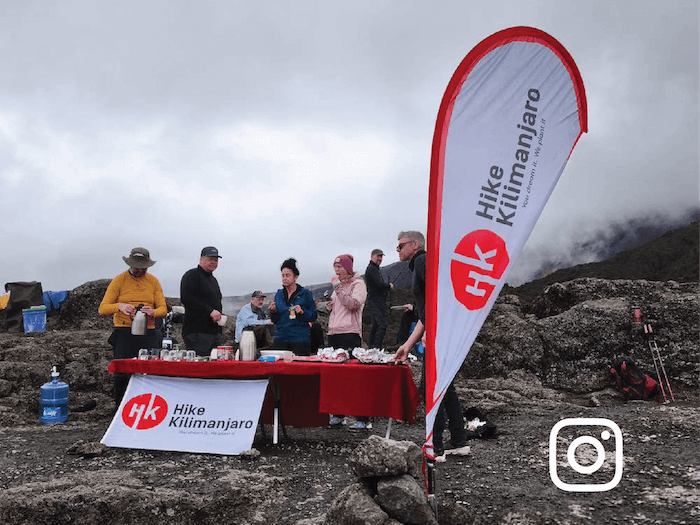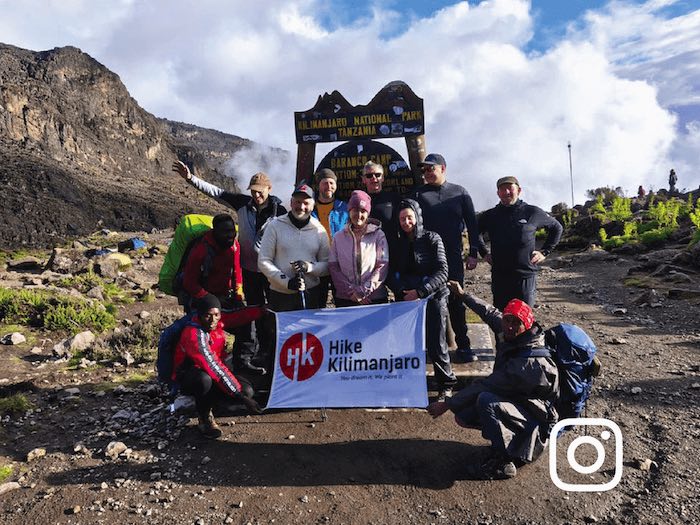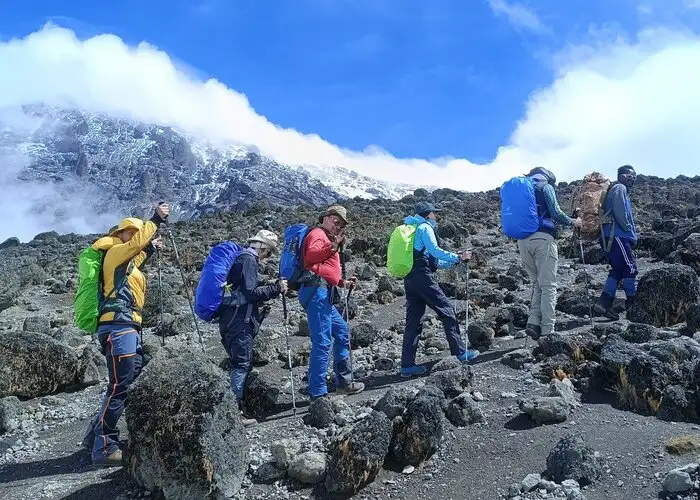
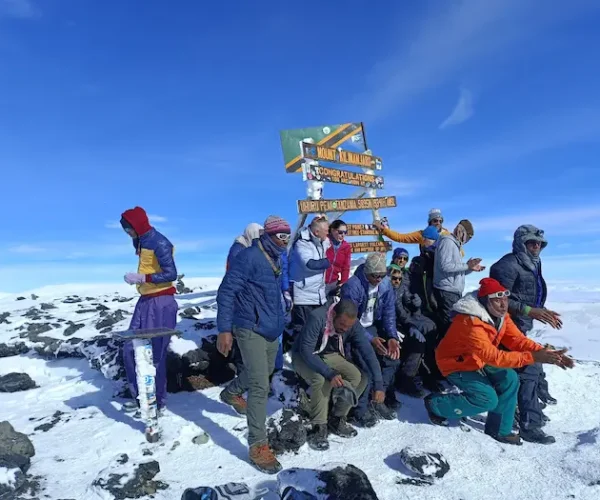
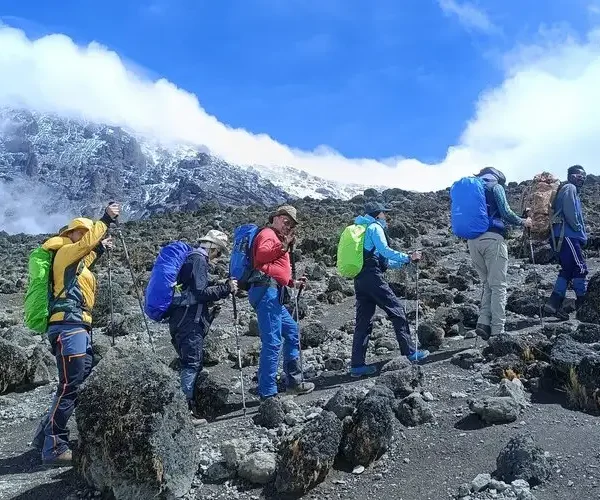
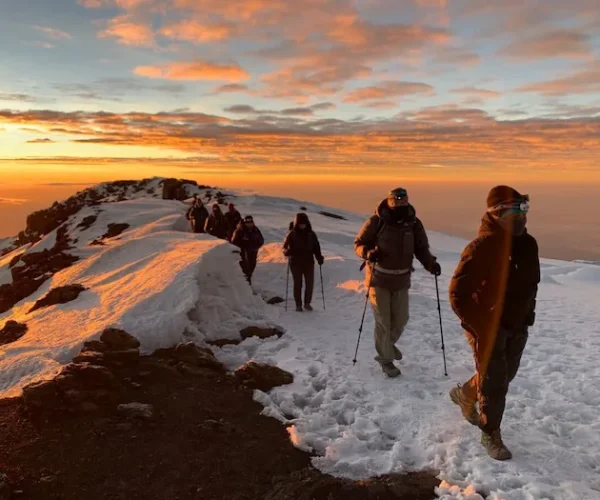
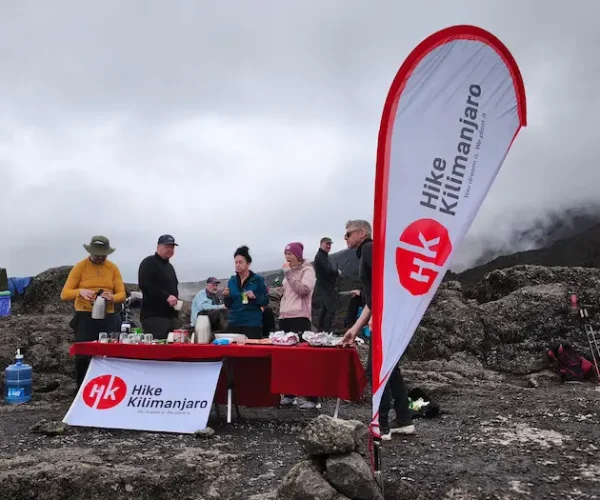
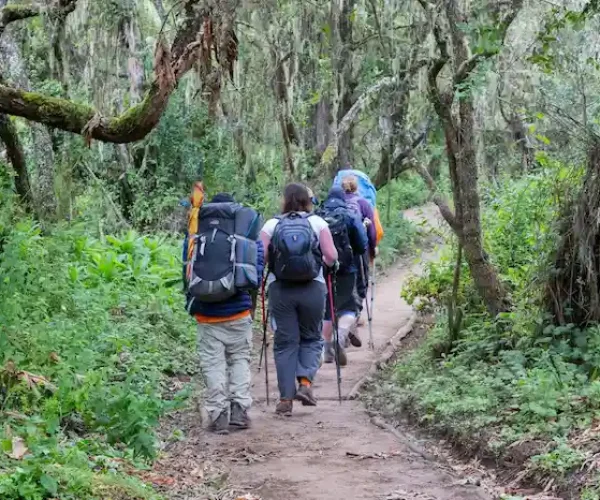
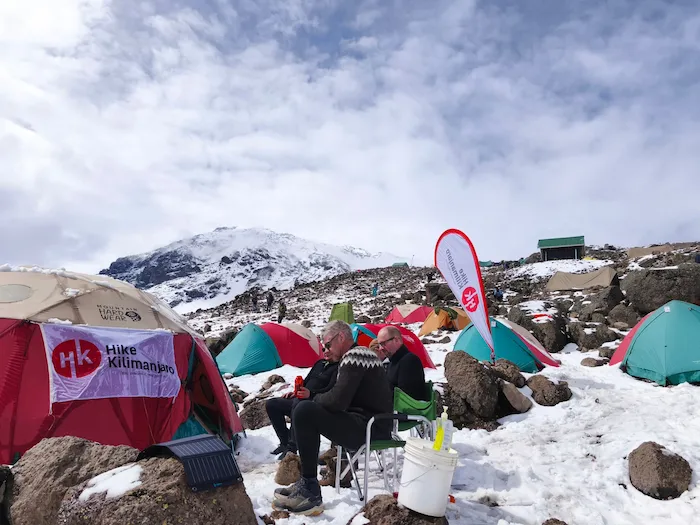
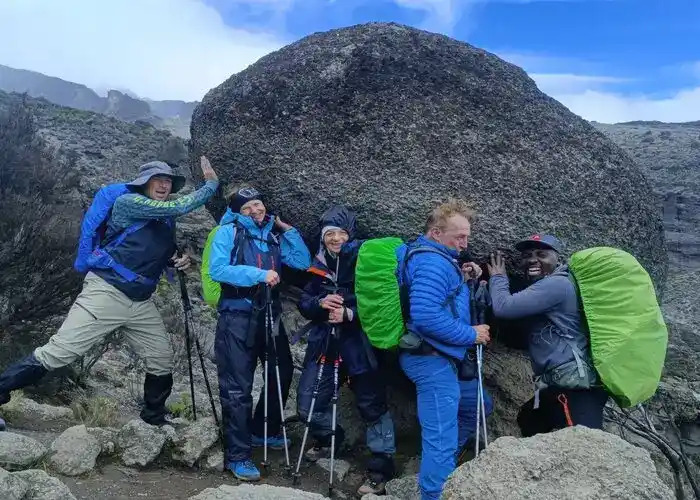
The day begins with the thrilling ascent of the Barranco Wall, a challenging yet highly rewarding scramble that offers stunning panoramic views. After conquering the wall, the trail winds through scenic alpine valleys as we make our way to Karanga Camp (4,035m). The afternoon is reserved for rest and further acclimatization, allowing your body to adjust comfortably to the increasing altitude.
8 Days Lemosho Route Trek
USD 2,995 / person
See Group Booking Discount
No. of People
Price per person
-
1 Pax $ 3,420
-
2 Pax $ 2,995
-
3 - 6 Pax $ 2,870
-
7 - 10 Pax $ 2,580
-
11+ Pax $ 2,520
Mount Kilimanjaro Lemosho Route
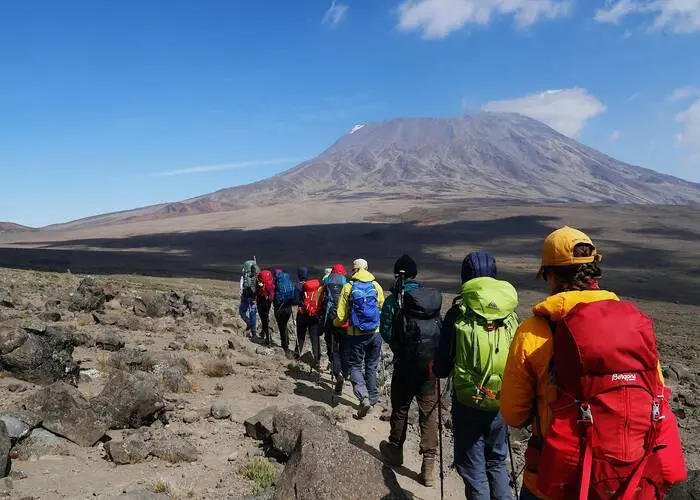
Mount Kilimanjaro can be climbed via several established routes, including Marangu, Machame, Lemosho, Shira, Rongai, and Umbwe. Each route offers a unique trekking experience with different scenery, acclimatization profiles, and levels of difficulty. The Marangu, Machame, and Umbwe routes approach the mountain from the southern slopes, while the Lemosho and Shira routes begin on the western side. The Rongai Route starts from the northern side near the Kenya border. Most climbers descend via the Mweka Route after successfully reaching the summit.
Country
Tanzania
Duration
10 Days
Difficulty
Challenging
Activity
Trekking/Hiking
Max. altitude
5,895m (19,341 ft)
Best season
Jun-Oct, Dec-March
Accomodation
Hotel & Camping
Meals on Trek
Included
Start/End Point
Kilimanjaro Airport
Country
Tanzania
Duration
10 Days
Difficulty
Challenging
Activity
Trekking / Hiking
Max. altitude
5,895m (19,341 ft)
Best season
Jun-Oct, Dec-March
Accomodation
Hotel & Camping
Meals on Trek
Included
Tour Highlights
- Gradual and well-paced ascent for excellent acclimatization and high summit success
- Start from the remote western side of Mount Kilimanjaro with fewer crowds
- Cross the stunning Shira Plateau, one of Africa’s most unique high-altitude landscapes
- Climb to Lava Tower (4,600m) for optimal altitude adaptation
- Conquer the famous Barranco Wall, a thrilling and rewarding highlight
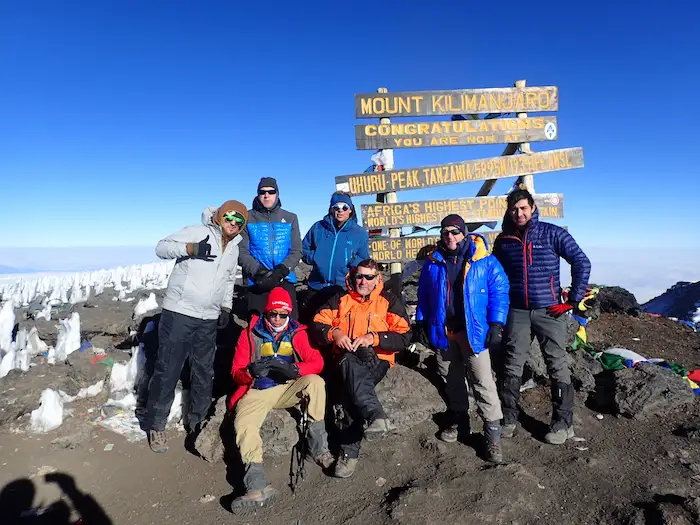
- Summit Uhuru Peak (5,895m), the highest point in Africa
- Trek through rainforest, moorland, alpine desert, and glacial zones
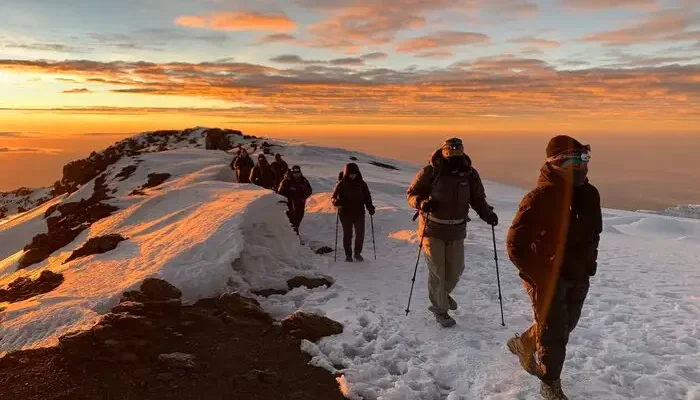
- Spectacular sunrise views from the summit above the clouds
- Supported by expert local guides from Hike Kilimanjaro
- Ideal for climbers seeking a balanced, scenic, and high-success route
Climbing Mount Kilimanjaro Lemosho Route
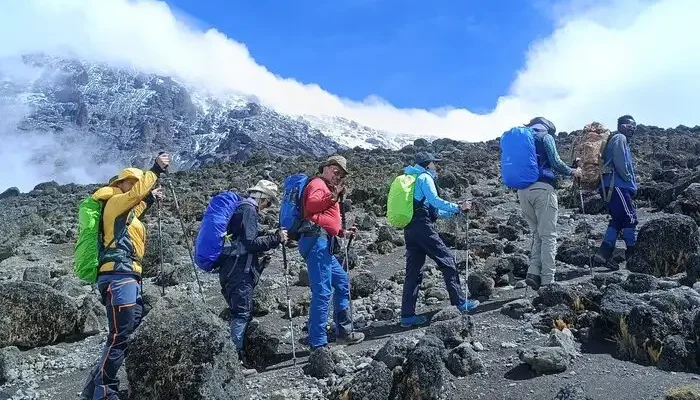
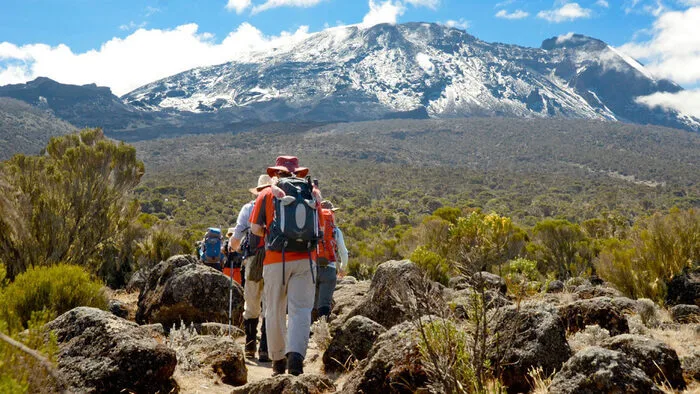
The Lemosho Route is widely regarded as one of the most scenic and successful routes on Mount Kilimanjaro. Beginning on the remote western side of the mountain at Londorossi Gate, this route offers a quieter and more exclusive trekking experience compared to other popular routes. The trail passes through pristine rainforest, expansive moorlands, and the stunning Shira Plateau before joining the southern circuit of the mountain.
One of the greatest advantages of the Lemosho Route is its excellent acclimatization profile. The longer itinerary allows climbers more time to adjust to the altitude, significantly increasing the chances of reaching Uhuru Peak (5,895m), the highest point in Africa. Along the way, trekkers are rewarded with spectacular views, diverse landscapes, and occasional wildlife sightings, including buffalo, antelope, and other animals found in the mountain’s lower forest zones.
The route continues through Lava Tower and Barranco Valley before approaching the summit via Barafu Camp. With its combination of breathtaking scenery, lower traffic, and high summit success rates, the Lemosho Route is considered one of the best ways to experience Mount Kilimanjaro.
8 Days Lemosho Route Trek Itinerary
Day 01: Arrival in Tanzania
Upon arrival at Kilimanjaro International Airport (JRO), a Hike Kilimanjaro Ltd representative will greet you and provide a transfer to Planet Lodge in Arusha or a similar lodge. After check-in, you will attend a comprehensive briefing with your guide, including a gear check to ensure you are fully prepared for the trek.
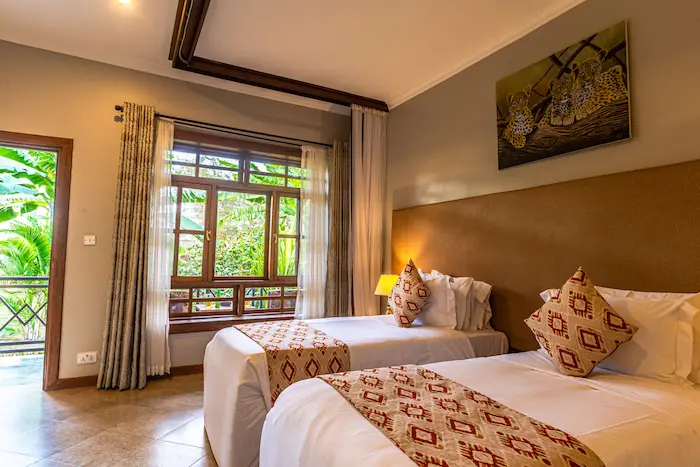
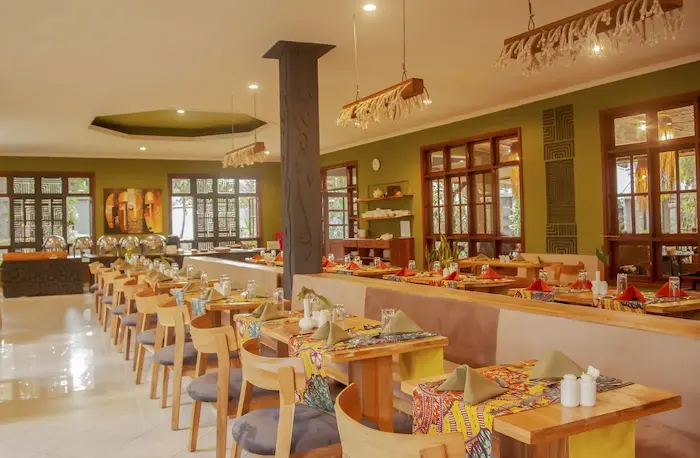
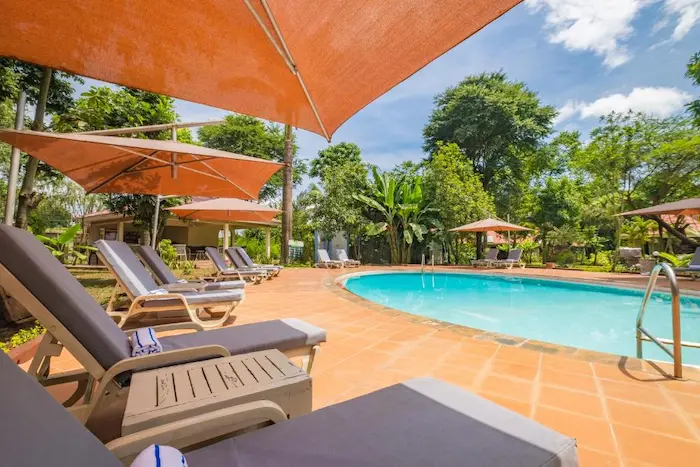
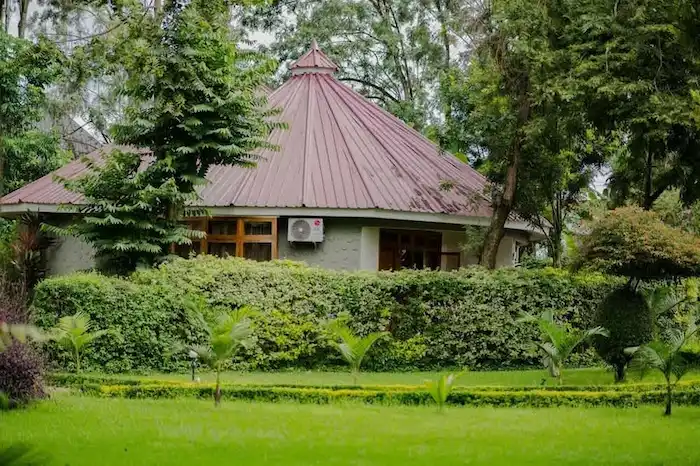
- Overnight at Planet Lodge
- Breakfast included
Note: Your pre-trek briefing will be conducted at our office for arrivals before 4:00 PM. For guests arriving later in the evening, the briefing will instead take place at your hotel.
Kindly bring a copy of your passport and a clear copy of your travel insurance policy. These are mandatory for securing your trekking permits and completing official park registration procedures.
Please be aware that hotel check-in begins at 12:00 PM. If you land early in the morning, inform us in advance. We can arrange a day-use room or organize optional short excursions while you wait for your room to be ready.
Day 2: Transfer to Lemosho Gate (2,100m) – Trek to Mti Mkubwa Camp (2,820m)
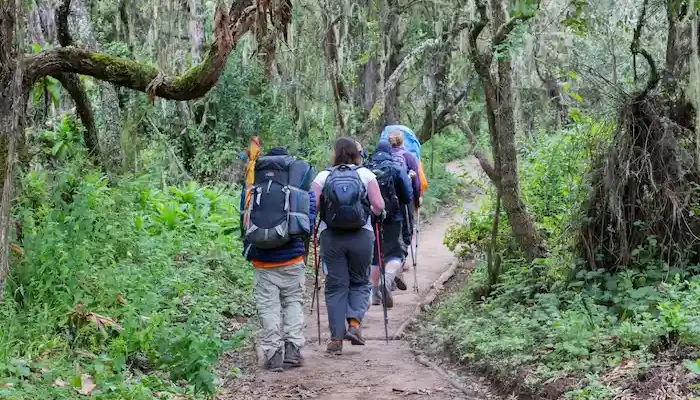
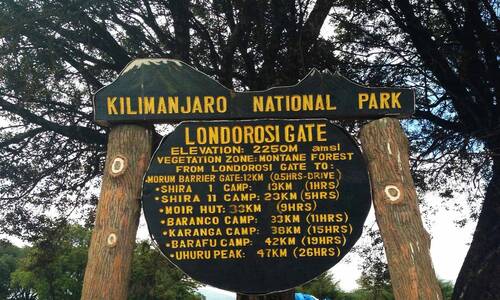
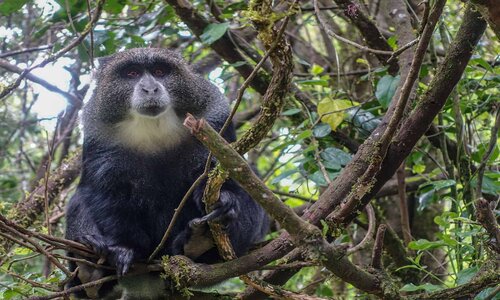
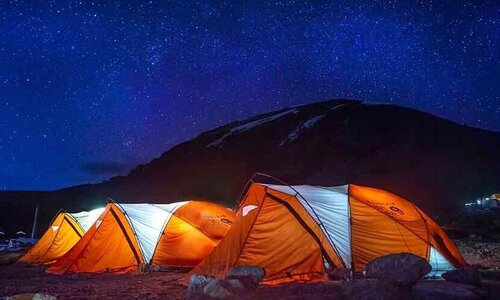
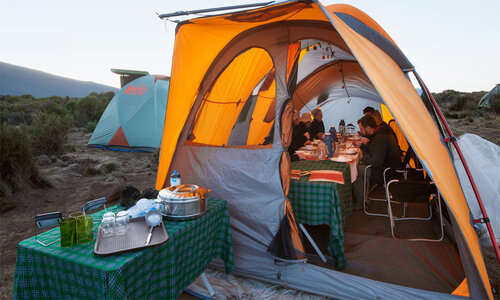
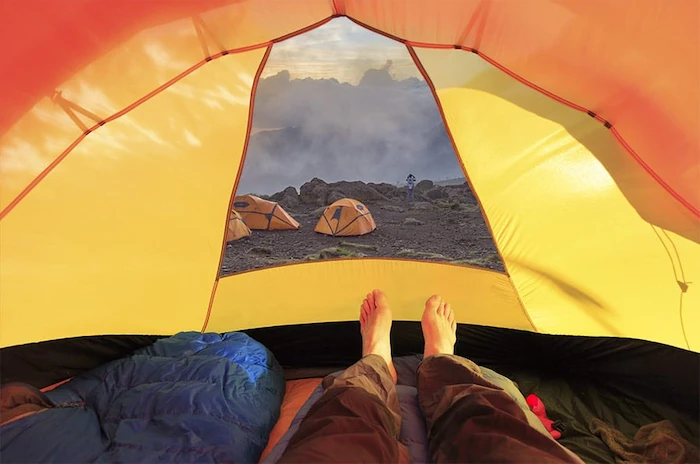
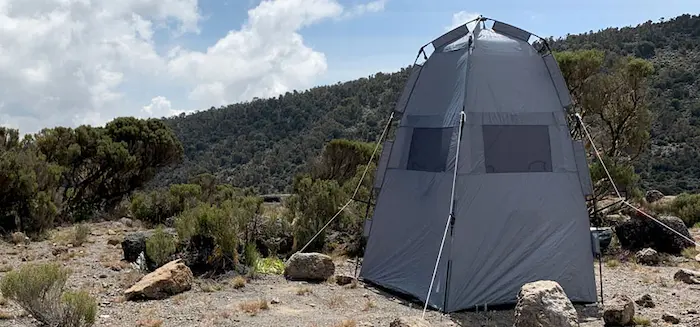
After breakfast, we depart Arusha for a scenic 3–4 hour drive to Lemosho Gate, the western entry point of Mount Kilimanjaro. Once park registration is completed, your trek officially begins in the lush rainforest, where towering trees and the calls of black-and-white colobus monkeys surround the trail. The path rises steadily and gently, allowing your body to adjust as we make our way to Mti Mkubwa Camp, where we spend our first night on the mountain.
- Hiking Time: 3–4 hours
- Distance: 7 km
- Elevation Gain:720 m
- Overnight at Mti Mkubwa Camp
- Breakfast, Lunch and Dinner included
Day 3: Mti Mkubwa Camp to Shira Camp 1 (3,500m) – Trek Across the Shira Plateau
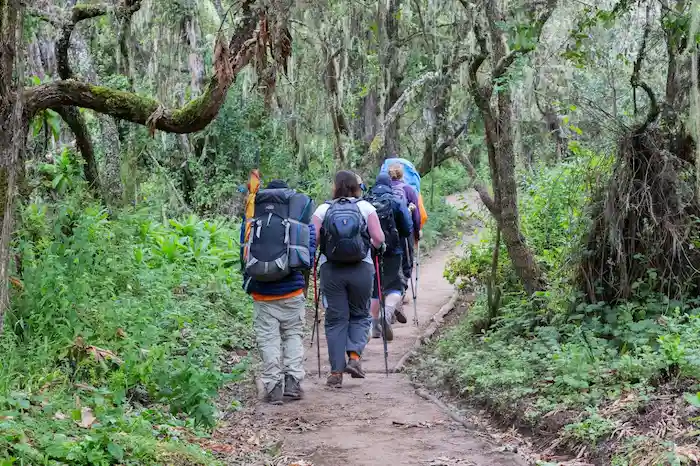
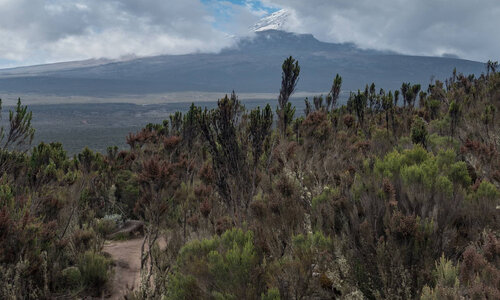
Leaving the dense rainforest behind, the trail gradually opens into the heather and moorland landscape, revealing wide skies and dramatic scenery. The steady ascent offers impressive views across the Shira Plateau as the vegetation becomes lower and more alpine. By afternoon, we arrive at Shira Camp 1, where you can unwind and take in the vast, open views stretching across the mountain.
- Hiking Time: 5–6 hours
- Distance: 8 km
- Elevation Gain: 680 m
- Overnight at Shira Camp 1
- Breakfast, Lunch and Dinner included
Day 4: Shira Camp 1 (3,505m) to Shira Camp 2 (3,900m) – Crossing the Shira Plateau
Today’s journey takes us across the wide-open Shira Plateau as we trek from Shira Camp 1 (3,505m) to Shira Camp 2 (3,900m). This section is a steady, moderate walk eastward over rolling moorland, allowing for a comfortable pace that supports proper acclimatization. The expansive plateau offers sweeping mountain views and a true sense of high-altitude wilderness.
In the afternoon, you may choose to take an optional acclimatization hike toward Shira Cathedral near the Lent Hills, a quiet and less-visited area ideal for short elevation gains before returning to camp. The gradual increase in altitude combined with the open terrain makes this day both physically manageable and strategically important for adjusting to the mountain.
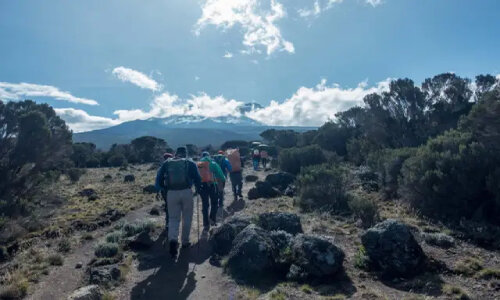
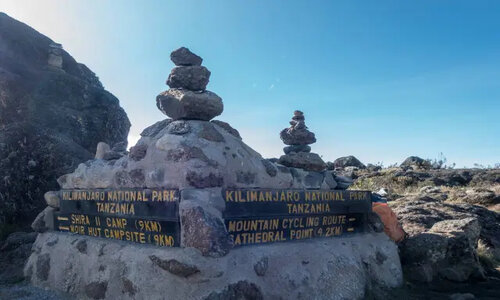
- Hiking Time: 3–4 hours
- Distance: 10 km
- Elevation Gain: 450 m
- Elevation Loss: 55 m
- Overnight at Barranco Camp
- Breakfast, Lunch and Dinner included
Day 5: Shira Camp 2 to Lava Tower (4,630m) – Descend to Barranco Camp (3,960m)
Today is an important acclimatization day on the mountain. We gradually ascend to Lava Tower (4,630m), where we stop for lunch and experience a higher altitude before descending. After spending time at elevation, we continue down to Barranco Camp (3,960m), set beneath the impressive Barranco Wall. This proven “climb high, sleep low” approach allows your body to adapt more effectively to the increasing altitude, improving your chances of a successful summit.

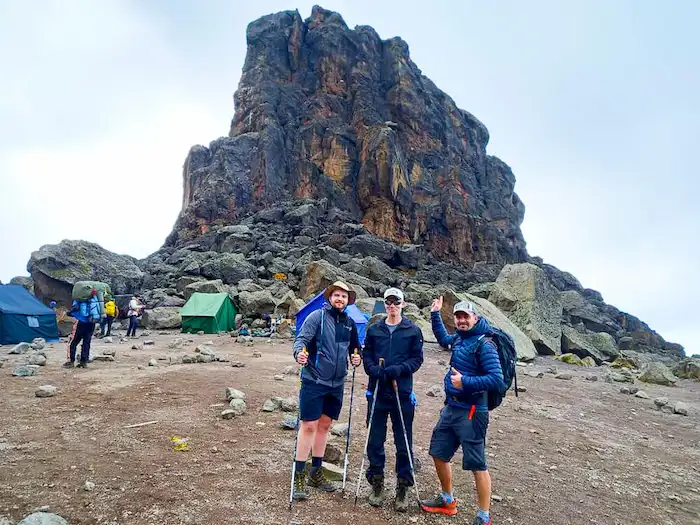
- Hiking Time: 6–7 hours
- Distance: 10 km
- Elevation Gain: 730 m
- Elevation Loss: 670 m
- Overnight at Barranco Camp
- Breakfast, Lunch and Dinner included
Day 6: Barranco Camp to Karanga Camp (4,035m) – Overcoming the Barranco Wall
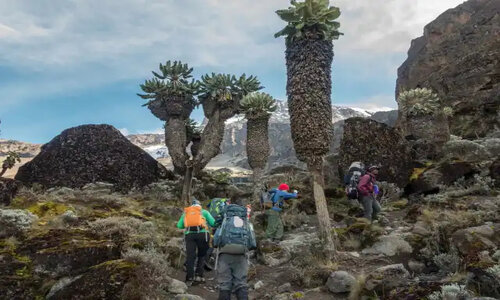
- Hiking Time: 4–5 hours
- Distance: 5 km
- Elevation Gain: 75 m
- Overnight at Karanga Camp
- Breakfast, Lunch and Dinner included
Day 7: Karanga Camp to Barafu Camp (4,640m) – Final Ascent Base Camp
After a relaxed breakfast, we begin the ascent from Karanga Camp to Barafu Camp (4,640m), the base for our summit attempt. Arriving early allows time to rest, rehydrate, and mentally prepare for the challenging midnight climb to Uhuru Peak.

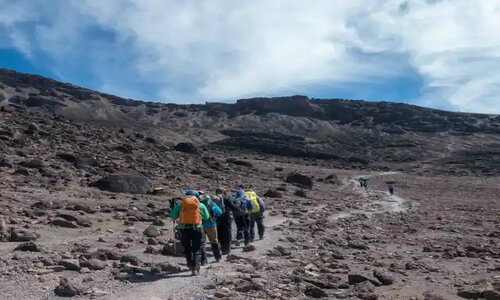
- Hiking Time: 3–4 hours
- Distance: 4 km
- Elevation Gain: 605 m
- Overnight at Barafu Camp
- Breakfast, Lunch and Dinner included
Day 8: Barafu Camp to Uhuru Peak (5,895m) – Descend to Millennium Camp (3,820m) – Summit Day
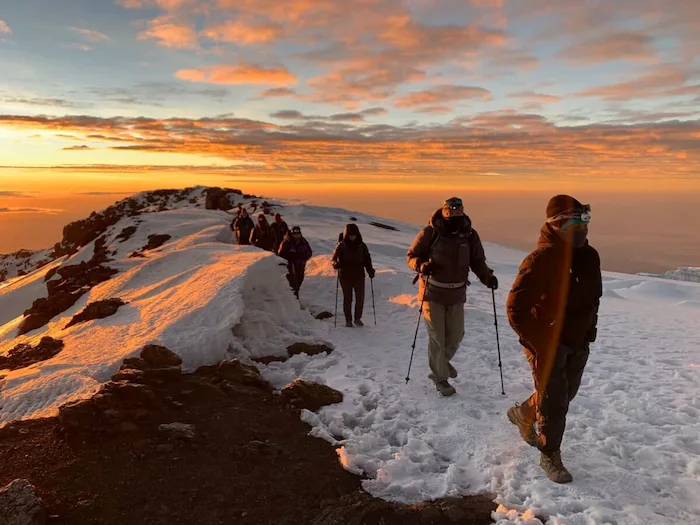
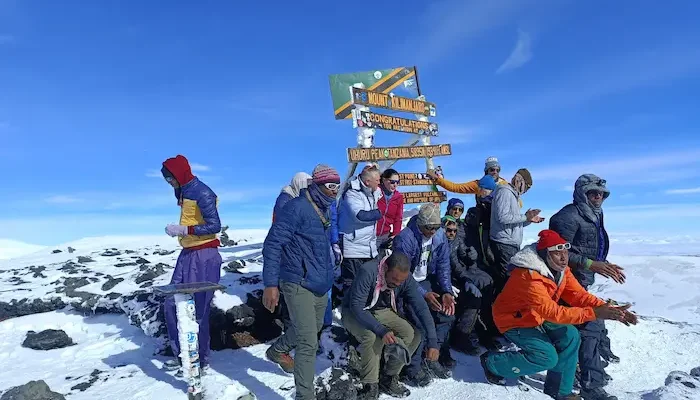
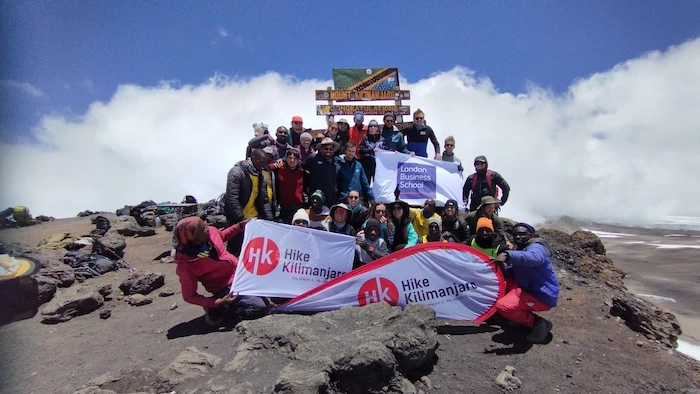
We begin our summit attempt around midnight, climbing slowly but steadily toward Stella Point (5,739m) and onward to Uhuru Peak, the highest point in Africa. After celebrating your achievement and capturing unforgettable summit photos, we descend to Barafu Camp for a short rest before continuing down to Millennium Camp (3,820m).
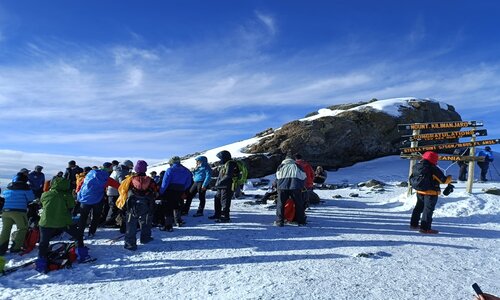
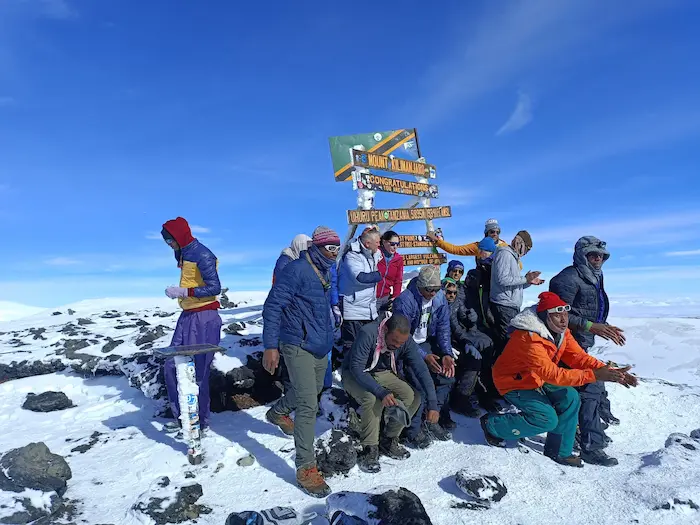
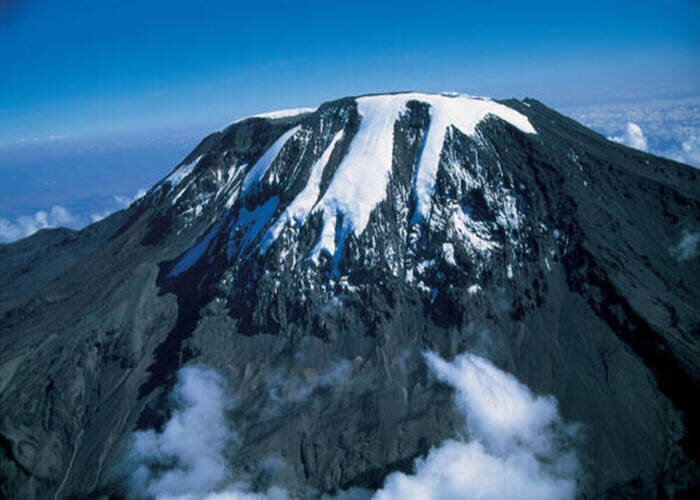
- Hiking Time: 12–14 hours
- Distance: 15 km
- Elevation Gain: 1,255 m
- Elevation Loss: 2,075 m
- Overnight at Millennium Camp
- Breakfast, Lunch and Dinner included
Day 9: Millennium Camp to Mweka Gate (1,640m) – Return to Arusha
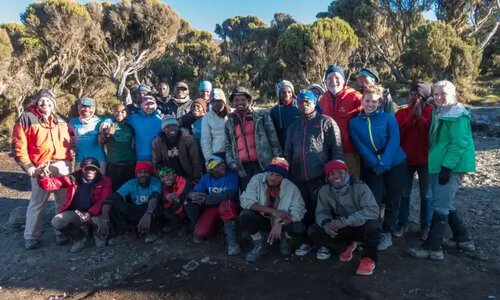
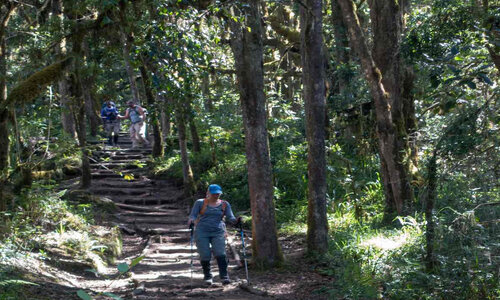
On your final day, you’ll descend through the lush montane rainforest, absorbing the sights and sounds of Kilimanjaro’s vibrant lower slopes. The trail may be muddy and slippery, particularly after rain, so trekking poles and careful footing are recommended.
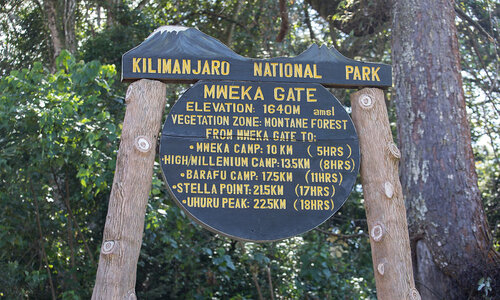
Upon reaching Mweka Gate, you’ll be awarded your well-earned summit certificate from the Kilimanjaro National Park authorities a proud moment celebrating your successful climb to Uhuru Peak. Your Hike Kilimanjaro driver will be ready to transfer you to Mweka Village, where a freshly prepared picnic lunch awaits.
After lunch, continue the return journey to Arusha or Moshi, offering the perfect opportunity to reflect on your unforgettable adventure and celebrate your achievement of conquering Africa’s highest peak.
- Hiking Time: 4–5 hours
- Distance: 10 km
- Elevation Loss: 2,180 m
- Overnight at Planet Lodge or similar
- Breakfast included
Day 10: Departure Day
After breakfast, and according to your flight schedule, you will be transferred to Kilimanjaro International Airport (JRO) for your departure, marking the conclusion of your unforgettable Kilimanjaro journey.
- Breakfast included
Note:
Check-out time at the hotel is 10:00 AM. If your flight is scheduled for the evening or night, you may book a day-use room to rest and freshen up before your departure. Please inform us in advance if you would like us to reserve a room for you.
Additional Information
- Confirmation will be received at time of booking
- This safari operates year-round.
- A valid passport copy is required.
- Travel insurance is highly recommended.
- Comfortable safari clothing and walking shoes are recommended.
- Bring sunscreen, sunglasses, hat, camera, and binoculars.
- Wildlife sightings cannot be guaranteed but opportunities are excellent throughout the year.
- Hot Air Balloon Safari available for an additional USD 550 per person.
- Optional Serengeti to Zanzibar flight available for an additional USD 250 per person.
- International flights are not included
- Tanzania visa fees are not included.
- Tips for your safari guide and lodge staff are not included.
- Personal expenses are not included.
Cancellation Policy
- More than 60 days before departure: Deposit refundable less bank charges.
- 30–59 days before departure: a 50% cancellation fee applies.
- 15–29 days before departure: 75% cancellation fee.
- Less than 15 days before departure: a 100% cancellation fee applies.
Flight information
The most convenient airport for Kilimanjaro climbers is Kilimanjaro International Airport (JRO), located approximately 45 km from Moshi and 50 km from Arusha. Hike Kilimanjaro Ltd can arrange airport transfers between JRO and your hotel for a smooth start and end to your trek. Transfers are available at an additional cost. Simply provide your flight details in advance, and we’ll take care of the arrangements.
Alternative International Airports
If you cannot secure a direct flight to Kilimanjaro, consider flying into:
Nairobi International Airport (NBO), Kenya
Julius Nyerere International Airport (DAR), Dar es Salaam, Tanzania
From these airports, you can reach Kilimanjaro via:
A connecting flight to Kilimanjaro International Airport (JRO)
A shuttle bus or private transfer to Moshi or Arusha, where your trek begins
Tip: Nairobi is geographically closer to Kilimanjaro than Dar es Salaam and often provides more international flight options at competitive prices.
Direct International Flights to Kilimanjaro (JRO)
Several major airlines operate direct routes to Kilimanjaro International Airport:
| Airline | Route |
|---|---|
| KLM | Amsterdam → Kilimanjaro |
| Condor | Frankfurt → Kilimanjaro |
| Turkish Airlines | Istanbul → Kilimanjaro |
| Kenya Airways | Nairobi → Kilimanjaro |
| Precision Air | Nairobi → Kilimanjaro |
| Qatar Airways | Doha → Kilimanjaro |
| Ethiopian Airlines | Addis Ababa → Kilimanjaro |
| RwandAir | Kigali → Kilimanjaro |
If no direct flights are available from your location, you can connect via Dar es Salaam or Nairobi.
Domestic Flights within Tanzania
For internal travel, the following airlines offer regular services:
- Precision Air
- Air Tanzania
- Fly540
- Regional Air
- ZanAir
- Coastal Aviation
- Air Excel
Bus and Shuttle Transfers
Daily shuttle services can be arranged between Nairobi, Arusha, and Moshi for an additional fee. Sample schedules (subject to change):
| Route | Departure | Arrival |
|---|---|---|
| Nairobi → Arusha | 08:00 | 14:00 |
| Nairobi → Arusha | 14:00 | 18:30 |
| Nairobi → Moshi | 08:00 | 15:30 |
| Moshi → Nairobi | 06:00 | 14:00 |
| Arusha → Nairobi | 08:00 | 14:00 |
| Moshi → Nairobi | 10:30 | 18:30 |
| Arusha → Nairobi | 14:00 | 18:30 |
Private Transfers
For maximum comfort and flexibility, private transfers can be arranged between:
Nairobi ↔ Arusha / Moshi
Dar es Salaam ↔ Arusha / Moshi
Mombasa ↔ Arusha / Moshi
Private transfers are available at an additional cost. Contact us for current rates and arrangements.
Check Availability
Price Includes
- Airport transfers (to and from Kilimanjaro International Airport)
- Two nights hotel accommodation in Arusha (one night before and one night after the trek, with breakfast included)
- All park entry fees, camping fees, and rescue fees
- Professional, experienced mountain guides (Wilderness First Responder certified)
- Assistant guides, cooks, and porters to support you throughout the trek
- Private portable toilet for group use on the mountain
- Emergency oxygen cylinder carried on the trek for safety purposes
- Pulse oximeter monitoring (daily health checks)
- Comfortable, high-quality, four-season mountain tents (shared by two climbers)
- Sleeping mattress
- All meals during the trek (breakfast, lunch, dinner), freshly prepared by our mountain chef
- Drinking water (filtered and treated)
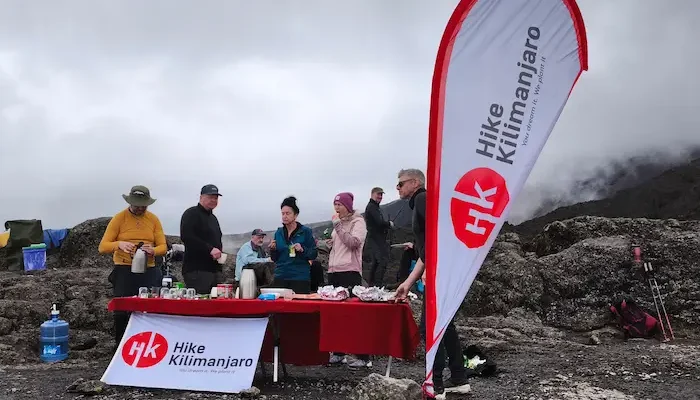
- Table and chairs for meals at camp
- Mess tent for dining and shelter
- Summit certificate from Kilimanjaro National Park
- Fair wages for guides, cooks, and porters (following Kilimanjaro Porter Assistance Project guidelines)
- Transfer to and from the Kilimanjaro National Park gate
- Pre-climb briefing with your guide
Price Excludes
- International airfare to and from Tanzania
- Tanzania entry visa fees
- Travel insurance (mandatory and must cover high-altitude trekking and emergency evacuation)
- Tips for guides, porters, and cooks (recommended guidelines will be provided)
- Personal trekking gear (sleeping bags, trekking poles, etc.)
- Lunch and dinner in Arusha (except breakfast at the hotel)
- Additional hotel nights beyond those included in the itinerary (if required)
- Personal expenses (such as souvenirs, snacks, and laundry)
- Beverages other than those served with meals (soft drinks, alcohol)
- Optional activities or excursions before or after your trek
- Half-day room use if your departure flight is late and you wish to rest after check-out (available at extra cost)
- Portable power banks or solar chargers for electronic devices
Packing List for 8 Days Lemosho Route Trek
To ensure a safe and comfortable trek with Hike Kilimanjaro Ltd, we recommend the following essential gear and equipment. Proper preparation is key to enjoying your climb and reaching the summit successfully.
Head & Neck Gear (Essential Accessories)
- Sun hat or cap (wide-brimmed or with neck cover is ideal)
- Knitted hat / Beanie (for warmth at higher altitudes)
- Scarf / Neck Gaiter / Buff (highly recommended for dust, wind, and cold)
- Headlamp (with extra batteries – essential for summit night)
- Sunglasses (with high UV protection and polarized lenses)
Torso (Upper Body Clothing)
- Technical fabric base layers (1 light for warmer days, 1 heavier for cold conditions; synthetic or merino wool preferred)
- Technical trekking shirts – 2 short-sleeve and 2 long-sleeve (breathable, moisture-wicking)
- Fleece jacket or pullover (for insulation during cool evenings and mornings)
- Insulated down or synthetic jacket (optional but highly recommended for extra warmth on summit night)
- Waterproof and windproof shell jacket (with hood; Gore-Tex or similar material to protect against rain and wind)
Lower Body (Legwear)
- Technical fabric base layer leggings (lightweight for warmer days, heavier thermal for cold nights)
- Hiking pants (2 pairs; lightweight, quick-dry, and breathable)
- Comfortable pants (for relaxing at camp and sleeping, such as joggers or fleece pants)
- Waterproof and windproof shell pants (to wear over hiking pants in rain or high winds; essential)
- Hiking shorts (optional – for the lower, warmer sections of the mountain)
Hands
- Lightweight liner gloves (wool or technical fabric; good for mild conditions and as a base layer)
- Insulated outer gloves or mittens (waterproof and windproof; essential for summit night and cold weather)
Feet
- Warm socks (wool or technical fabric; essential for cold nights and summit day)
- Hiking socks (several pairs; moisture-wicking and breathable)
- Liner socks (optional, such as silk or synthetic, to help prevent blisters)
- Trekking/Hiking boots (waterproof, insulated, and well broken-in)
- Ice Cleats / Micro Spikes (recommended from December to February) – helpful for icy or slippery conditions on the higher slopes.
- Casual shoes (for wearing around camp after trekking, such as sneakers or slip-ons)
- Gaiters (lightweight for dust or heavy-duty for snow during the wet season)
- Tip: Bring enough socks to change regularly, keeping your feet dry and blister-free.
First Aid Kits and Personal Medications
- Note: Our guides carry a basic first aid kit and essential medications during the trek. However, we highly recommend bringing your own personal kit with any specific items you may need.)
- Sunscreen (SPF 30 or higher; essential for high-altitude sun exposure)
- Lip balm (with SPF protection)
- Antiseptic ointment (for cuts, blisters, or minor wounds)
- Cough syrup (dry air and cold temperatures can irritate the throat)
- Mosquito repellent (for lower elevations or time spent before/after the trek)
- Tip: Always consult with your doctor before traveling to ensure you have the right medications for high-altitude trekking.
Other Essentials
- Passport (valid, with necessary visas)
- Reusable water bottles (2 bottles of 1L each are recommended)
- Hydration bladder (like a CamelBak, 2–3L capacity, useful for summit night)
- Water purification tablets or UV water purifier (optional, as filtered water is provided, but good as backup)
- Toiletry kit (toothbrush, toothpaste, wet wipes, hand sanitizer, etc.)
- Quick-dry towel (small or medium size)
- High-protein snacks (such as energy bars, trail mix, or nuts).
- Waterproof/dry bags (to protect important documents, electronics, and money)
- Airline tickets (Please leave a copy of your flight details with our office for coordination and in case of schedule changes.)
- Tip: Always keep important documents in sealed, waterproof pouches to protect them from rain and moisture.
Optional
Once you are in Tanzania, you have the option to rent all necessary gear from us or purchase supplies and hiking equipment if you have spare time before your trek. Our guide will be happy to assist you in finding and buying any required gear.
Important Luggage and Gear Information
Each participant is allowed one duffel bag, which should weigh between 10 to 14 kg.
This bag will be carried by our porters throughout the trek.
You will also need to carry your own daypack (with a waterproof cover) for daily essentials such as cash, important documents, water bottle or hydration bladder, camera, snacks, energy bars, toiletries, sunscreen, extra clothing layers, and other personal items.
Any extra luggage (non-trekking items) can be safely stored at your hotel in Arusha or Moshi during the trek.
Gear Rentals:
Down jacket with hood (mandatory above 4,000m): Available to rent from Hike Kilimanjaro Ltd. for USD 30
Sleeping bag (suitable for high-altitude cold conditions): Available to rent from Hike Kilimanjaro. for USD 30
Note: All essential mountain gear is available for rent.
8 Days Lemosho Route Trek Map

Frequently Asked Questions
Is the Lemosho Route the best route to climb Kilimanjaro?
The Lemosho Route is widely considered one of the best routes on Mount Kilimanjaro because it offers excellent acclimatization, spectacular scenery, lower trail traffic, and one of the highest summit success rates on the mountain.
What is the success rate of the 8 Days Lemosho Route?
The 8 Days Lemosho Route has an estimated summit success rate of 90–95% when climbed with experienced guides. The extra acclimatization day significantly improves climbers’
chances of reaching Uhuru Peak.
How difficult is the 8 Days Lemosho Route?
The route is rated as moderate to challenging. No technical climbing skills are required, but climbers should be prepared for multiple days of hiking at high altitude.
How long is the 8 Days Lemosho Route?
The route typically covers approximately 70 kilometers (43 miles) from Londorossi Gate to Mweka Gate, depending on the exact itinerary followed.
Why is the Lemosho Route more successful than other Kilimanjaro routes?
The longer itinerary allows for better acclimatization. Climbers gain altitude gradually, giving their bodies more time to adapt and reducing the risk of altitude sickness
What is the highest point reached on the Lemosho Route?
The highest point is Uhuru Peak at 5,895 meters (19,341 feet), the highest point in Africa and the summit of Mount Kilimanjaro.
What makes the Lemosho Route different from the Machame Route?
The Lemosho Route starts on the quieter western side of Kilimanjaro and offers more remote scenery during the first few days. It also provides better acclimatization opportunities before joining the Machame Route near Lava Tower.
Is the 8 Days Lemosho Route suitable for beginners?
Yes. While good fitness is recommended, many first-time trekkers successfully summit Kilimanjaro via the Lemosho Route thanks to its gradual ascent profile
Which is better, the 7 Days or 8 Days Lemosho Route?
The 8 Days Lemosho Route is generally recommended because the extra day improves acclimatization and increases the likelihood of a successful summit.
What is the best time to climb the Lemosho Route?
The best months are January to March and June to October when weather conditions are typically drier and mountain views are often at their best.
Can I see wildlife on the Lemosho Route?
Yes. Because the route begins in a remote area near Londorossi Gate, hikers occasionally spot buffalo, colobus monkeys, antelope, and other wildlife in the lower forest zones
Do I need previous mountain climbing experience?
No. Previous trekking experience is helpful but not required. Many climbers with no mountaineering experience successfully complete the Lemosho Route each year
How cold does it get during the climb?
Temperatures vary significantly. Summit night can drop well below freezing, while lower elevations are often mild and comfortable.
Is drinking water provided during the trek?
Yes. Drinking water is collected, filtered, and treated daily by the mountain crew to ensure it is safe for consumption.
What type of accommodation is used on the Lemosho Route?
The route is a camping trek. Climbers sleep in high-quality mountain tents at designated campsites throughout the climb.
What is the biggest advantage of the Lemosho Route?
Its combination of stunning scenery, excellent acclimatization, lower crowds during the early stages, and high summit success rates makes it one of the most highly recommended Kilimanjaro routes.
How much fitness do I need for the 8 Days Lemosho Route?
A reasonable level of fitness is sufficient. Regular hiking, walking, jogging, or cardiovascular exercise before the trip will help prepare you for the climb
Is altitude sickness common on the Lemosho Route?
Altitude affects every climber differently. However, the 8-day itinerary greatly reduces the risk because it allows more time for acclimatization compared to shorter routes.
Is travel insurance required?
Comprehensive travel insurance that covers high-altitude trekking and emergency evacuation is strongly recommended.
Why should I book the 8 Days Lemosho Route with Hike Kilimanjaro?
Hike Kilimanjaro provides experienced local guides, quality camping equipment, personalized service, safety-focused operations, and carefully designed itineraries that maximize your chances of reaching the Roof of Africa.
These full and frank reviews are from travelers who have traveled with Hike Kilimanjaro previously. The reviews and experiences shown here are from reputable travel websites like TripAdvisor, Google, Facebook, and Trust Pilot, etc.
Posted on Google
 Andrea Scharr12 days ago
Trustindex verifies that the original source of the review is Google.
Am 12. August begann unser Kili—Abenteuer zu acht. Mit unseren Guides Richard, Keddy, Innocent und „Doc“ Florian sowie einer 28 Mann Crew von Hike Kilimanjaro starteten wir am Lemosho Gate für die 8-tägige Northern Circuit Route. Und es wurden unvergessliche Tage. Wir waren bestens umsorgt, versorgt und betreut, alles war perfekt organisiert. Jeden Morgen wurden wir mit Tanz und Gesang in den Wandertag verabschiedet und genauso herzlich bei der Ankunft im Camp empfangen. Der Koch Godson zauberte tolle Mahlzeiten und ich bin überzeugt, dass seine göttlichen Suppen und das morgendliche Porrige maßgeblich zum Gipfelerfolg beigetragen haben. Die Route war landschaftlich sehr schön und aufgrund der Länge ideal für die Akklimatisierung in der Höhe. Am Abend gab es medizinische Checks, so dass wir uns immer sicher fühlten. Danke, dass wir für diese Zeit Teil der Hike Kilimanjaro Familie sein durften und Danke für eure Motivation und Herzlichkeit. Wir können den Trip mit euch nur empfehlen, es wurde an alles gedacht, selbst an die abendliche Wärmflasche. On August 12, our Kilimanjaro adventure began with eight of us. Accompanied by our guides Richard, Keddy, Innocent, and “Doc” Florian, as well as a 28-person crew from Hike Kilimanjaro, we set out from Lemosho Gate on the 8-day Northern Circuit route. And those days turned out to be unforgettable. We were well taken care of, well-provided for, and well-supported; everything was perfectly organized. Every morning, we were sent off on our hike with dancing and singing, and welcomed just as warmly upon arrival at camp. The cook, Godson, whipped up fantastic meals, and I’m convinced that his divine soups and the morning porridge played a major role in our success in reaching the summit. The route offered stunning scenery and, due to its length, was ideal for acclimatizing to the altitude. In the evenings, there were medical check-ups, so we always felt safe. Thank you for letting us be part of the Hike Kilimanjaro family during this time, and thank you for your motivation and warmth. We highly recommend this trip with you—every detail was taken care of, even the hot water bottle in the evening.Posted on Tripadvisor
 Navigator5953242042913 days ago
Verified
Kilimanjaro Abenteuer Am 12. August begann unser Kili—Abenteuer zu acht. Mit unseren Guides Richard, Keddy, Innocent und „Doc“ Florian sowie einer 28 Mann Crew von Hike Kilimanjaro starteten wir am Lemosho Gate für die 8-tägige Northern Circuit Route. Und es wurden unvergessliche Tage. Wir waren bestens umsorgt, versorgt und betreut, alles war perfekt organisiert. Jeden Morgen wurden wir mit Tanz und Gesang in den Wandertag verabschiedet und genauso herzlich bei der Ankunft im Camp empfangen. Der Koch Godson zauberte tolle Mahlzeiten und ich bin überzeugt, dass seine göttlichen Suppen und das morgendliche Porrige maßgeblich zum Gipfelerfolg beigetragen haben. Die Route war landschaftlich sehr schön und aufgrund der Länge ideal für die Akklimatisierung in der Höhe. Am Abend gab es medizinische Checks, so dass wir uns immer sicher fühlten. Danke, dass wir für diese Zeit Teil der Hike Kilimanjaro Familie sein durften und Danke für eure Motivation und Herzlichkeit. Wir können den Trip mit euch nur empfehlen, es wurde an alles gedacht, selbst an die abendliche Wärmflasche. On August 12, our Kilimanjaro adventure began with eight of us. Accompanied by our guides Richard, Keddy, Innocent, and “Doc” Florian, as well as a 28-person crew from Hike Kilimanjaro, we set out from Lemosho Gate on the 8-day Northern Circuit route. And those days turned out to be unforgettable. We were well taken care of, well-provided for, and well-supported; everything was perfectly organized. Every morning, we were sent off on our hike with dancing and singing, and welcomed just as warmly upon arrival at camp. The cook, Godson, whipped up fantastic meals, and I’m convinced that his divine soups and the morning porridge played a major role in our success in reaching the summit. The route offered stunning scenery and, due to its length, was ideal for acclimatizing to the altitude. In the evenings, there were medical check-ups, so we always felt safe. Thank you for letting us be part of the Hike Kilimanjaro family during this time, and thank you for your motivation and warmth. We highly recommend this trip with you—every detail was taken care of, even the hot water bottle in the evening.Posted on Tripadvisor Smiling Orka34 days agoTop tier team to help you climb Mount Kilimanjaro. We did the 7 day Lemosho route. We met with Florian and Keddy the day before the hike and they helped us get deeper understanding of the route, conditions and expectations. They also checked our gear to make sure we had everything we needed. For our family of 5, we had 3 guides ( Florian, Keddy and Inno )and 18 other support staff. The whole team was very kind, polite , always happy to help and very professional. They went above and beyond to help us get through the ups and down of the hike. They also did health checks including oxygen levels and looked out for other symptoms each day. They supported us and made sure we had an amazing , once in a lifetime experience reaching the top of Mount Kilimanjaro. The whole team of Hike Kilimanjaro gets 5 stars and they come highly recommended.
Owner's reply
Thank you so much, Smilingorka, for your fantastic 5-star review! We’re truly grateful that you chose Hike Kilimanjaro for such a special adventure with your family. It’s wonderful to hear that Florian, Keddy, Inno, and the entire support team made you feel well prepared, supported, and comfortable throughout your Lemosho trek.Your kind words about our team’s professionalism, care, and attention to your wellbeing mean so much to us. We’re especially happy to know that the pre-trek briefing, gear check, daily support, and guidance helped make your journey to the summit a memorable one.Congratulations again to your whole family on reaching the Roof of Africa! It was a pleasure to be part of your once-in-a-lifetime experience, and we hope to welcome you back to Tanzania for another unforgettable adventure.Asante sana, and thank you for recommending Hike Kilimanjaro!Posted on Tripadvisor Happy traveler35 days agohike kili. Hike kilimanjaro and the team was just fabulous and helpful all the way in creating memories and experiences at kili. they made sure we were comfortable and well fed. guides porters and team worked really hard to make us feel comfortable. i will say they even hold our hands during decent as road were a bit muddy. quite an experience and i will do it again with them.
Owner's reply
Thank you so much, Rupesh, for your wonderful review! We’re delighted to hear that you had such a memorable experience climbing Kilimanjaro with Hike Kilimanjaro. It means a lot to our entire team to know that our guides, porters, and crew helped keep you comfortable, well-fed, and supported throughout the trek.Your kind words about the team’s dedication truly mean a lot to us. We’re especially happy that you felt well cared for every step of the way.Thank you for trusting us with your Kilimanjaro adventure, and we’d be absolutely delighted to welcome you back for another experience with us! Asante sana, Rupesha!Posted on Tripadvisor alexplainlaterr107 days agoHighlight of our trip It's a shame I'm only posting this review now, but we completed the 7-day Lemosho Route trek with Hike Kilimanjaro (formerly Landside Adventures) in October 2025, and it was easily the highlight of our entire trip to Tanzania. From the very beginning, the experience was exceptional. We worked with Maxon during the booking process, and he was always responsive, professional, and easy to work with. Any questions we had were answered promptly, making the planning process smooth and stress-free. The night before our trek, Maxond, as well as our guides, Keddy and Florian, met us at our hotel to review our gear, conduct safety checks, and answer any last-minute questions. Their professionalism immediately gave us confidence that we were in good hands. Throughout the trek, Keddy and Florian were outstanding. They paced us perfectly, constantly checked on our well-being, and made sure we were acclimatizing safely. Their knowledge of the mountain, wildlife, terrain, and altitude-related challenges was impressive, and goes to show the level of knowledge required to be a guide. Beyond being excellent guides, they were also incredibly fun to spend time with. We shared some of the best laughs of our entire trip thanks to them :) One thing that exceeded all expectations was the food. Every meal felt restaurant-quality, and the portions were incredibly generous. A huge thank you to Chef Godson, who consistently delivered delicious meals despite the challenging mountain environment. We were also fortunate to be supported by an amazing porter team: KC, Meschak, Hermann, Geoffrey, Victor, George, and Joseph. KC was incredible, especially during some of the tougher night hikes and on summit night, where his support made a huge difference. Meschak's positive energy was contagious and helped keep spirits high throughout the trek. Hermann's constant smile brightened every day on the mountain. Geoffrey provided exceptional service at camp, always making us feel welcome and cared for. Victor, George, and Joseph were always ready to lend a hand whenever we were moving a little slower or needed extra support. Safety was clearly a top priority for the entire team. Health checks were conducted every evening to monitor our vitals and ensure everyone was acclimatizing properly. This level of care gave us additional peace of mind throughout the climb. Thanks to the excellent guidance, pacing, and support from the entire crew, we successfully reached the summit of Mount Kilimanjaro. Summit night was one of the most challenging experiences we've ever faced, but it was also one of the most rewarding. Standing at the top above the clouds over Africa is a memory we'll never forget. The Lemosho Route treated us to some of the most breathtaking scenery we've ever experienced, and the support from the entire Hike Kilimanjaro team made the journey even more memorable. If you're considering climbing Kilimanjaro, we very much recommend Hike Kilimanjaro (formerly Landside Adventures). Their professionalism, attention to safety, incredible staff, and genuine care for their clients made this an unforgettable adventure and one of the best travel experiences we've ever had.Posted on Tripadvisor
 Hasnain L112 days agoamazing experience The Serengeti and ngorongoro safari experiences were amazing. We visited Serengeti for 2 days and ngorongoro crater for 1 day. The guide, Sule, was very welcoming, kind and experienced. We saw the big 5, a kill as well as a rhino throughout our safari. It is an amazing experience for a very reasonable price. Choose Hike Kilimanjaro definitely for your safari trip.
Owner's reply
Thank you so much for your wonderful review!We are delighted to hear that you had an amazing experience exploring the Serengeti and Ngorongoro Crater with us. It’s fantastic that you were able to see the Big Five, a rhino, and even witness a kill in the wild—truly unforgettable safari moments!We will be sure to pass your kind words on to Sule. He is passionate about sharing Tanzania’s incredible wildlife and ensuring our guests have the best possible experience.Thank you for choosing Hike Kilimanjaro for your adventure and for recommending us to future travelers. We hope to welcome you back to Tanzania for another unforgettable safari or even a Kilimanjaro trek someday!Warm regards,The Hike Kilimanjaro TeamPosted on Google Suhail Lalji112 days agoExcellent tour company with excellent guides. Had an amazing experience with this company when climbing Kilimanjaro and Safari through Ngorongoro and Serengeti national parks. Definitely recommend
Owner's reply
Dear Suhail, Thank you very much for your kind review and recommendation! We are thrilled to hear that you had an amazing experience with us, both on your Kilimanjaro climb and during your safari in Ngorongoro and Serengeti National Parks. Our team works hard to create memorable adventures, so it is incredibly rewarding to know that you enjoyed your journey. Thank you for choosing Hike Kilimanjaro. We truly appreciate your support and hope to welcome you back to Tanzania for another unforgettable adventure in the future! Warm regards, The Hike Kilimanjaro TeamPosted on Tripadvisor Maximilian E123 days agoProfessional Team, Unforgettable Kilimanjaro Climb We completed the 8-day Northern Circuit route on Kilimanjaro, and it was an outstanding experience from start to finish. The entire team was highly professional, experienced, and incredibly well organized throughout the trek. Our guides inspired confidence at every stage — they were knowledgeable, attentive, and clearly very familiar with the mountain, which made us feel safe and well looked after at all times. Communication in advance of the trip was also excellent. Everything was handled clearly and professionally, which made the preparation process very smooth and gave us a good feeling even before the climb started. On the mountain itself, the whole team did a fantastic job and contributed to making this such a special experience. The support, friendliness, and overall organization were truly impressive. All in all, it was a wonderful and unforgettable journey, and we would highly recommend this team to anyone planning to climb Kilimanjaro.
Owner's reply
Dear MaximilianeThank you so much for your wonderful review and for choosing Hike Kilimanjaro for your 8-day Northern Circuit adventure.We are truly delighted to hear that you had such an outstanding experience on Mount Kilimanjaro. Your kind words about our guides, porters, and the entire team mean a great deal to us. Safety, professionalism, and personalized service are very important to us, so it is incredibly rewarding to know that you felt well supported and confident throughout the climb.We are also pleased that the communication and trip preparation process met your expectations from the very beginning. Creating smooth and memorable experiences for our guests is always our goal.Thank you once again for your trust and recommendation. It was an absolute pleasure to be part of your Kilimanjaro journey, and we hope to welcome you back to Tanzania again in the future for another unforgettable adventure.Warm regards,Maxon InnocentHike Kilimanjaro LtdPosted on Tripadvisor martin b175 days agoAmazing Kilimanjaro & Safari Experience – Highly Recommend We booked our trip through Aventure Atlantis with Jean Ricard, who partners with Hike Kilimanjaro as the local outfitter in Tanzania—and honestly, everything was outstanding. From the moment we were picked up at the airport, to the hotel meet-and-greet with the team, to all transportation for both Mount Meru and Kilimanjaro, everything was smooth, well organized, and stress-free. What truly made the experience exceptional were our guides—Faza, Keddy, and Innocent. They were professional, attentive, and incredibly knowledgeable. Our group had very different needs and abilities, and they handled it all with care and confidence. Even with the intense rain we faced, we always felt safe, supported, and focused on reaching the summit. A huge shoutout also goes to the real heroes of the trip—the support staff. The porters carried unbelievable loads (tables, chairs, full camp setups!) to make our experience comfortable every single day. And the food… absolutely incredible. The chef delivered meals that felt Michelin-quality, right in the middle of the mountain. We truly ate like kings and queens. One downside we noticed is that the mountain can be quite dirty. However, Hike Kilimanjaro made a real effort to minimize our impact, and we truly appreciated that. I hope more companies and guides follow their example and take responsibility for preserving this incredible place. Special mention to Maxxon as well—awesome energy and support throughout the trip! To top it all off, they also organized our safari after the climb. We visited Ngorongoro, Tarangire, and Lake Manyara, and each park absolutely delivered. Just be ready for some long (but worthwhile!) hours in the safari jeep. All in all, an unforgettable adventure. I highly recommend Hike Kilimanjaro if you’re looking for a real, authentic experience in Tanzania.
Owner's reply
Thank you so much for this incredible and detailed review. It truly means a lot to us!We’re very happy to hear that your entire experience, from arrival to your climbs on Mount Meru and Mount Kilimanjaro, as well as your safari, was smooth, well-organized, and memorable. It’s always our goal to make every step of the journey seamless and enjoyable.A special thank you for recognizing our amazing team, Faza, Keddy, and Innocent, who will be proud to hear your kind words. They are truly dedicated professionals, and we’re glad they were able to support your group so well, especially under challenging weather conditions.We also deeply appreciate your acknowledgement of our porters and mountain crew. They work incredibly hard behind the scenes to ensure comfort and safety, and your recognition means a lot to them. And of course, we’re happy you enjoyed the food. Our chefs always aim to deliver the best possible meals, even at high altitude!Thank you as well for your honest note about the cleanliness of the mountain. We fully share your concern and remain committed to responsible trekking and minimizing environmental impact on Mount Kilimanjaro. It’s something we continue to actively work on.We’re also glad you enjoyed your safari through Ngorongoro Crater, Tarangire National Park, and Lake Manyara National Park, truly some of the most beautiful wildlife destinations in Tanzania!It was a real pleasure hosting you, and we’re grateful for your trust in our partner and us. We hope to welcome you again for another adventure in the future.Warm regards,MaxonHike KilimanjaroPosted on Facebook
 John Vaughn192 days ago
recommendsTrustindex verifies that the original source of the review is Facebook.
The overall experience with Hike Kilimanjaro felt authentic and enjoyable. The guides stayed encouraging and supportive which helped maintain confidence throughout the trek. The teamwork and positive spirit made each day feel rewarding and meaningful.Verified by TrustindexTrustindex verified badge is the Universal Symbol of Trust. Only the greatest companies can get the verified badge who has a review score above 4.5, based on customer reviews over the past 12 months. Read more


Similar Kilimanjaro Treks
USD 2,995 / person
See Group Booking Discount
No. of People
Price per person
-
1 Pax $ 3,420
-
2 Pax $ 2,995
-
3 - 6 Pax $ 2,870
-
7 - 10 Pax $ 2,580
-
11+ Pax $ 2,520
Speak to an Expert

Maxon

- WhatsApp +255 692 406 444