
Climb Mount Kilimanjaro Guide
Join us on our trending adventure this year.
Climb Mount Kilimanjaro
Climbing Mount Kilimanjaro is one of the most rewarding adventures in the world. Standing at 5,895 meters, it offers a unique opportunity to trek from rainforest to glacier without technical climbing skills.
With Hike Kilimanjaro, a certified sustainable trekking company in Tanzania, you benefit from expert guides, high success rates, and a personalized climbing experience designed to help you reach the summit safely.
Why Climb Mount Kilimanjaro?
Mount Kilimanjaro is the highest mountain in Africa and one of the famous Seven Summits. What makes it special is that it is accessible to trekkers without mountaineering experience.
You will pass through five distinct climate zones, experience breathtaking landscapes, and push your limits both physically and mentally. Many travelers choose Kilimanjaro group tours because they provide a supportive environment, structured itineraries, and better chances of success.
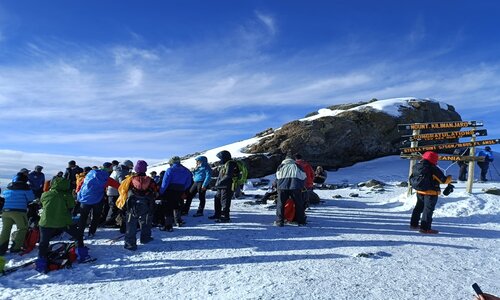
Reaching the summit Uhuru Peak is not just about the view; it’s about achieving something truly life-changing.
How Difficult Is Climbing Mount Kilimanjaro?
Climbing Mount Kilimanjaro is challenging, but achievable for most people with determination and proper preparation.
The main difficulty is altitude, not terrain. As you ascend, oxygen levels decrease, making it harder for your body to adapt.
Typical challenges include:
- Long hiking days (5–8 hours)
- Cold temperatures near the summit
- Physical and mental fatigue
However, by choosing the right route and climbing slowly (“pole pole”), your chances of success increase significantly.
Best Time to Climb Mount Kilimanjaro
The best time to climb Mount Kilimanjaro is during the dry seasons:
- January to early March (quiet, cooler conditions)
- June to October (most popular, stable weather)
These months offer clear skies, better trail conditions, and safer summit attempts.
For a detailed month-by-month breakdown, you can explore our guide on the best time to climb Mount Kilimanjaro to plan your trip perfectly.
Kilimanjaro Routes Compared (IMPORTANT)
Choosing the right route is one of the most important decisions.
| Route | Days | Level | Success | Views | Best For |
|---|---|---|---|---|---|
| Lemosho | 7–8 | Moderate | High | Excellent | Beginners |
| Machame | 6–7 | Moderate | High | Very Good | Popular Choice |
| Marangu | 5–6 | Moderate | Medium | Good | Hut Stays |
| Northern | 8–9 | Moderate | Very High | Excellent | Best Success |
| Umbwe | 5–6 | Hard | Low | Good | Experienced |
Longer routes like Lemosho and Northern Circuit provide better acclimatization and higher summit success rates.
How Much Does It Cost to Climb Mount Kilimanjaro
Climbing Kilimanjaro typically costs between $1,800 and $6,000 depending on the route, duration, and level of service.
The cost includes:
- National park fees
- Professional guides and porters
- Meals and camping equipment
- Safety gear and logistics
For a full breakdown of pricing and what is included, visit our detailed guide on Kilimanjaro price and cost.
Kilimanjaro Success Rates by Route
Success rates vary depending on the route and number of days:
- 5–6 day routes: 50–65%
- 7–8 day routes: 80–90%
- Northern Circuit: up to 95%
The key to success is proper acclimatization. This is why Hike Kilimanjaro focuses on longer itineraries and experienced guides to maximize your chances of reaching the summit.
Key Challenges:
- High altitude (low oxygen levels)
- Long trekking days (5–8 hours daily)
- Cold temperatures near the summit
- Mental endurance
How to Prepare for Kilimanjaro
Preparation is essential for a successful climb.
You should focus on:
- Cardio training (walking, hiking, running)
- Endurance building
- Mental preparation
Climbing slowly and staying hydrated are just as important as physical fitness.
Many climbers improve their preparation by joining structured Kilimanjaro group tours, which provide guidance and support throughout the journey.
Do You Need Oxygen to Climb Mount Kilimanjaro?
No, you do not need supplemental oxygen to climb Kilimanjaro.
At the summit, oxygen levels are about 50% of sea level, but your body can adapt naturally if you ascend gradually.
At Hike Kilimanjaro, we prioritize safety by including:
- Daily health monitoring
- Professional mountain guides
- Emergency oxygen (for safety, not routine use)
What to Pack for Kilimanjaro
Having the right gear is critical due to changing weather conditions.
Essential items include:
- Warm layered clothing
- Waterproof jacket
- Hiking boots
- Sleeping bag
- Headlamp
To make sure you don’t miss anything important, follow our complete Kilimanjaro packing list designed for high-altitude trekking.
Altitude Sickness & Safety
Altitude sickness is the biggest risk when climbing Kilimanjaro.
Common symptoms include:
- Headache
- Nausea
- Fatigue
Prevention tips:
- Climb slowly (“pole pole”)
- Drink plenty of water
- Choose longer routes
At Hike Kilimanjaro, safety is our top priority. Our guides monitor your health daily and carry emergency equipment to ensure a safe climb.
Detailed Kilimanjaro Itinerary Example (7 Days)
Day 1: Arrival in Tanzania
Arrive and transfer to your hotel. Meet your guides for a briefing and gear check.
Day 2: Start Trek – Rainforest
Begin your climb through lush forest, rich with wildlife and vegetation. 5–6 hours of hiking.
Day 3: Moorland Zone
The landscape opens up with stunning views and lower vegetation. Gradual altitude gain.
Day 4: Acclimatization Day
Short hikes to higher altitude and return to camp. This improves your chances of summit success.
Day 5: Alpine Desert
Dry, rocky terrain with dramatic scenery. Slower pace as altitude increases.
Day 6: Summit Night – Uhuru Peak
Start at midnight and climb to the summit at sunrise. The most challenging but rewarding day.
Day 7: Descent
Descend back to lower altitude and exit the park.
Why Choose Hike Kilimanjaro
Choosing the right operator can make or break your climb.
With Hike Kilimanjaro, you get:
- Experienced local guides
- High summit success rates
- Ethical treatment of porters
- Certified sustainable travel practices
- Personalized service
We are committed to helping every climber reach the summit safely and responsibly.
Extend Your Adventure in Tanzania
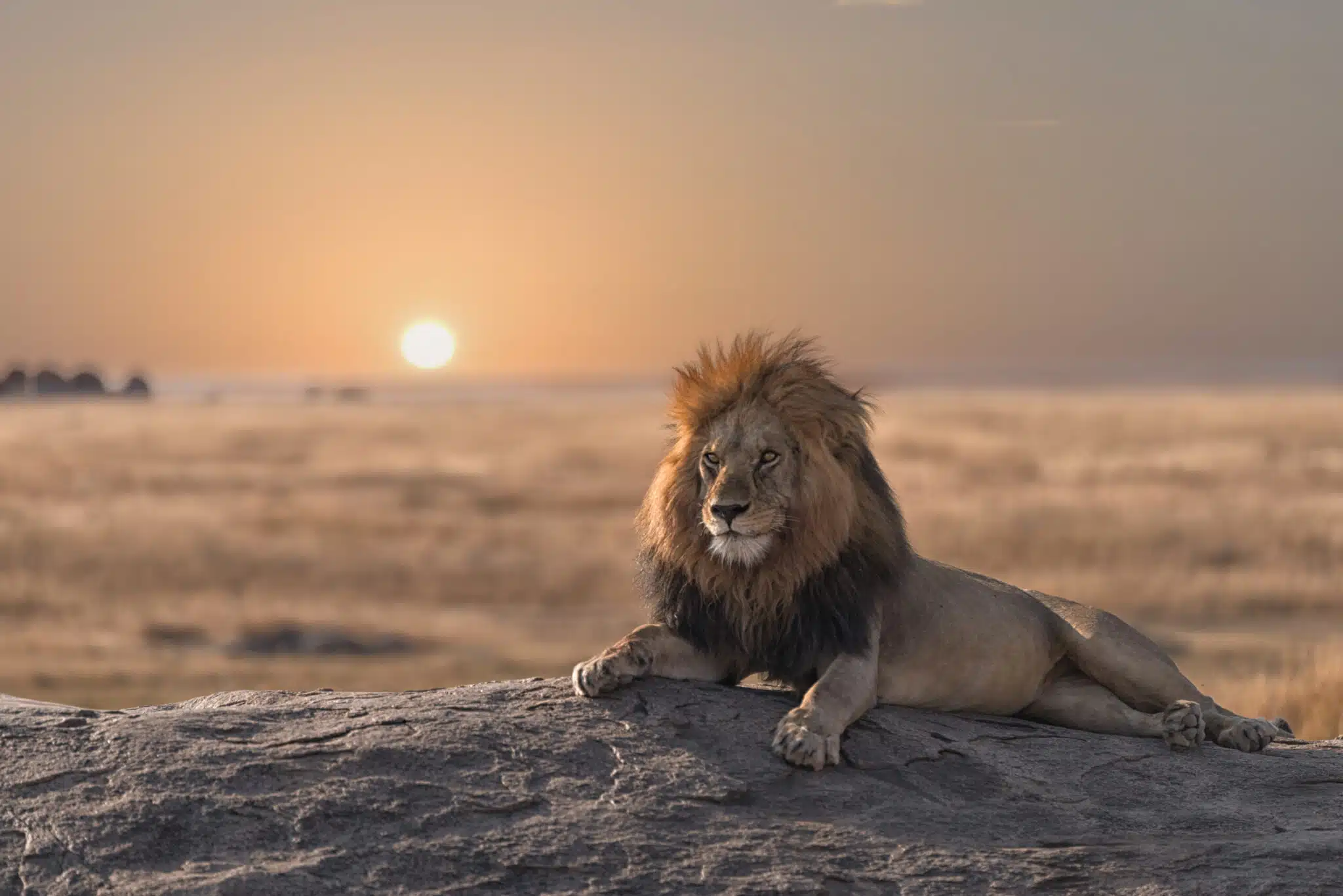
After conquering Mount Kilimanjaro, many travelers continue their journey with unforgettable wildlife experiences.
Our Tanzania safari packages take you to iconic destinations like Serengeti Tarangire and Ngorongoro, creating the perfect combination of adventure and relaxation.
Start Your Kilimanjaro Adventure Today
Climbing Mount Kilimanjaro is more than just a trek it’s a personal achievement, a challenge, and a once-in-a-lifetime experience.
With Hike Kilimanjaro, you’re not just booking a trip you’re joining a team dedicated to helping you succeed.
👉 Ready to reach the summit? Contact Hike Kilimanjaro today and start planning your adventure.
Frequently Asked Questions About Climbing Kilimanjaro
General Questions
What is the best way to climb Mount Kilimanjaro?
The best way to climb Mount Kilimanjaro is by choosing a longer route such as Lemosho or Machame and trekking with an experienced operator like Hike Kilimanjaro.
How difficult is climbing Kilimanjaro?
Climbing Mount Kilimanjaro is physically demanding mainly due to altitude, but it is achievable for people with moderate fitness.
Can beginners climb Mount Kilimanjaro?
Yes, beginners can successfully climb Mount Kilimanjaro with proper preparation and support from experienced guides.
Do I need technical climbing skills to climb Kilimanjaro?
No, climbing Kilimanjaro is a non-technical trek and does not require mountaineering experience.
How long does it take to climb Mount Kilimanjaro?
Most climbs take between 5 and 9 days, with 7 to 8 days recommended for better acclimatization.
Altitude & Safety
Do you need oxygen to climb Kilimanjaro?
No, supplemental oxygen is not required, but it is carried for emergencies.
How do you prevent altitude sickness on Kilimanjaro?
Climb slowly, stay hydrated, and choose longer routes to allow proper acclimatization.
What happens if I get altitude sickness on Kilimanjaro?
Guides will monitor your condition and may advise descending to a lower altitude for safety.
Is climbing Kilimanjaro safe?
Yes, it is generally safe when climbing with a professional and experienced company.
What is the death rate on Kilimanjaro?
The death rate is very low compared to other high-altitude mountains.
Routes
What is the best route to climb Kilimanjaro?
The Lemosho Route is widely considered the best due to its high success rate and scenic beauty.
Which Kilimanjaro route has the highest success rate?
The Northern Circuit Route has the highest success rate due to its excellent acclimatization profile.
What is the easiest route up Kilimanjaro?
The Marangu Route is considered easier in terms of terrain but has lower success rates.
What is the hardest route on Kilimanjaro?
The Umbwe Route is the steepest and most challenging route.
Which Kilimanjaro route is the most scenic?
The Lemosho and Machame Routes are considered the most scenic.
Cost & Booking
Why is climbing Kilimanjaro expensive?
Costs include park fees, guide wages, logistics, food, and safety equipment.
Is tipping required on Kilimanjaro?
Yes, tipping is standard and supports guides and porters.
When should I book my Kilimanjaro climb?
It is best to book 3 to 6 months in advance, especially for peak seasons.
Can I join a group climb on Kilimanjaro?
Yes, many climbers join organized group tours for support and affordability.
Preparation
How do I train for Kilimanjaro?
Focus on hiking, cardio workouts, and endurance training before your trip.
Do I need to be very fit to climb Kilimanjaro?
Moderate fitness is enough if you pace yourself properly.
What should I pack for Kilimanjaro?
You need warm clothing, hiking boots, a sleeping bag, and essential trekking gear.
Do I need a guide to climb Kilimanjaro?
Yes, guides are mandatory according to Tanzanian regulations.
How cold is Kilimanjaro?
Temperatures at the summit can drop to -20°C or lower.
Experience
What does summit night feel like on Kilimanjaro?
It is the most challenging part of the climb, but reaching the summit is incredibly rewarding.
Is climbing Kilimanjaro worth it?
Yes, it is a life-changing adventure and one of the greatest trekking achievements.
What is the success rate of climbing Kilimanjaro?
Success rates range from 50% to 95% depending on the route and duration.
How many people climb Kilimanjaro each year?
More than 40,000 people attempt the climb annually.
What wildlife can I see on Kilimanjaro?
You may see monkeys, birds, and small mammals in the lower forest areas.
Logistics
Where is Mount Kilimanjaro located?
Mount Kilimanjaro is located in northern Tanzania, East Africa.
What airport do I fly into for Kilimanjaro?
You should fly into Kilimanjaro International Airport (JRO).
Do I need a visa for Tanzania?
Most travelers require a visa, which can often be obtained on arrival.
What currency is used in Tanzania?
The Tanzanian Shilling is used locally, but US dollars are widely accepted.
Can I combine Kilimanjaro with a safari?
Yes, many travelers combine their climb with a safari experience.
Advanced Questions
What is the fastest time to climb Kilimanjaro?
The fastest recorded ascent is under 24 hours, but this is not recommended.
Can children climb Mount Kilimanjaro?
Yes, children aged 10 and above can climb if accompanied by their parents.
Can I climb Mount Kilimanjaro solo?
No, climbing without a guide is not allowed.
Is travel insurance required for Kilimanjaro?
Yes, insurance that covers high-altitude trekking is highly recommended.
What is the summit of Kilimanjaro called?
The summit is called Uhuru Peak.
Why Choose Hike Kilimanjaro
Why choose Hike Kilimanjaro for climbing Kilimanjaro?
We offer experienced guides, high success rates, and a strong focus on safety and sustainability.
What makes Hike Kilimanjaro different?
We provide personalized service, ethical trekking practices, and local expertise.
Do you provide private Kilimanjaro climbs?
Yes, we offer private climbs tailored to your schedule and preferences
What support do guides provide on Kilimanjaro?
Guides monitor your health, ensure safety, and provide motivation throughout the climb.
How do I book a Kilimanjaro climb?
You can book directly through Hike Kilimanjaro by contacting us via our website.